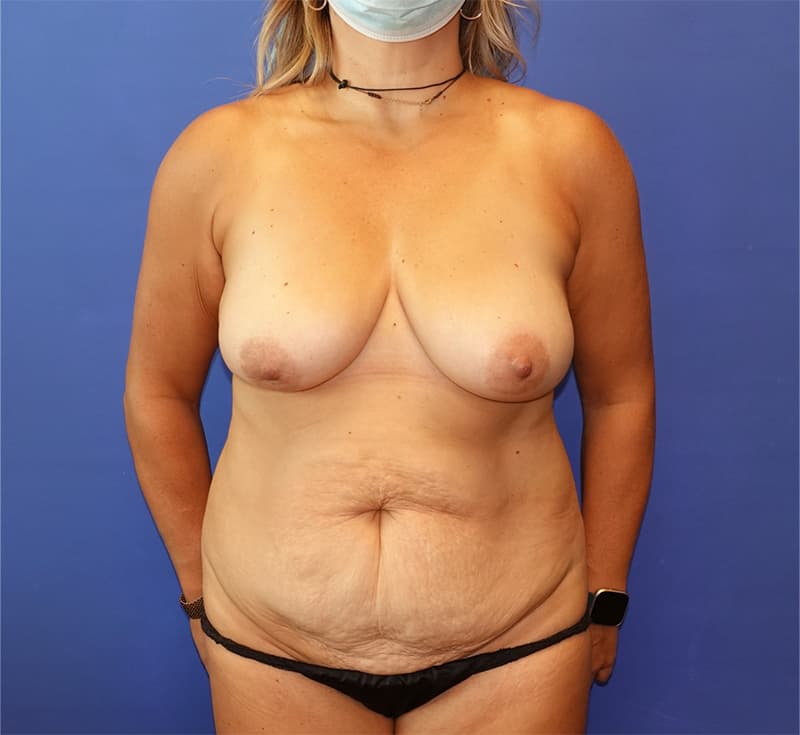
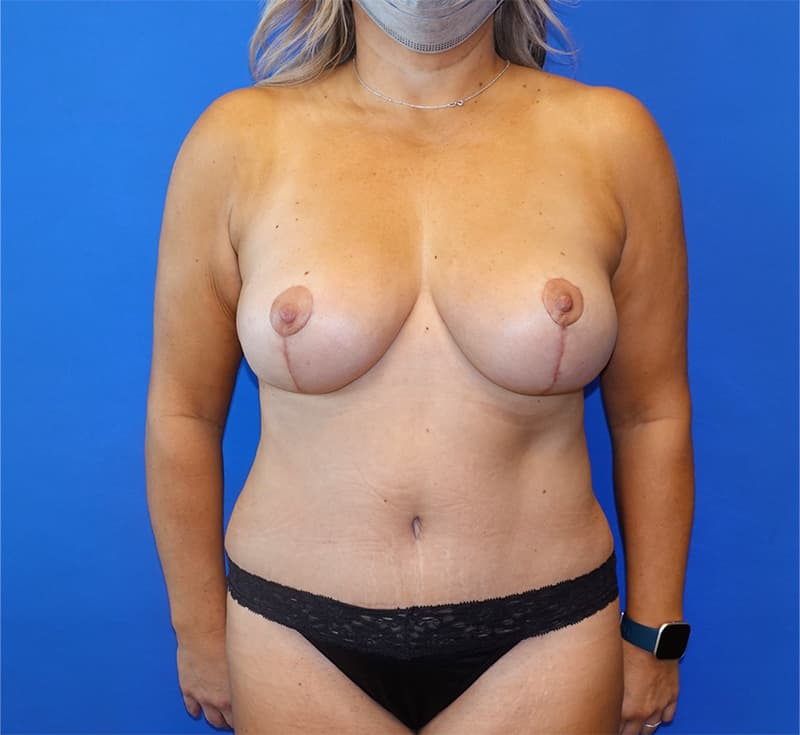
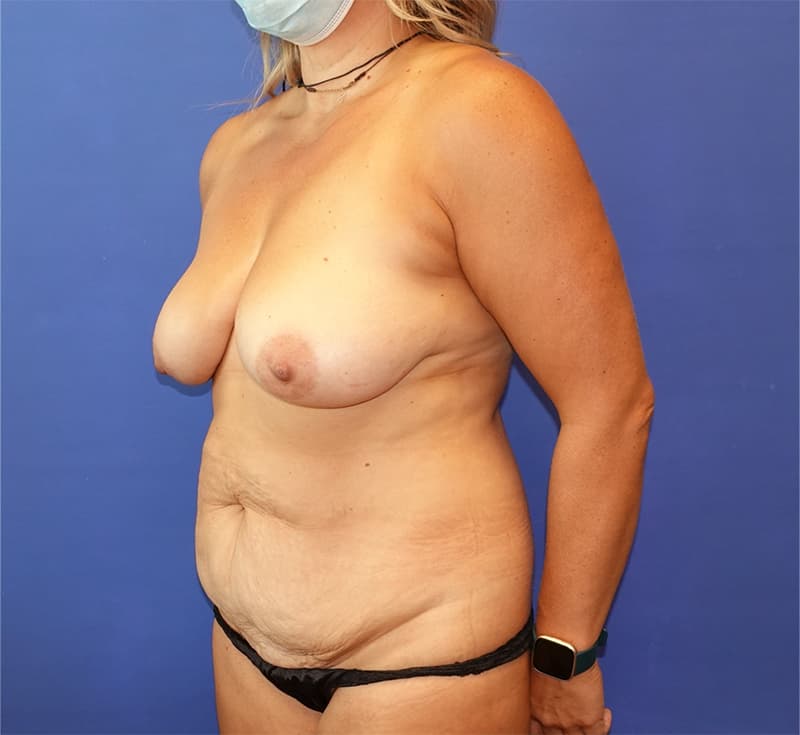
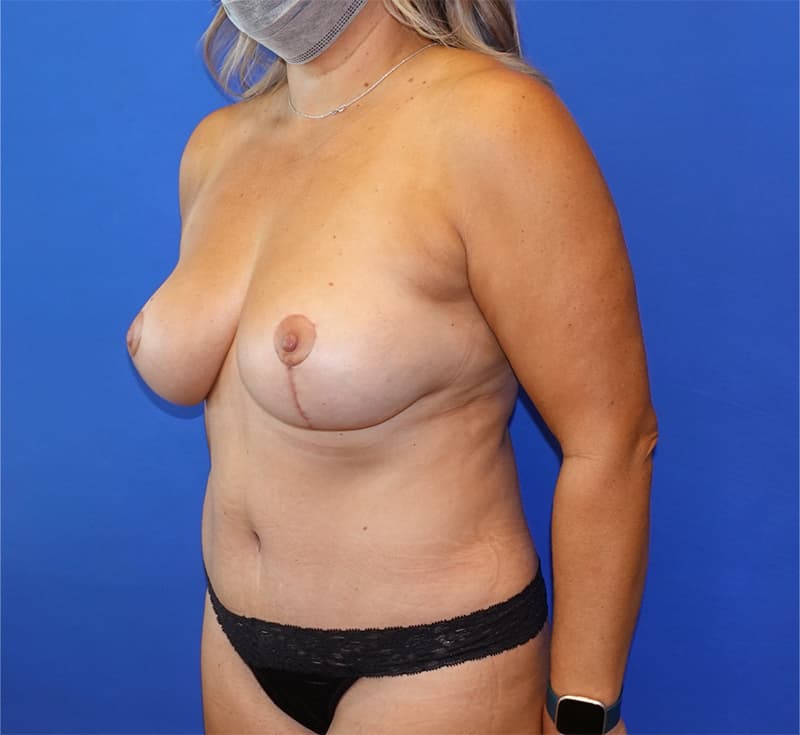
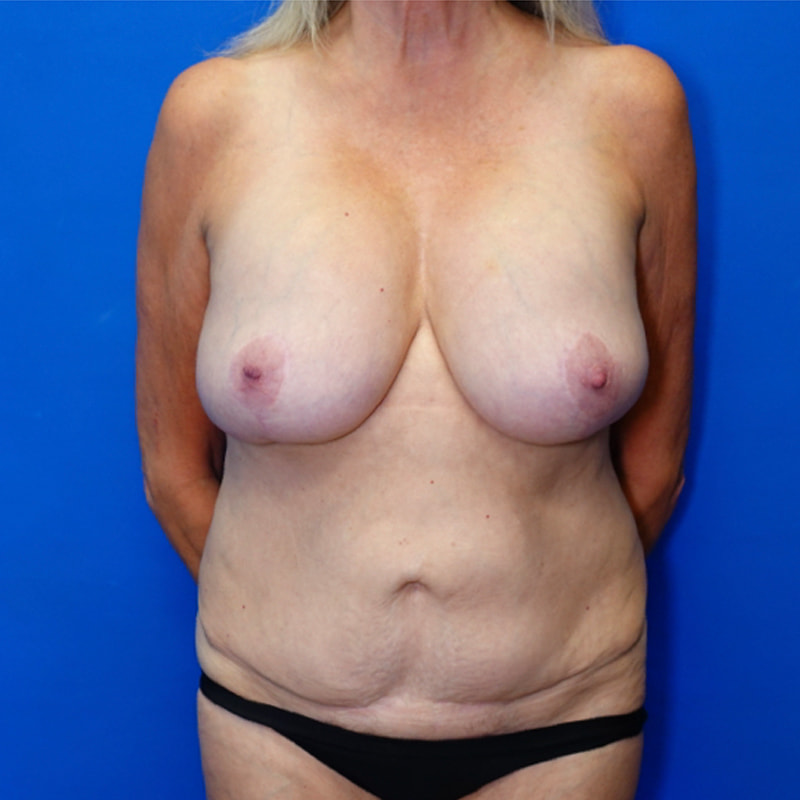
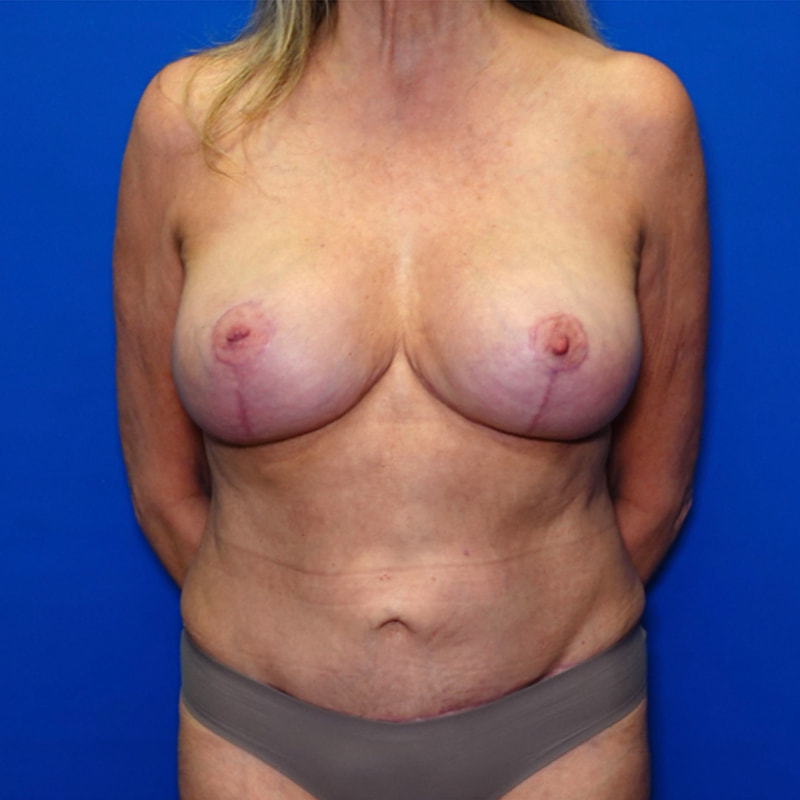
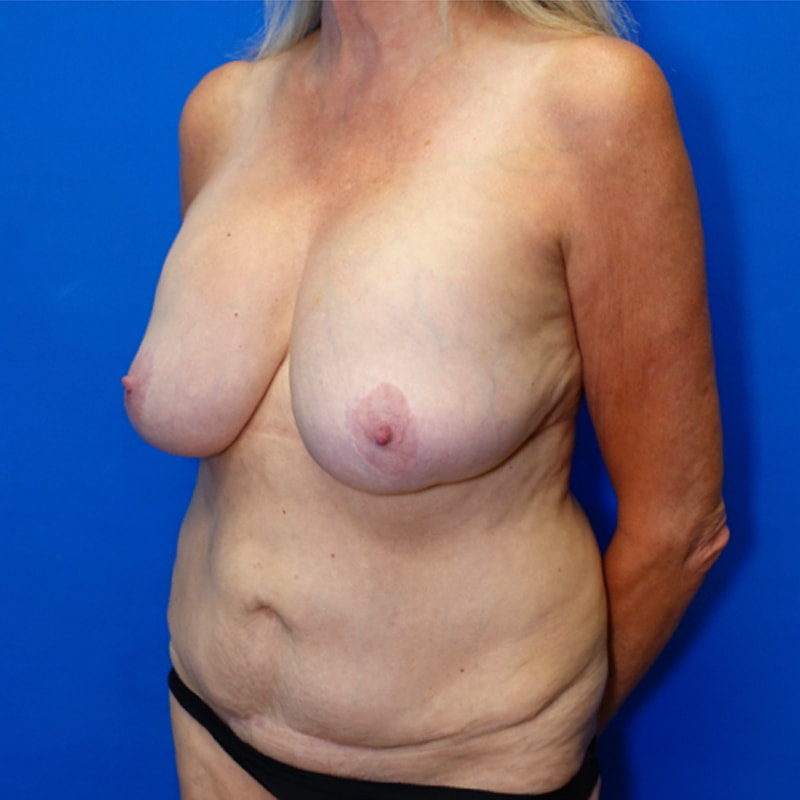
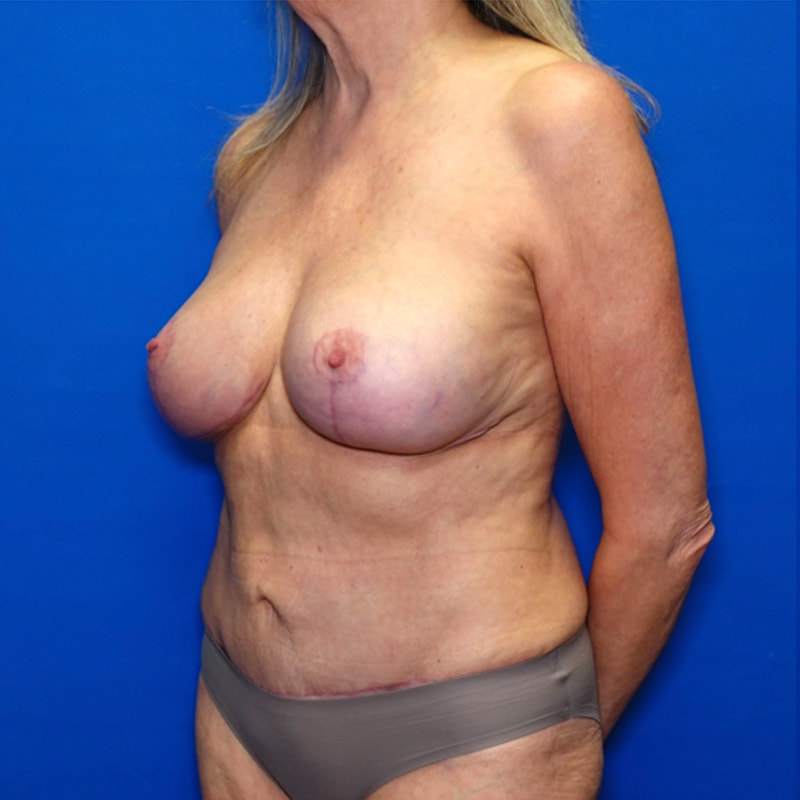
Breast Lift Seattle

A More Youthful, Perky Contour
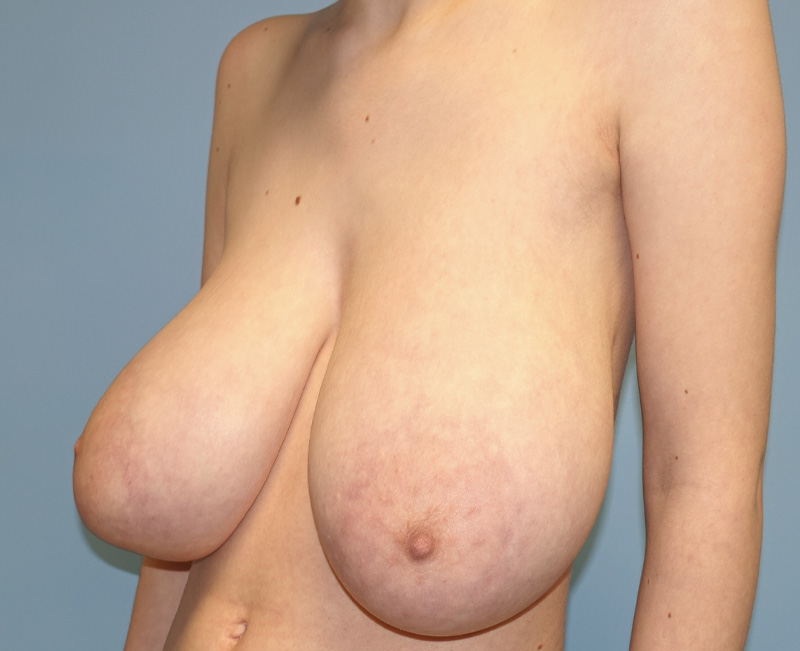
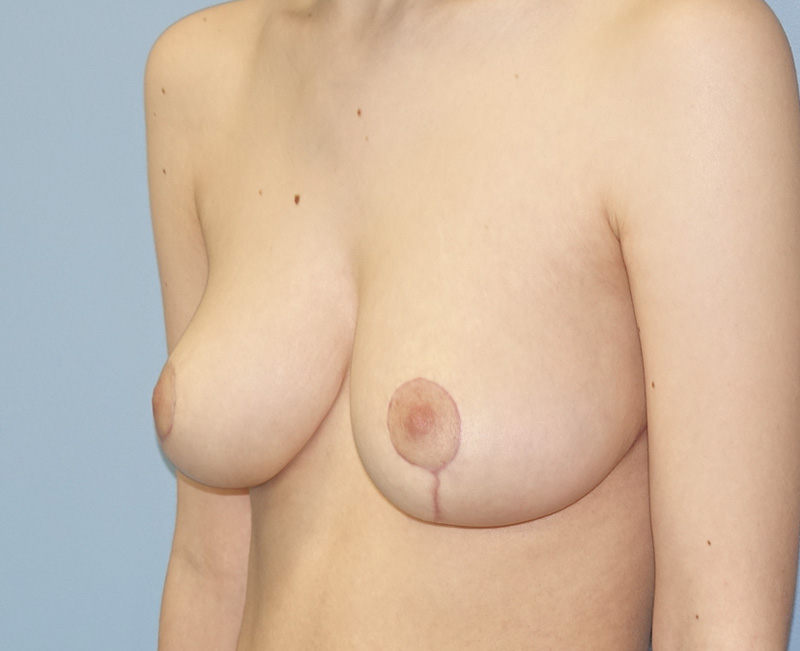
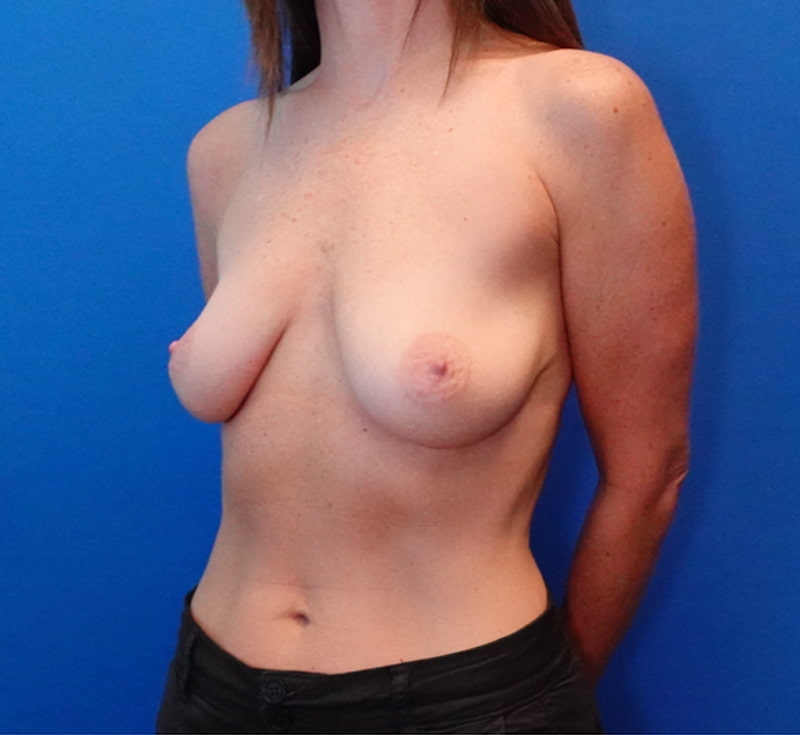
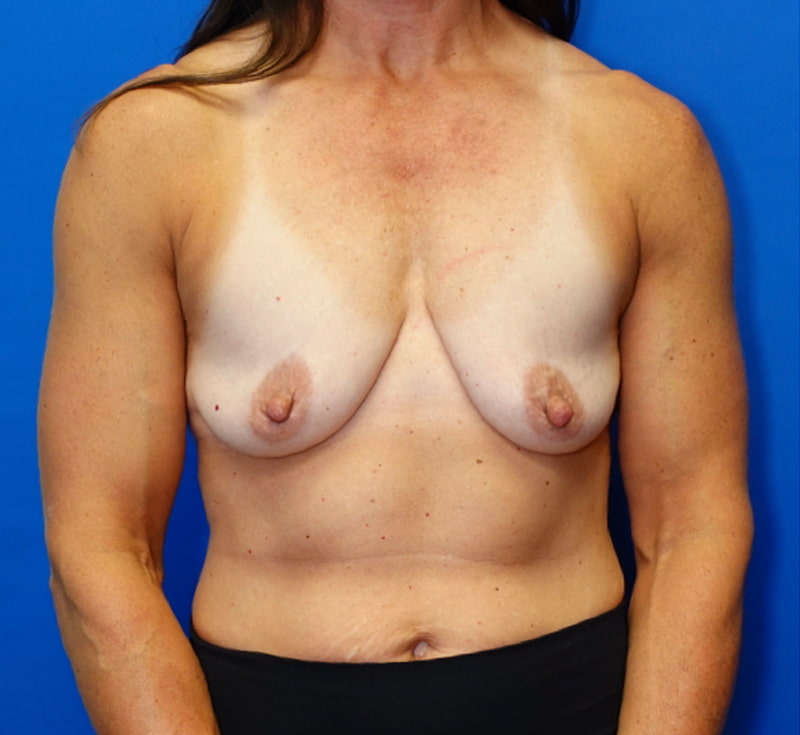
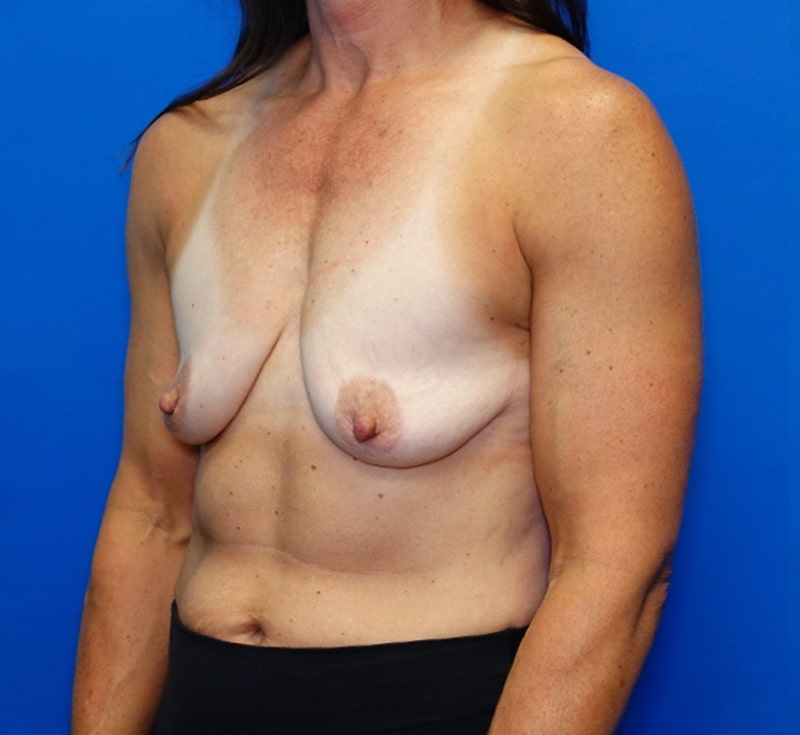
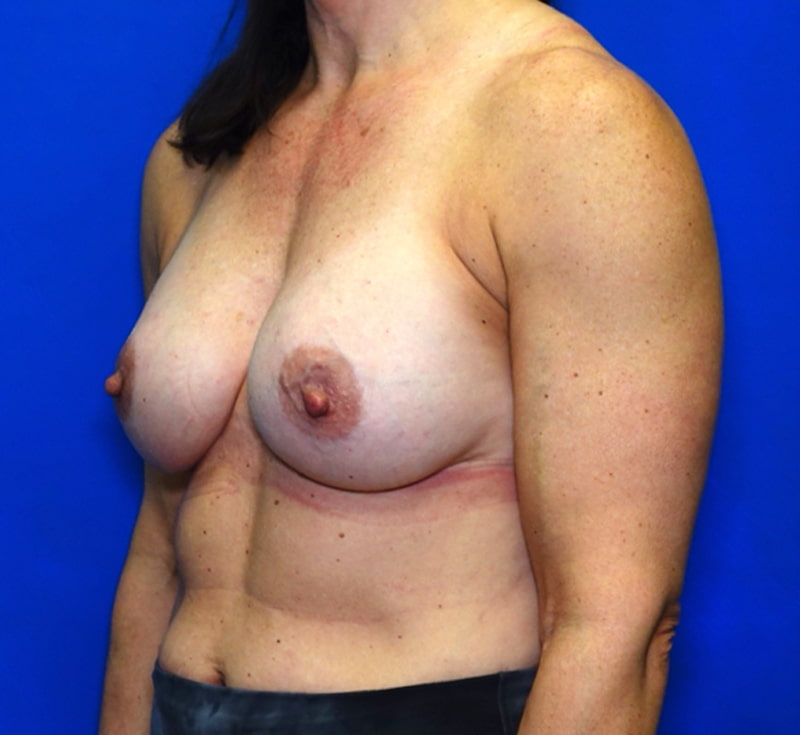
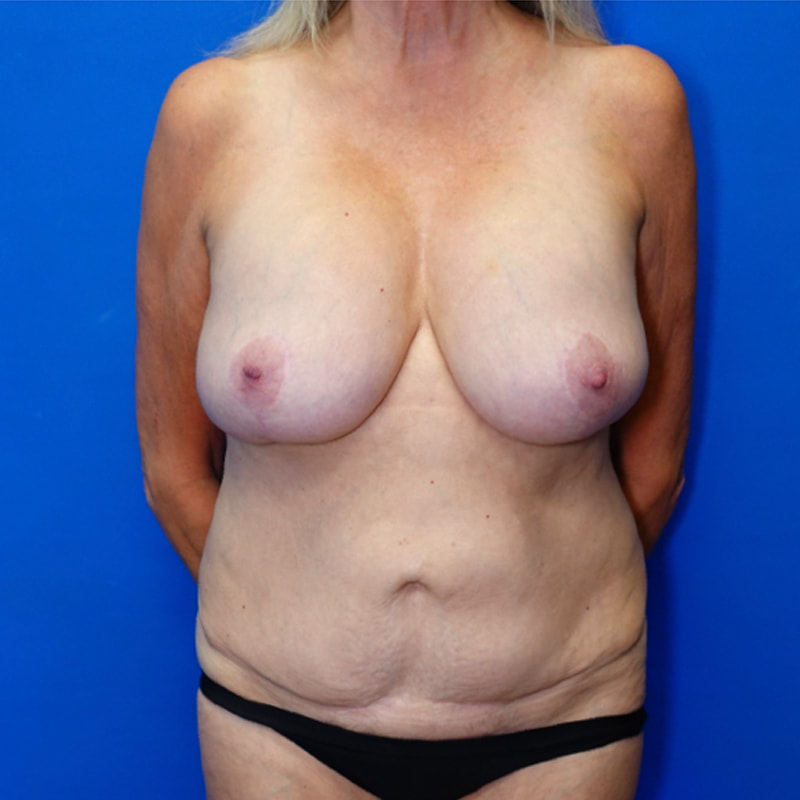
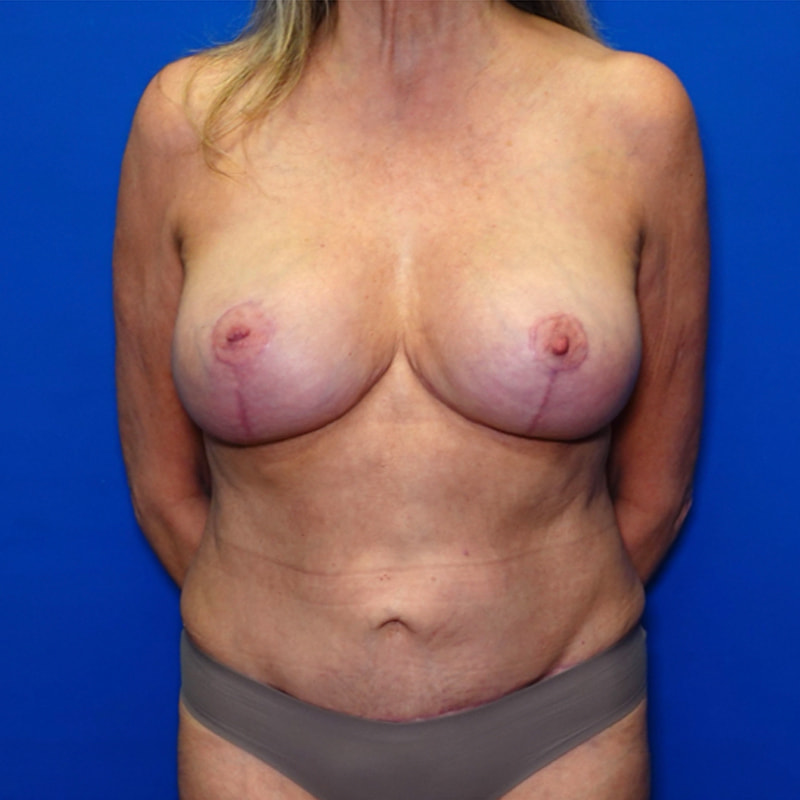
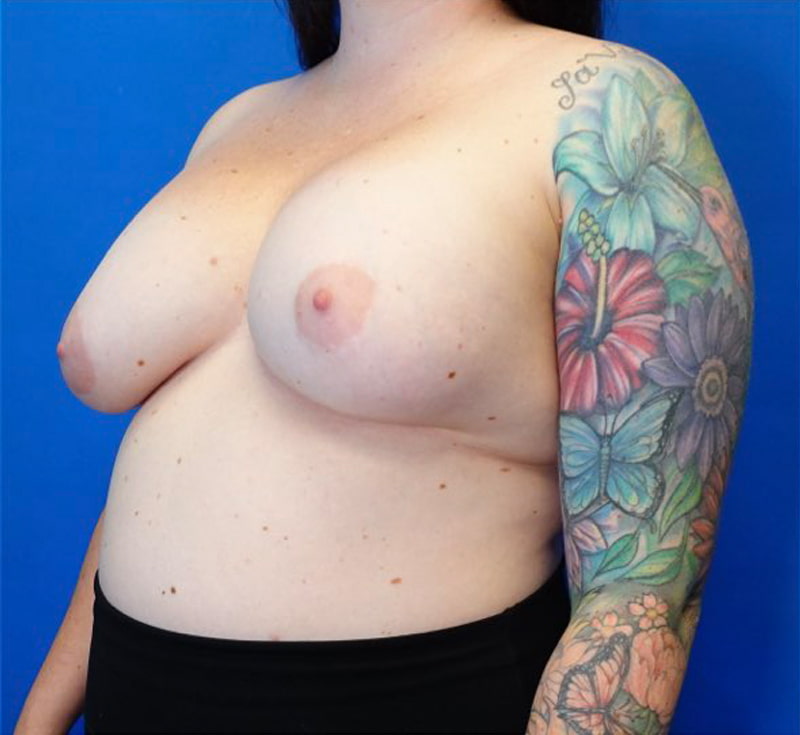
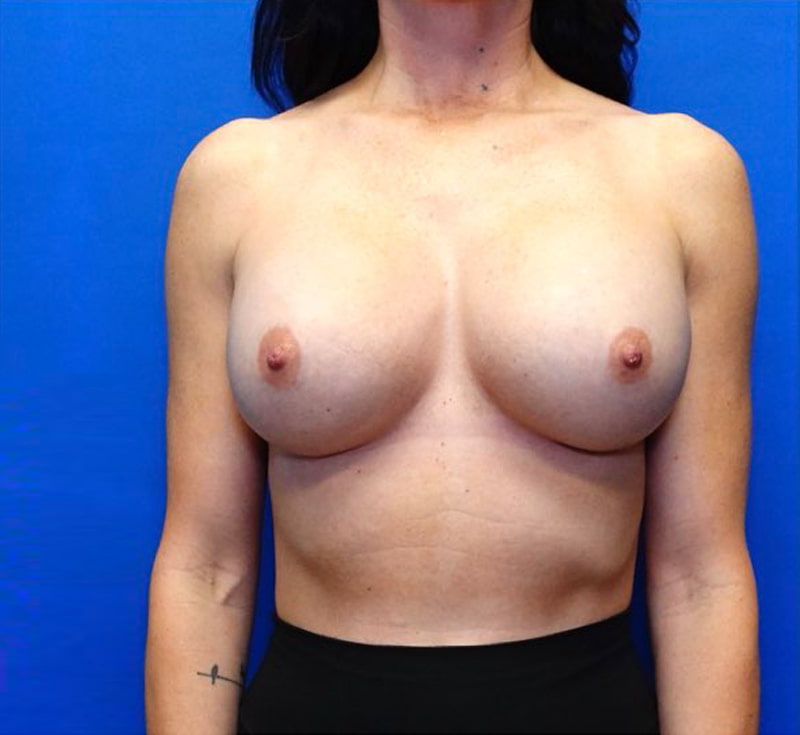
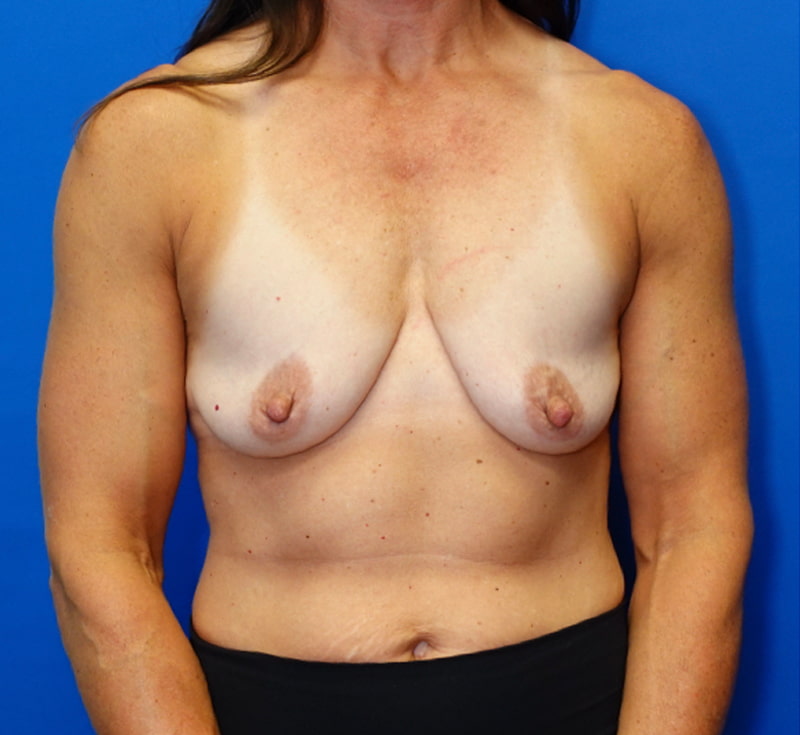
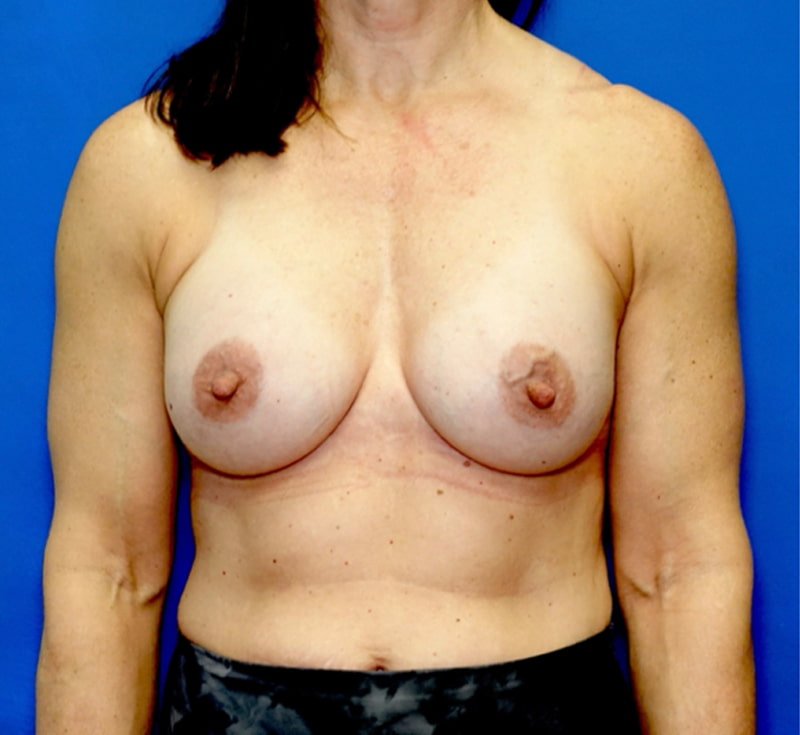
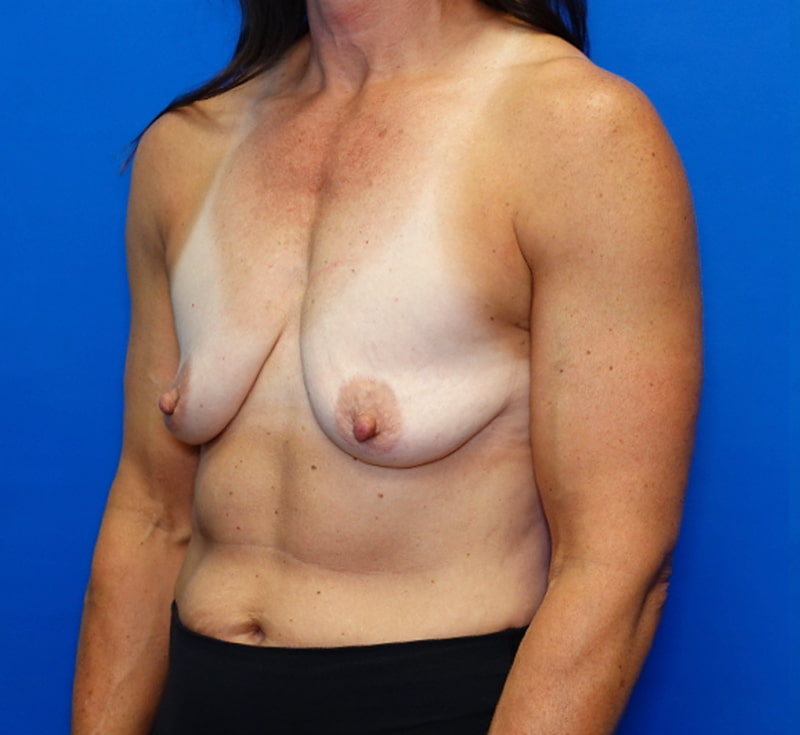
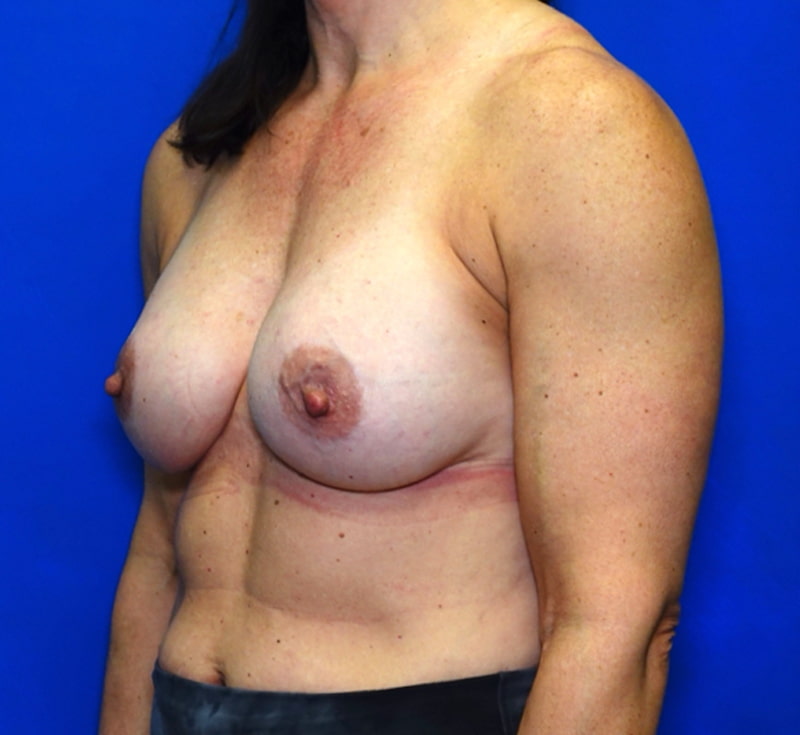
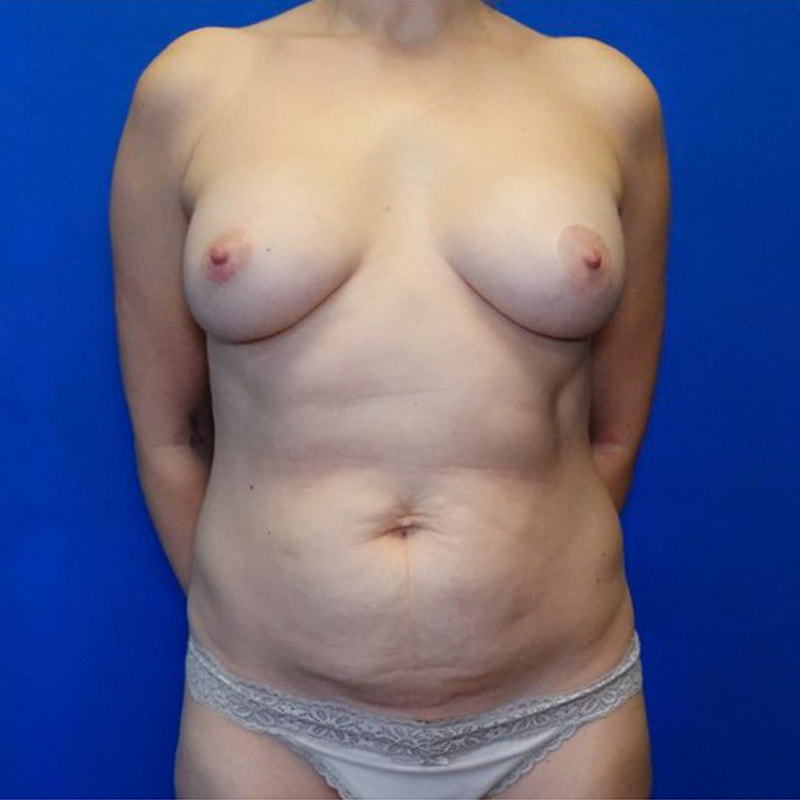
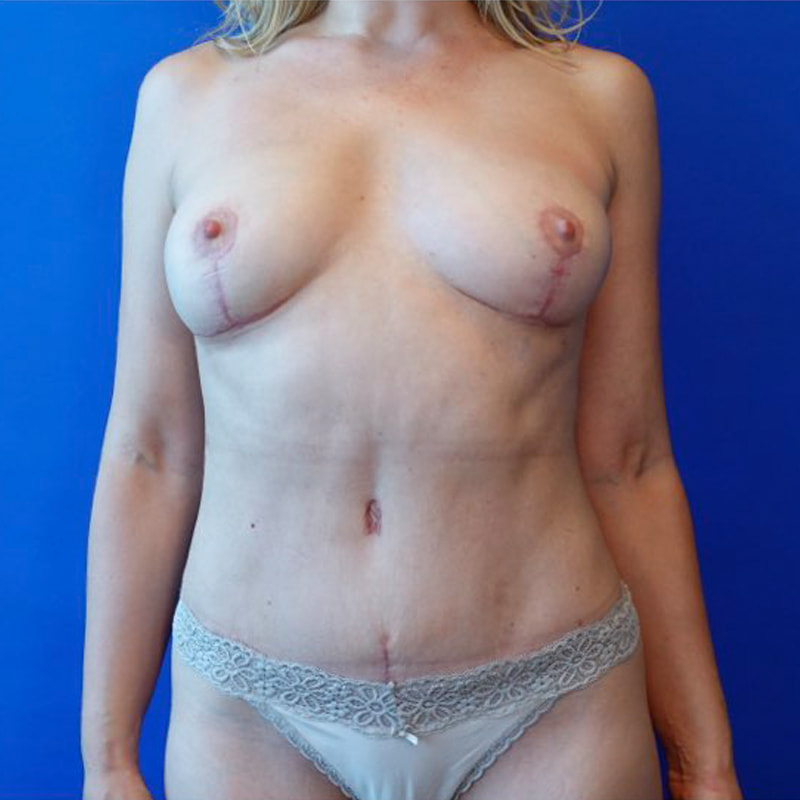
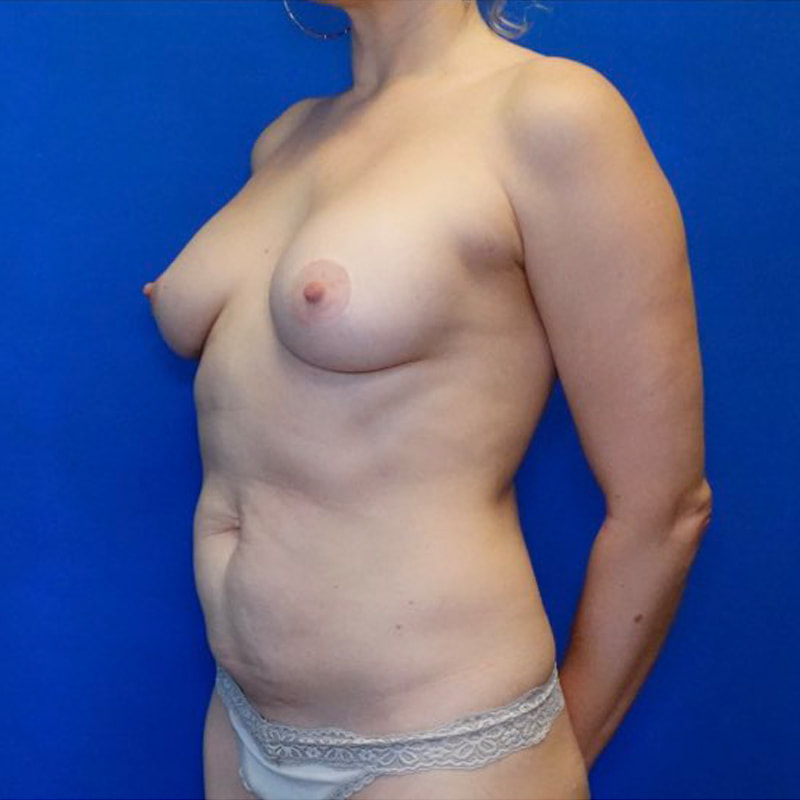
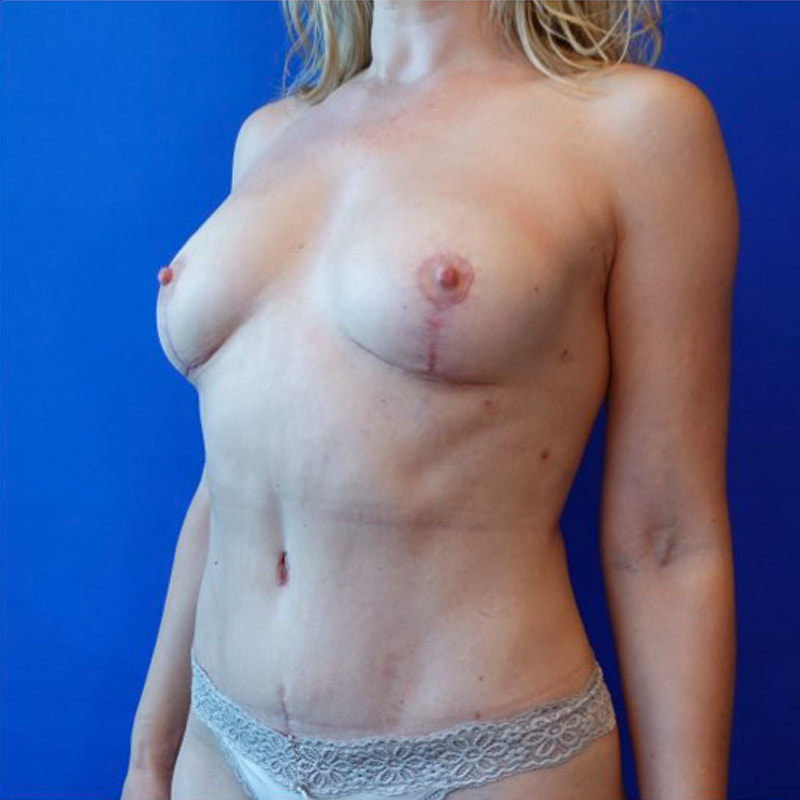
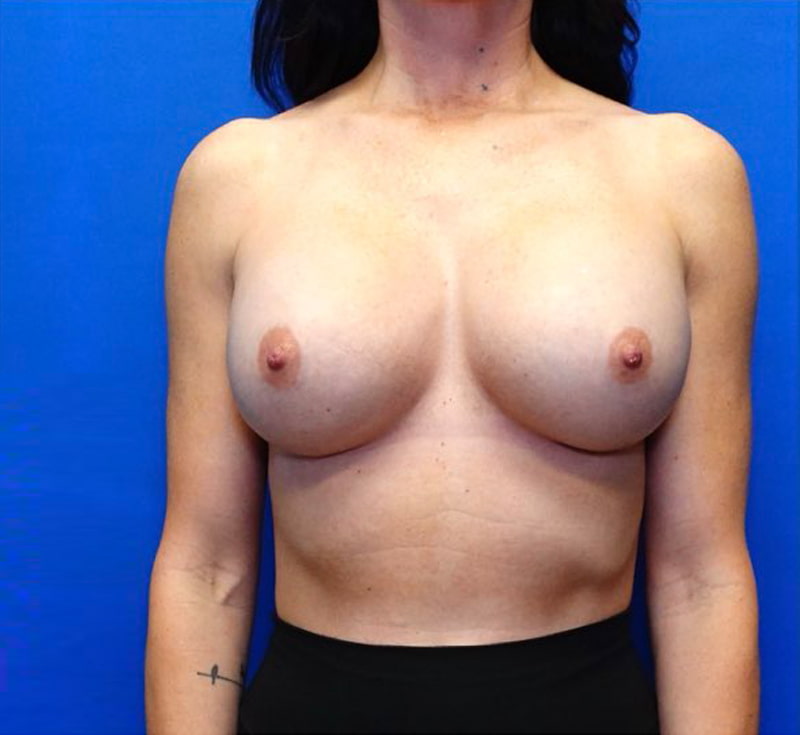
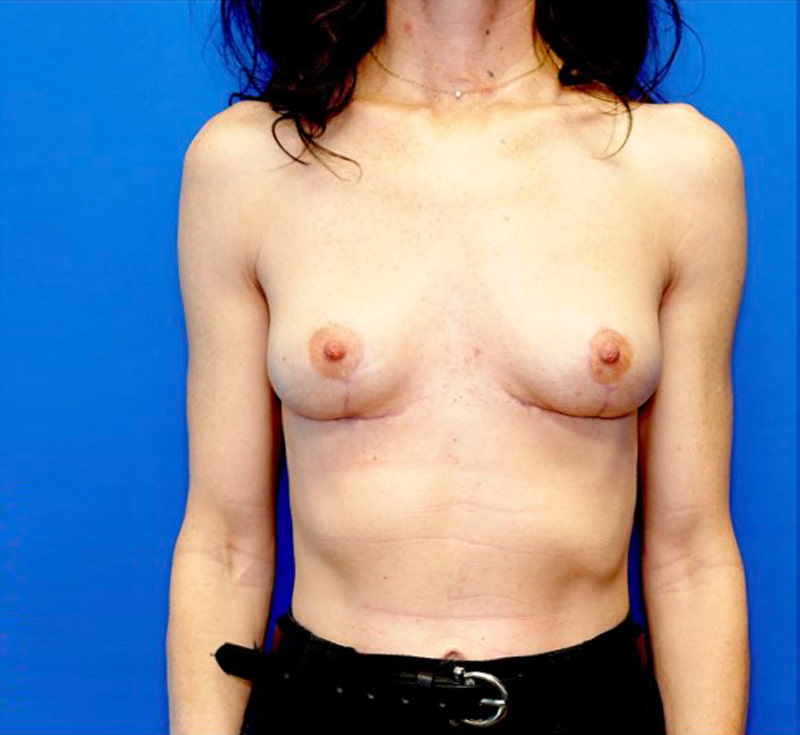
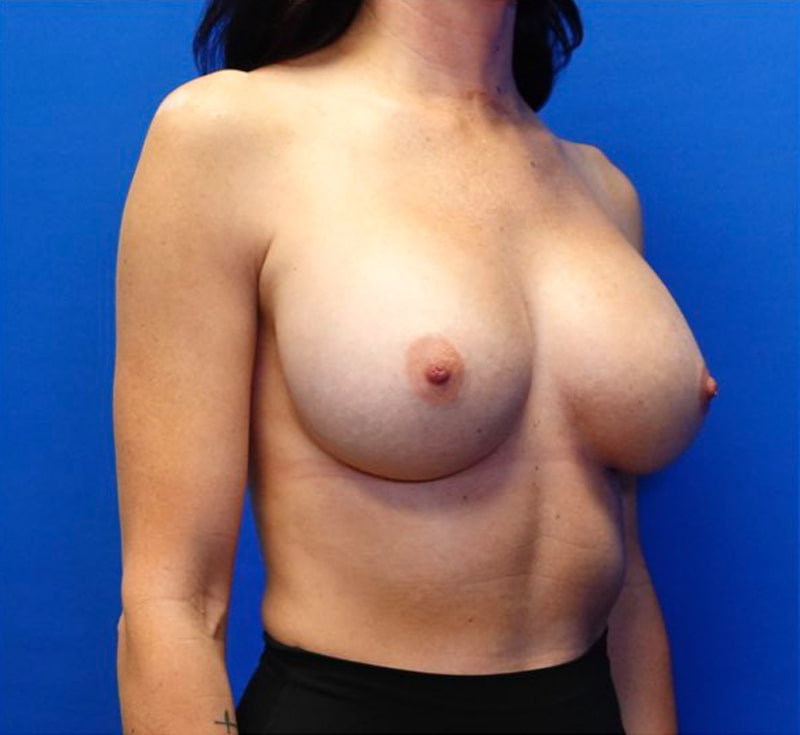
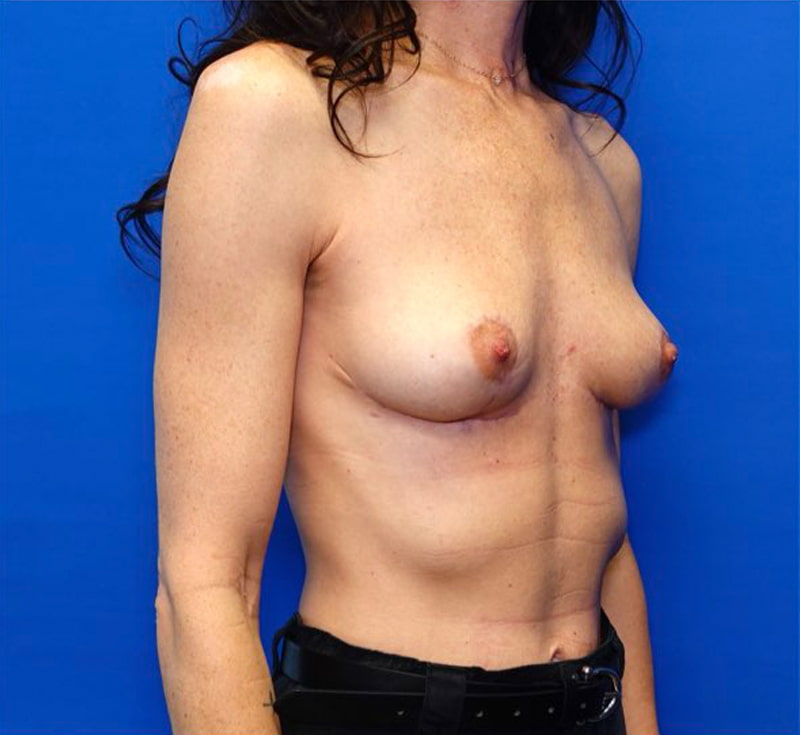
Many women come in thinking they need implants when what they really want is for their breasts to sit higher and have a better shape. Others still like their breast size but feel that pregnancy or weight loss has left their skin stretched and the nipples sitting lower than before. A breast lift is designed for those changes. Rather than just adding volume, Dr. Hakim Said reshapes and repositions the existing breast tissue to create a firmer, more lifted contour that fits your proportions.






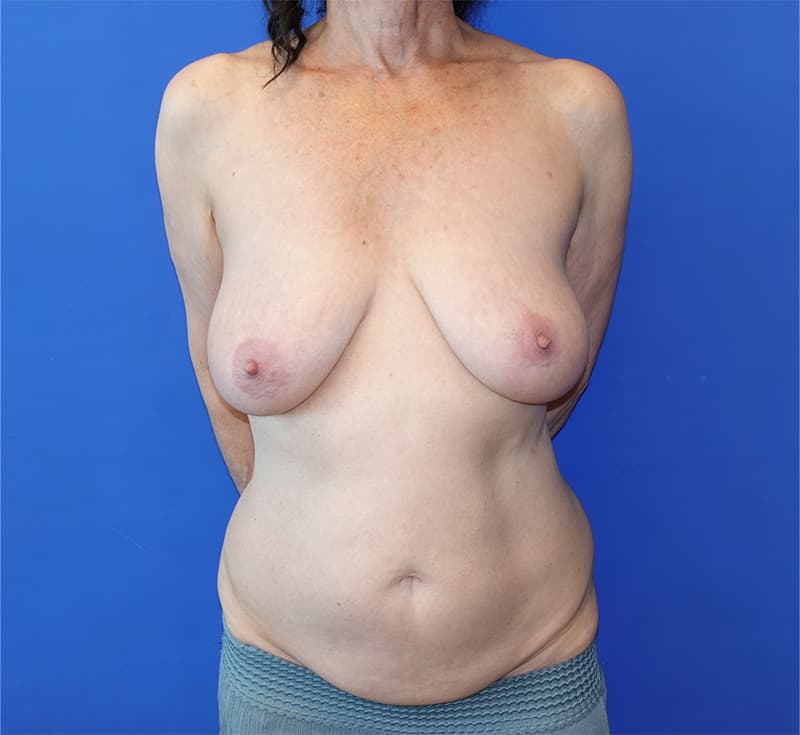
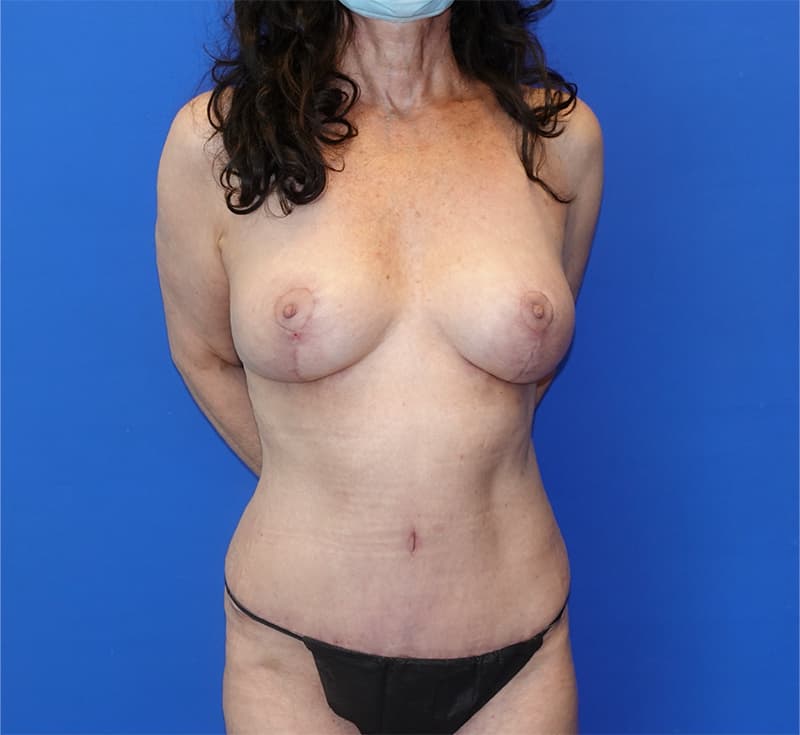
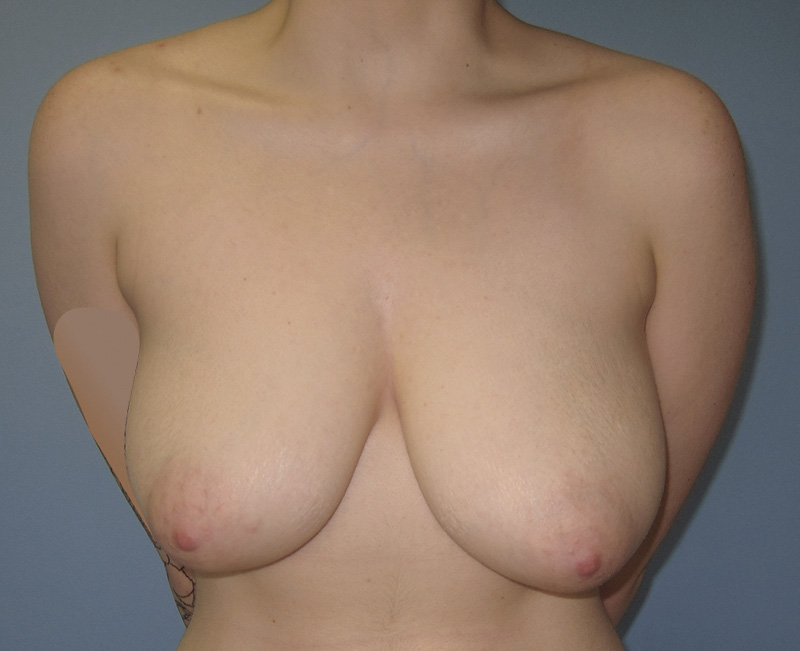
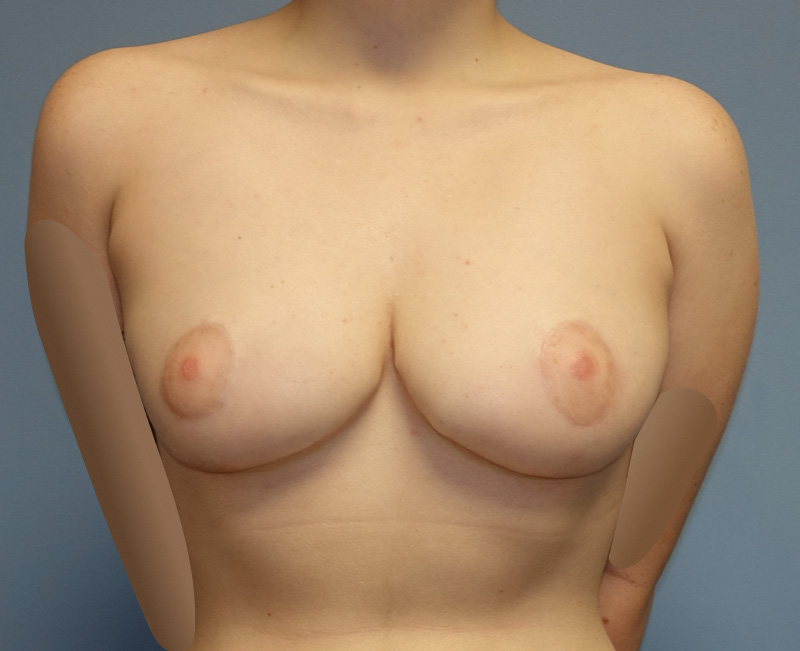
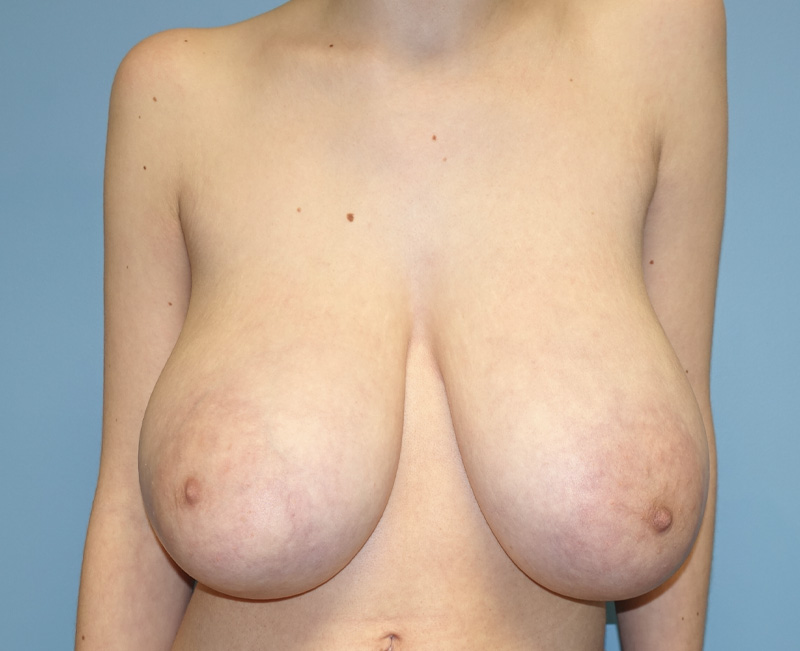
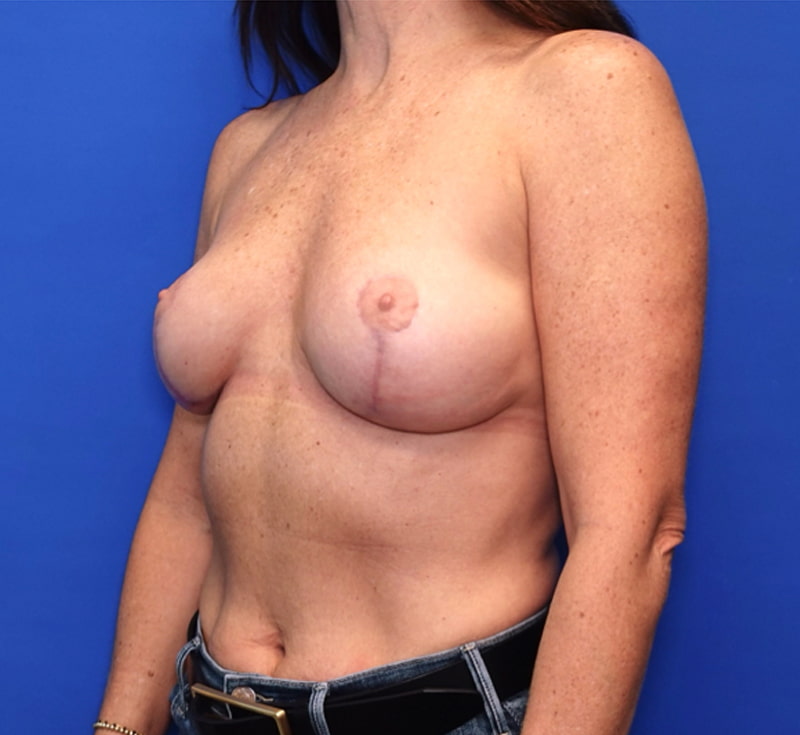
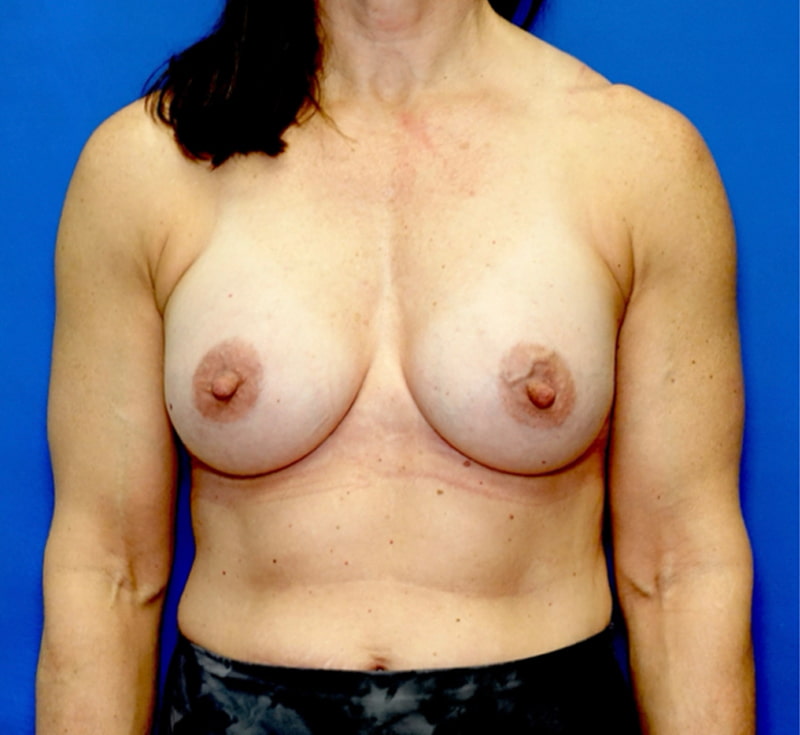
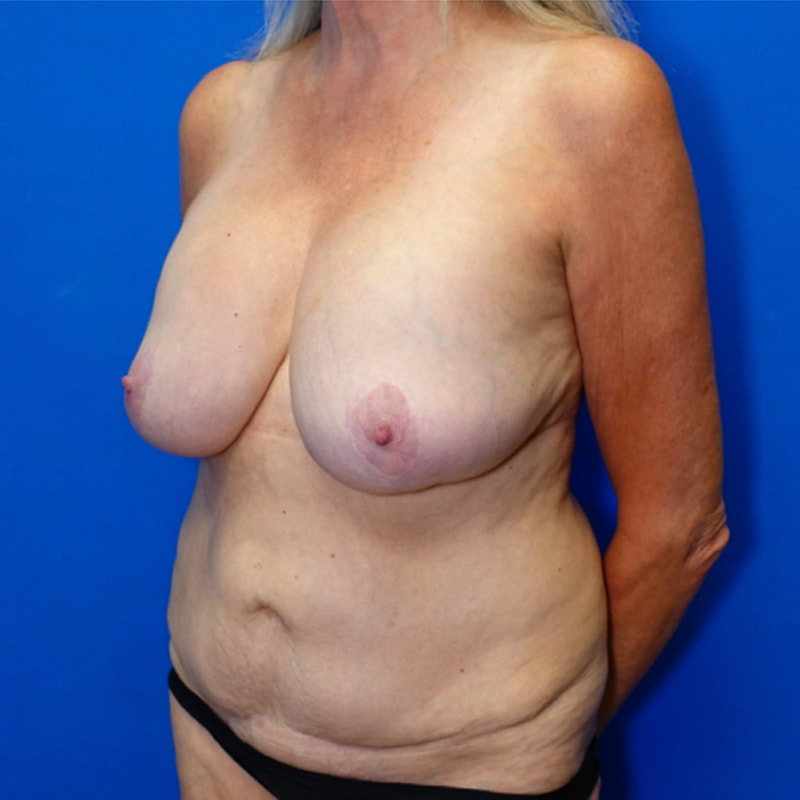
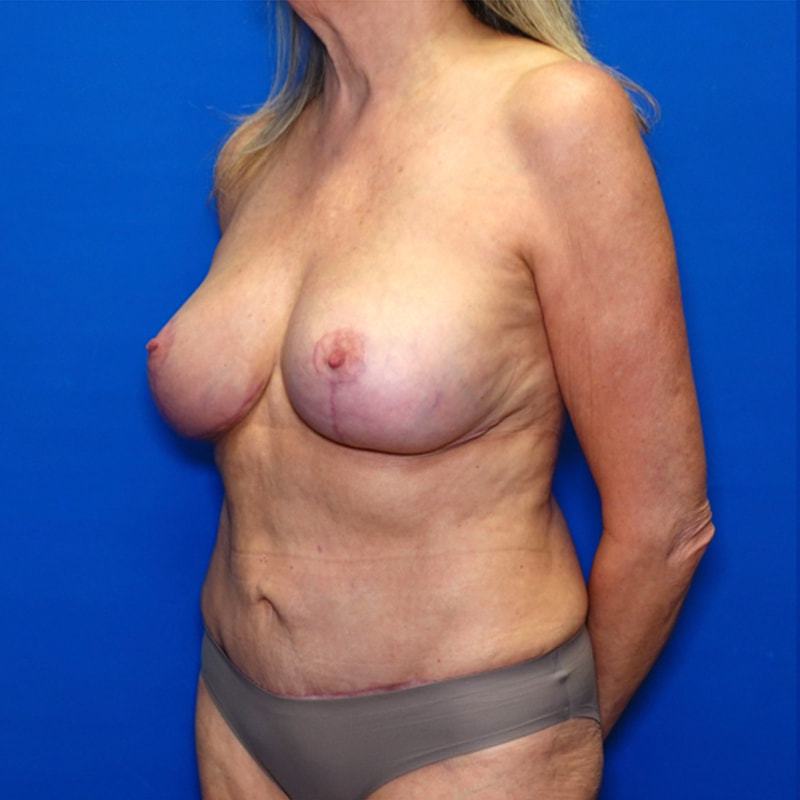
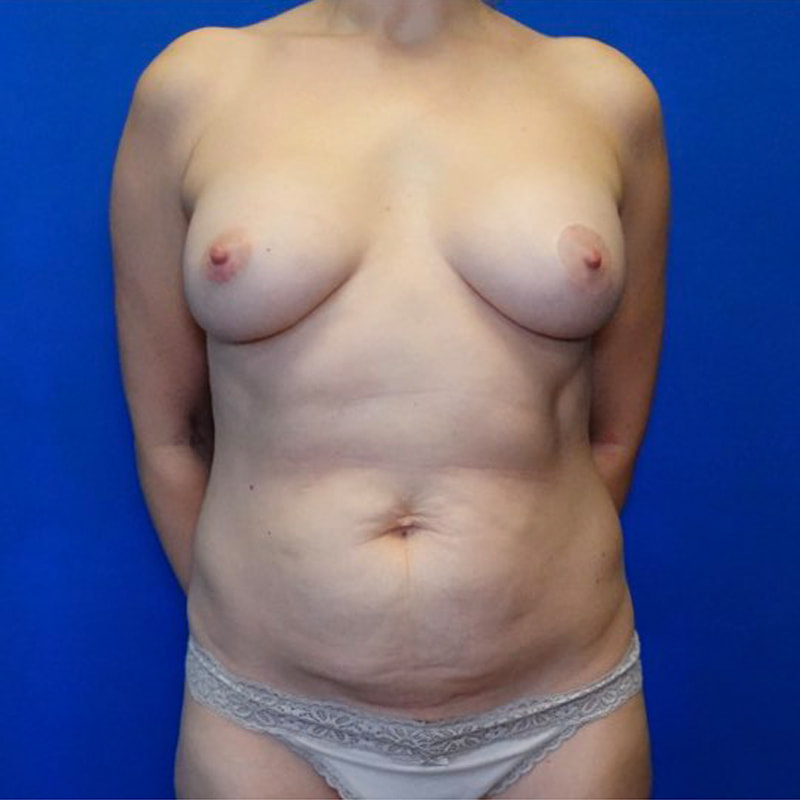
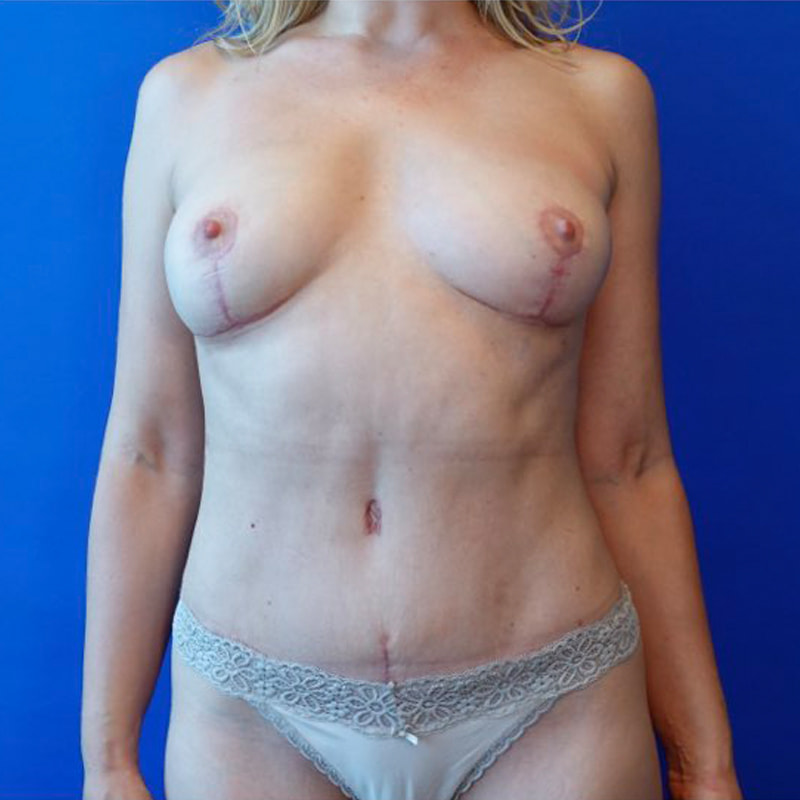
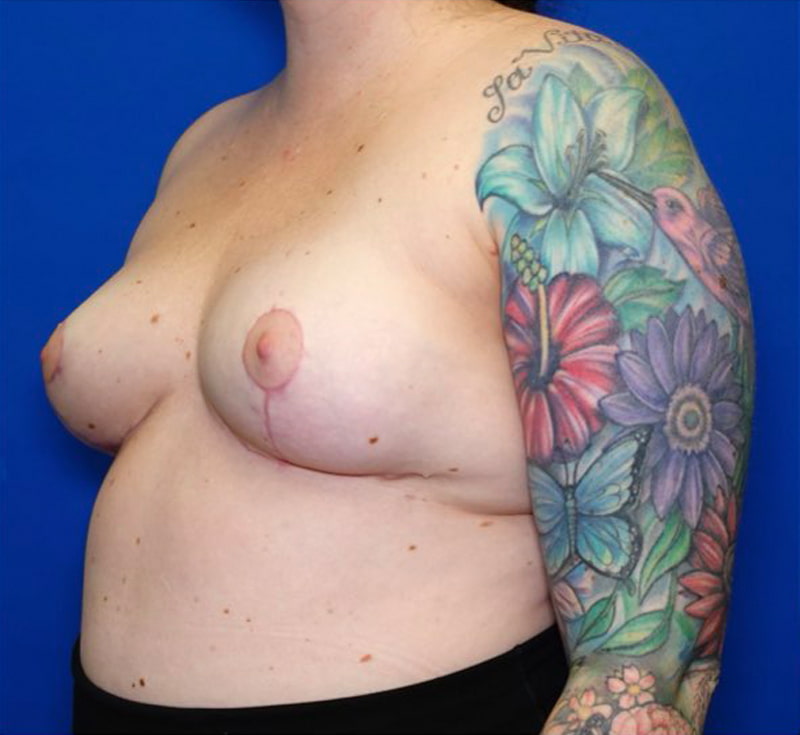
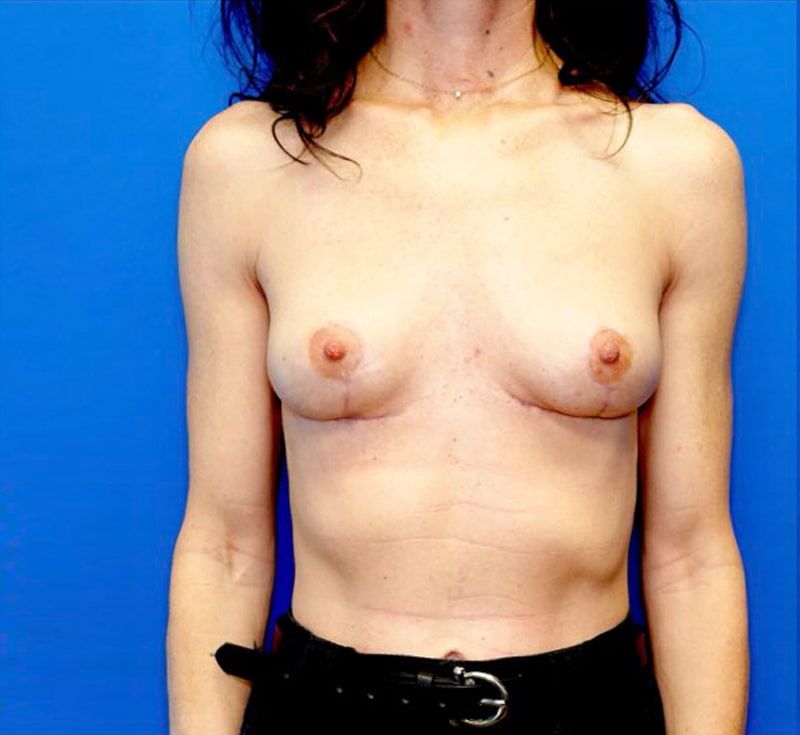
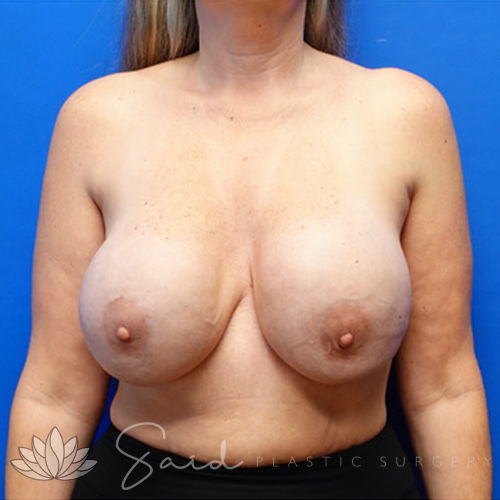
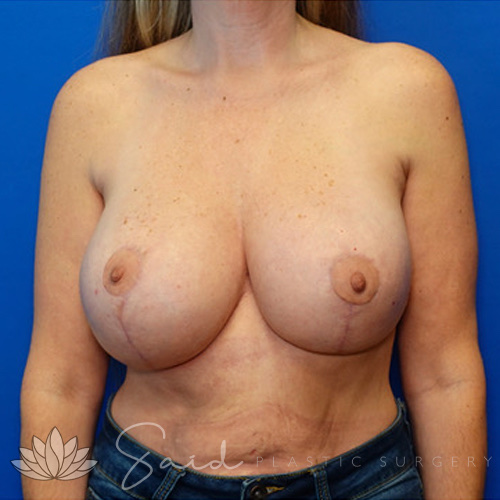
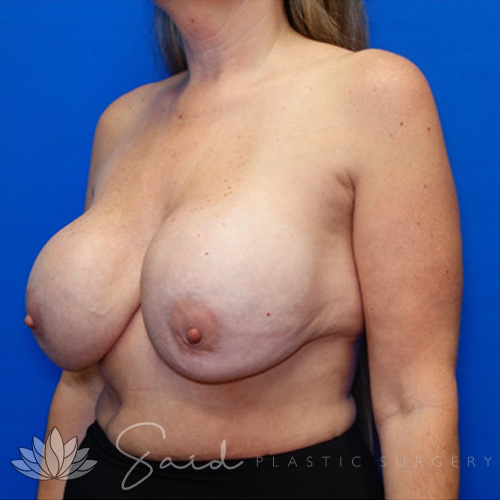
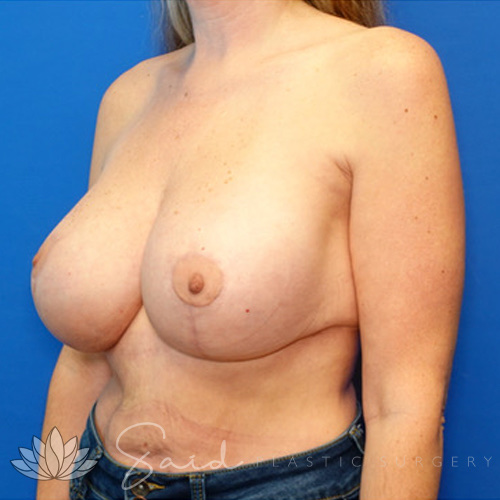
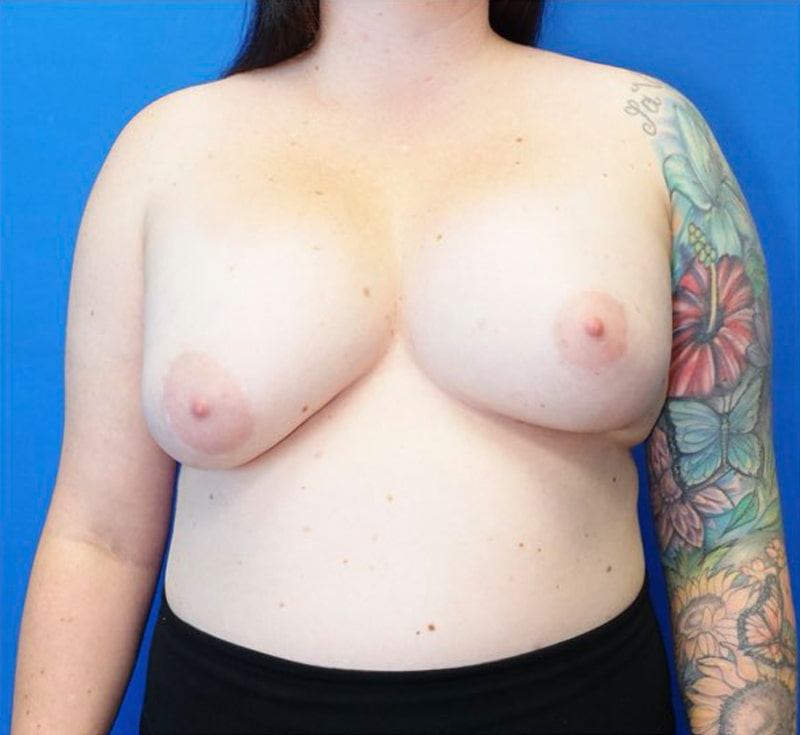
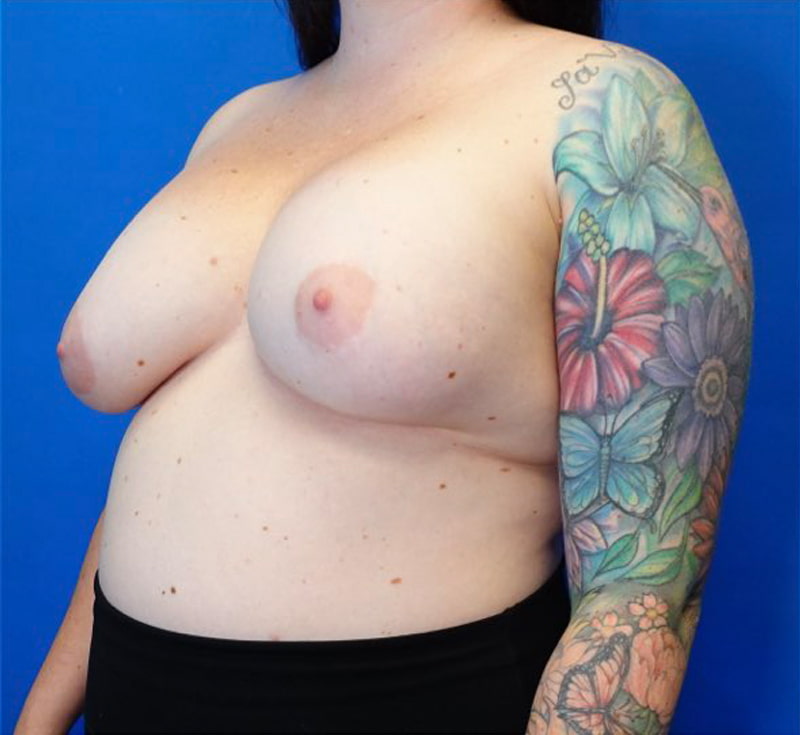
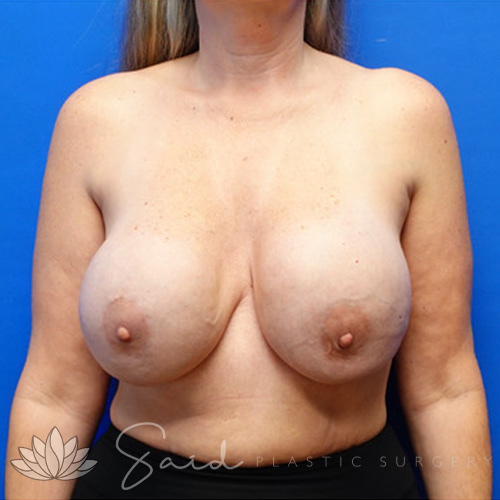
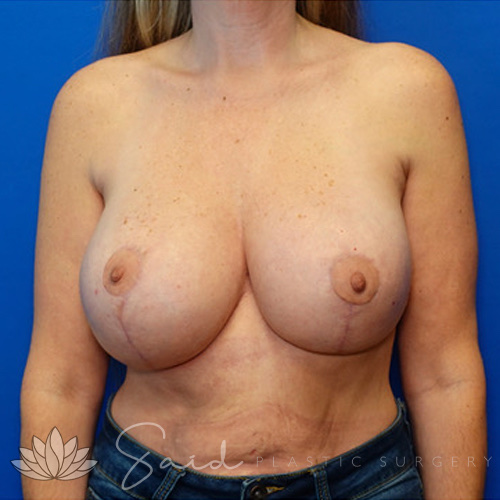
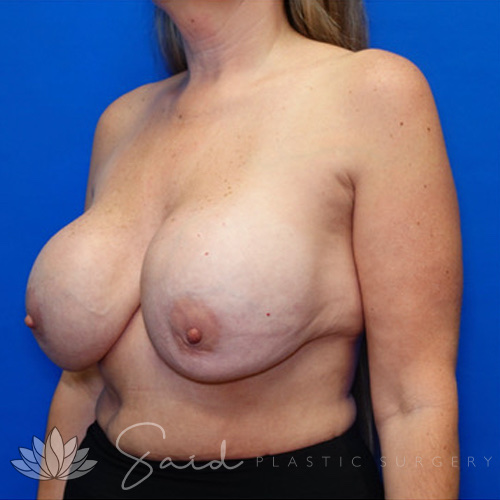
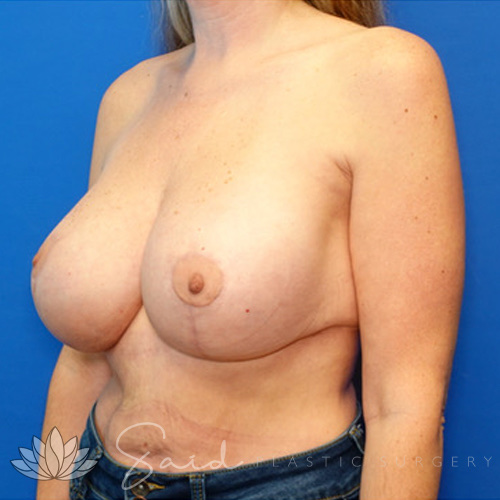
A breast lift, or mastopexy, is a surgical procedure that raises and reshapes sagging breasts. During surgery, excess skin is removed, the breast tissue is reshaped, and the nipple and areola can be moved to a higher position. If the areola has stretched over time, its size can also be reduced as part of the procedure.
A breast lift doesn’t add volume to your breasts. After the procedure, your breasts may look firmer and more defined, but a lift alone will not make them bigger like breast implants do. Similarly, a lift is different from a breast reduction, which removes tissue to make large breasts smaller. Knowing these differences is important when deciding which breast surgery is right for you.
 Swipe To Next
A breast lift is primarily about shape and position. Depending on your anatomy, the procedure may:
A breast lift can help your breasts fit better in a bra or clothing, but this is different from adding volume. If you want more fullness in the upper part of your breasts, Dr. Said may suggest combining a breast lift with breast augmentation.

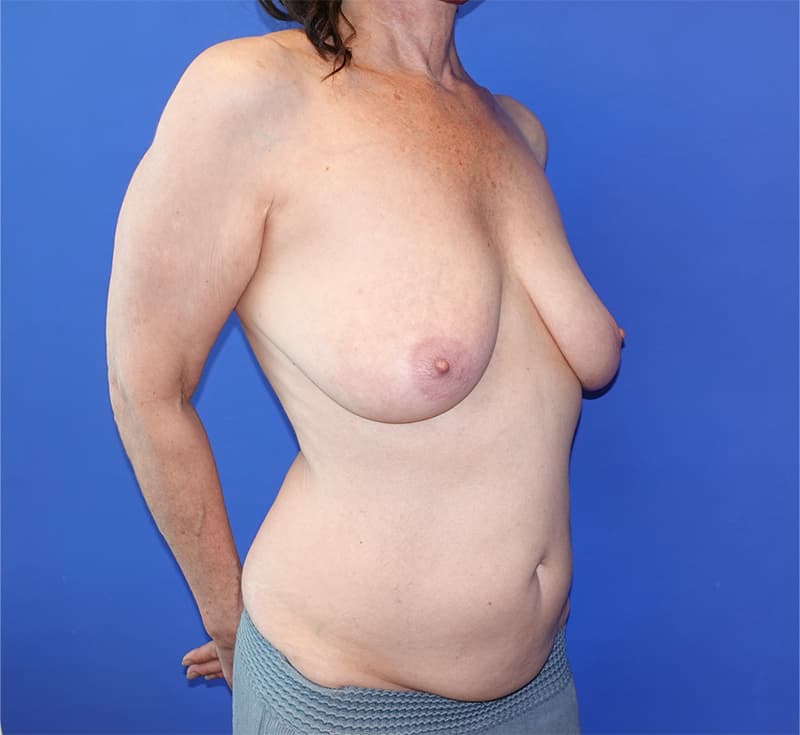
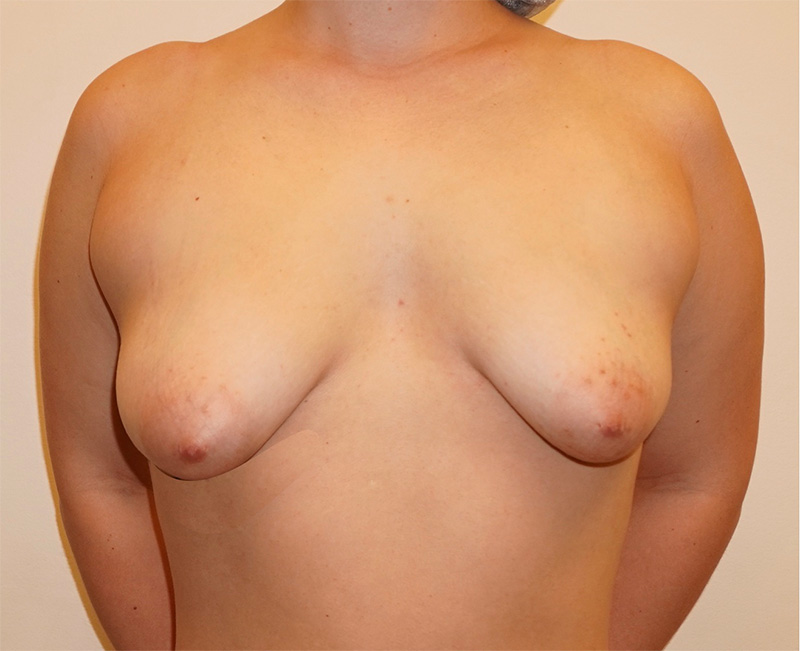
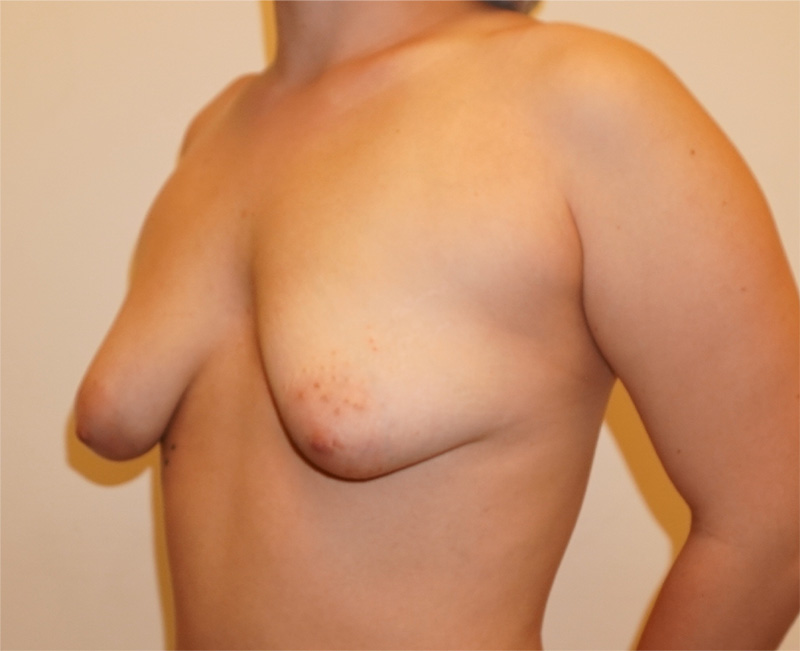
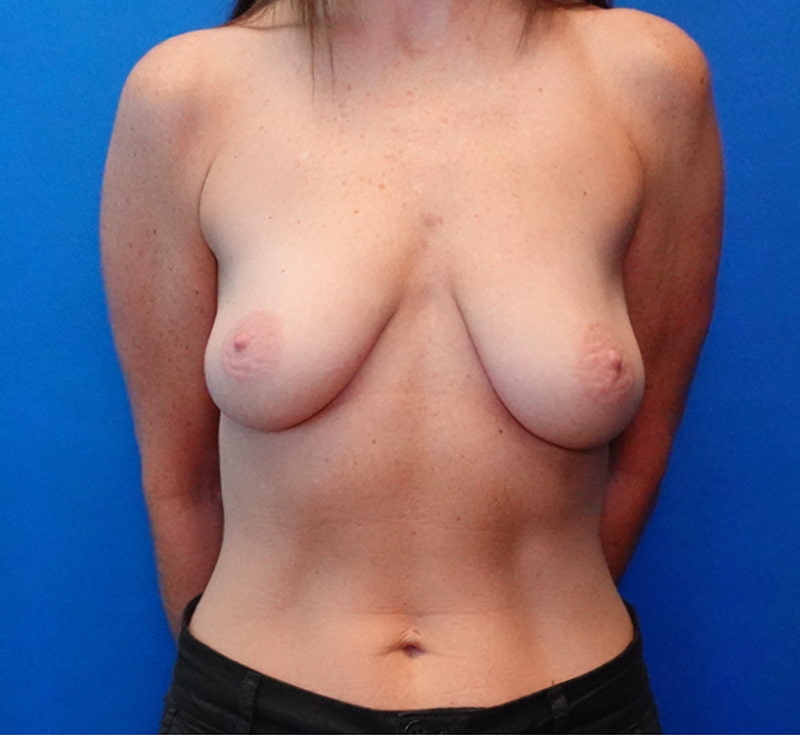
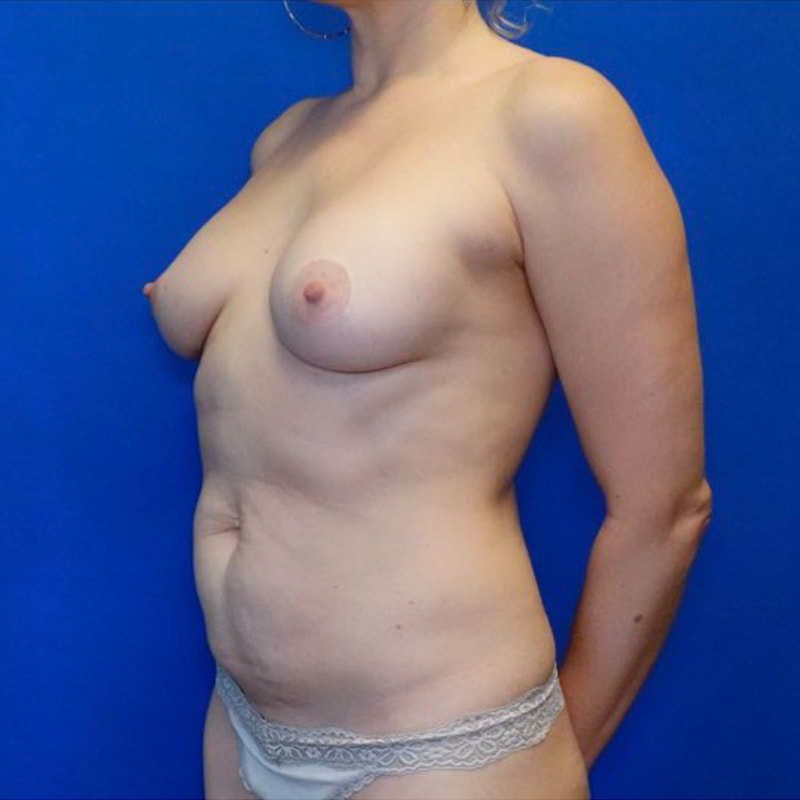
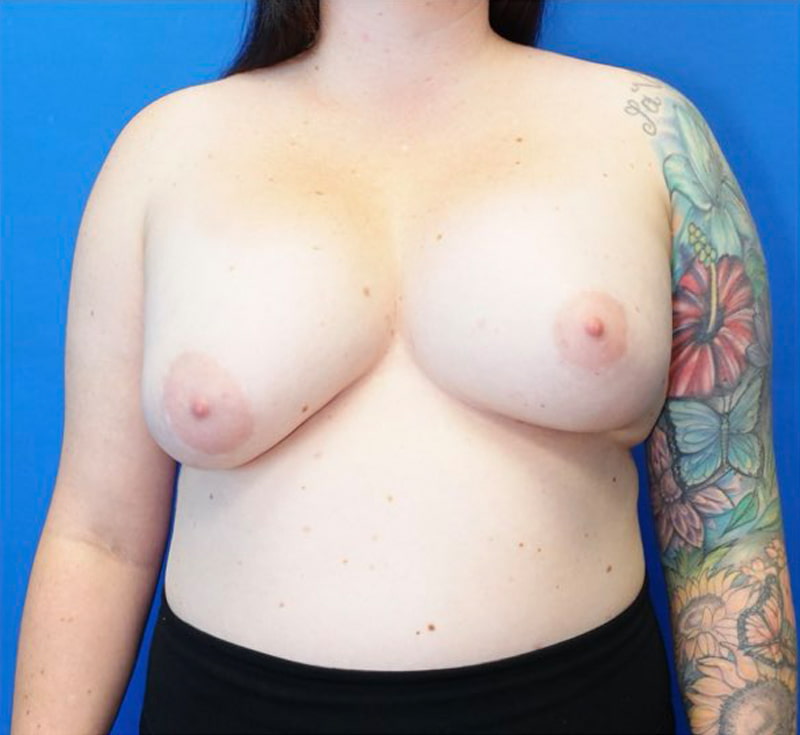
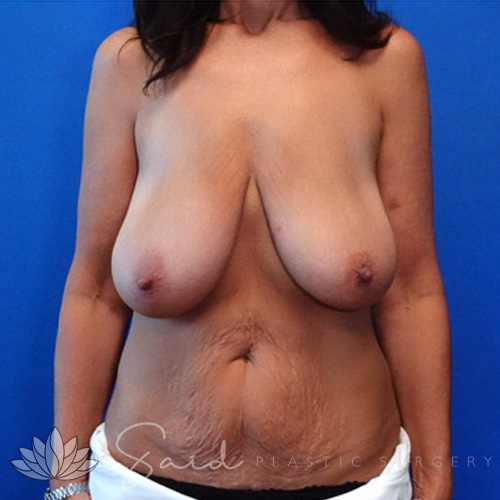
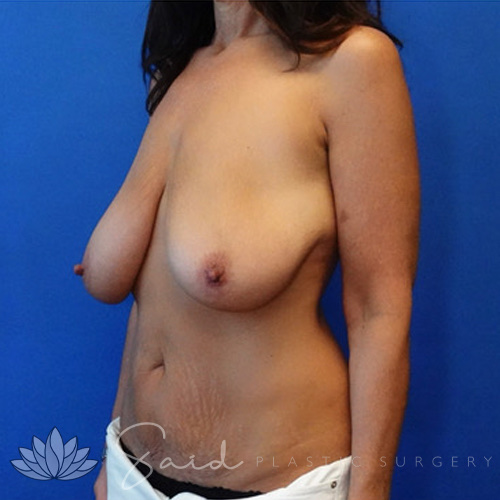
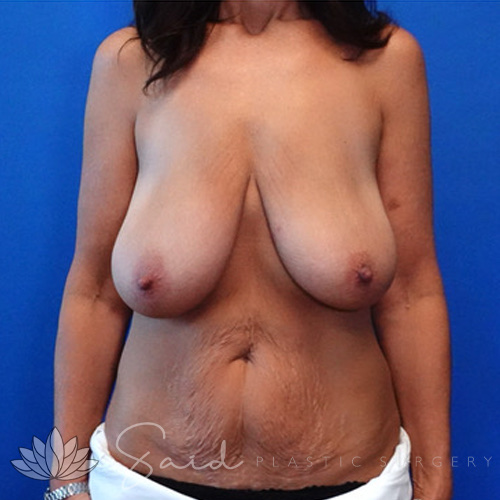
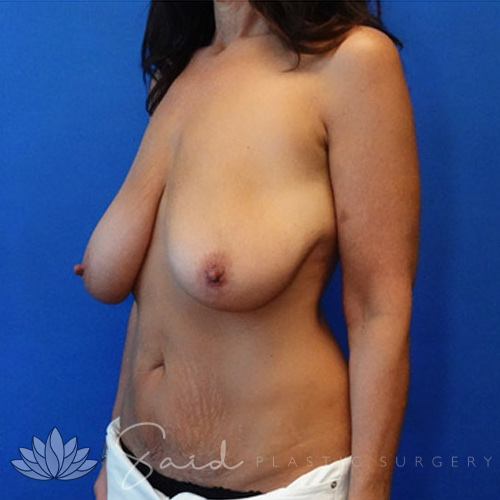
You may be a good breast lift candidate if your breasts have started to sag, flatten, or lose their previous shape. One common sign is nipple position: when the breasts are unsupported, the nipple may sit near or below the inframammary fold, which is the natural crease beneath the breast. The areolas may also point downward or appear stretched. These changes can happen after pregnancy, weight fluctuations, significant weight loss, or simply through the aging process as breast skin and supporting tissues lose some elasticity. Larger breasts are also more prone to sagging over time because of their weight.
Your overall health is important as well. Dr. Said will look at your medical history, current medications, smoking habits, any previous breast surgeries, and other factors that might affect how you heal. If you plan to become pregnant or expect major weight changes in the future, these can also affect your breasts, so timing your surgery is an important part of the conversation.
If you’ve noticed changes in your breasts but are unsure if you need a lift, augmentation, or reduction, you do not have to decide before your visit. Dr. Said can determine what’s causing the change and which procedure will help after a physical exam.
These procedures are often discussed together because they can address some of the same concerns, but they do very different things.
A breast lift raises and reshapes the existing breast. It removes extra skin and improves nipple position, but it doesn’t substantially increase or decrease the amount of breast tissue.
Breast augmentation adds volume using breast implants or, in selected patients, fat transfer. Augmentation can make the breasts larger and improve fullness, but an implant alone may not correct significant sagging.
A breast reduction removes breast tissue and skin to decrease breast size while reshaping and lifting the remaining breast. This may be more appropriate for women whose primary concern is the weight or volume of larger breasts.
Some patients need a combination. An augmentation mastopexy, for example, combines a breast lift with implants when the goal is to raise the breast and restore or increase volume at the same time.
There isn’t one breast lift procedure that works for everyone. The amount of sagging, breast size, breast shape, nipple position, skin quality, and how much excess skin needs to be removed all influence the incision pattern.
A crescent lift uses a small incision along the upper edge of the areola. It provides limited lifting and is generally reserved for relatively minor changes.
With a periareolar lift, the incision runs around the areola. This approach may be appropriate when less skin removal and repositioning are needed and can also allow Dr. Said to reduce the areola size.
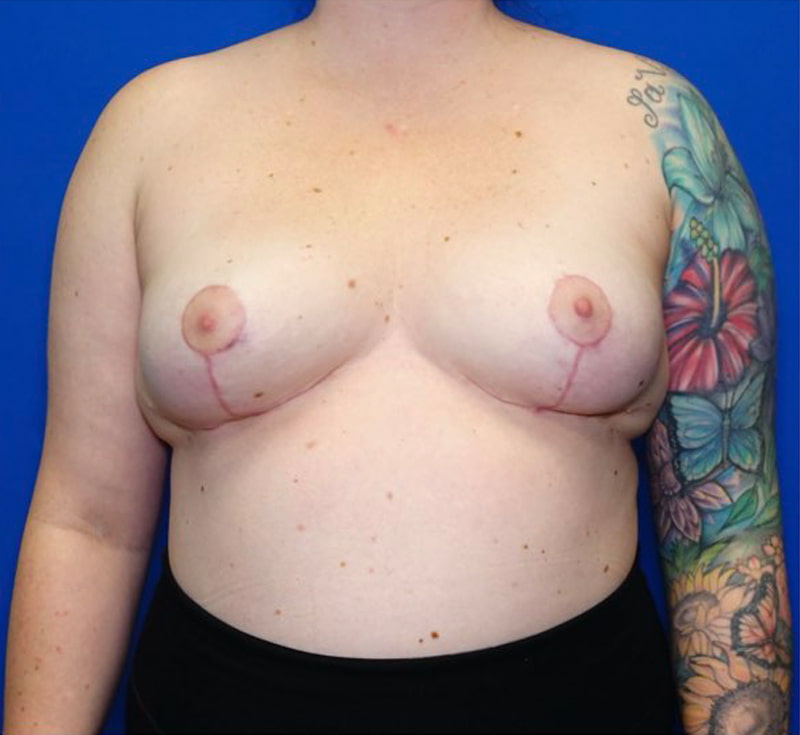
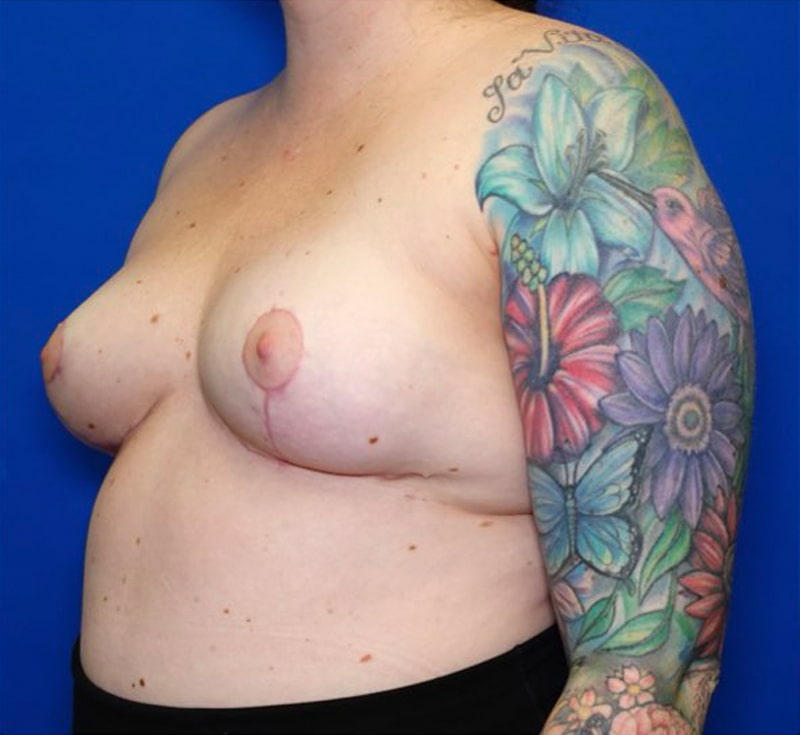
A lollipop lift uses an incision around the areola with a second incision extending vertically down to the breast crease. This gives the surgeon more ability to remove excess skin and reshape the breast tissue.
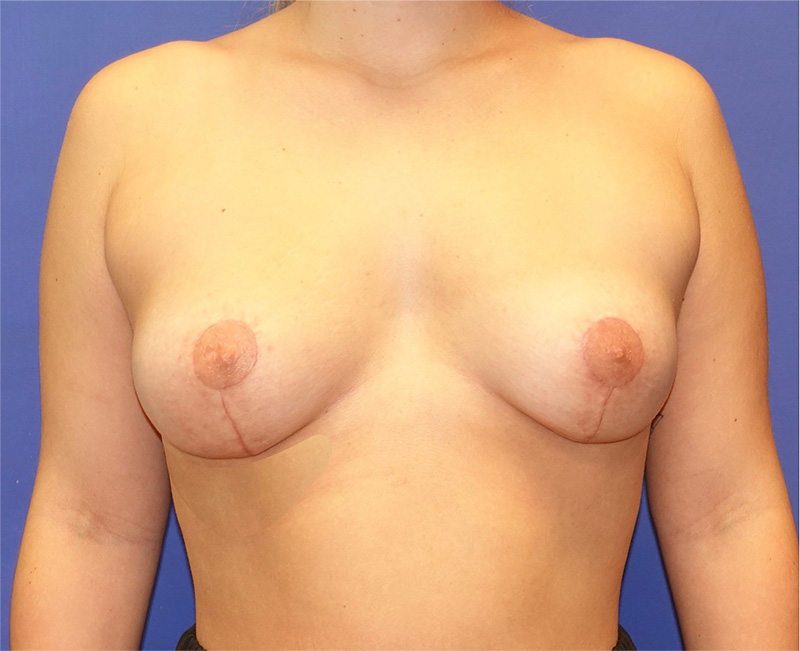
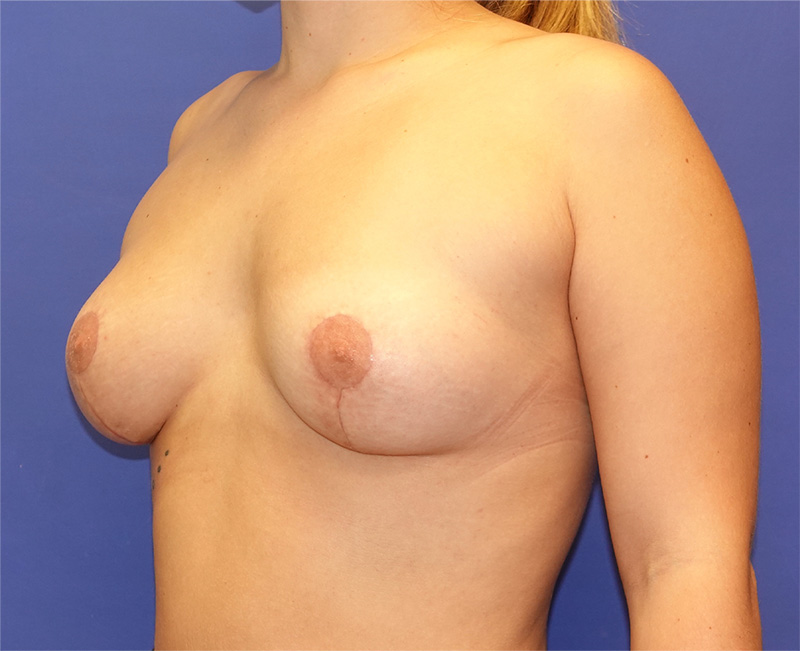
An anchor-shaped incision runs around the areola, vertically to the breast crease, and along the inframammary fold. It provides the greatest access for reshaping and is often used when there is more significant sagging or extra skin.
A shorter scar doesn’t always mean a better result. The incision needs to give the surgeon enough access to shape your breasts as you want. If the approach is too limited just to avoid a scar, it may not allow for enough lifting or reshaping.
Dr. Said looks beyond how much breast skin can be removed. He evaluates the breast tissue itself, skin elasticity, breast width, nipple position, symmetry, and how well the existing tissue can support the new breast shape.
For some patients, their own tissue provides enough support for a standard lift. Others have thinner or weaker tissue after pregnancy, major weight loss, previous breast surgery, or implant-related bottoming out. In selected cases, Dr. Said may discuss an internal bra technique using additional internal support.
Dr. Said uses GalaFLEX, a bioresorbable P4HB scaffold, for selected internal-bra procedures. He does not recommend this additional support for every breast lift. Whether it adds value depends on tissue quality, the weight the tissue needs to support, previous surgery, and whether implants are being added.
This is why it’s helpful to have a consultation before deciding on a specific incision or technique. After Dr. Said examines your breasts, he can explain how much lift you need, where scars may be, and if your tissue needs extra support.
A breast lift can improve the shape of your breasts without using implants, and many people don’t need implants. The main question is whether you also want to increase your breast volume. If pregnancy, breastfeeding, weight loss, or age has left the breasts looking deflated through the top half, an implant can restore fullness while the lift improves breast position. This combined procedure is called augmentation mastopexy.
When combining procedures, planning changes because your breast skin and tissue need to support the extra weight of the implant. Seattle Breast Lift surgeon, Dr. Said looks at implant size, tissue quality, and internal support as a whole, not as separate decisions. For patients with silicone breast implants, Said Plastic Surgery also offers Butterfly iQ+ ultrasound for in-office evaluation of implant integrity.
Good preparation starts with an accurate medical history. Tell Dr. Said about previous breast surgery, mammograms or biopsies, any personal or family history of breast cancer, medications, vitamins, and herbal supplements. He may recommend breast imaging or other testing depending on your age and medical history.
Some medications and supplements, like blood thinners and anti-inflammatory drugs, can raise the risk of bleeding. Do not stop taking any prescribed medication by yourself. Dr. Said and your healthcare team will let you know what changes are needed and when.
Smoking can affect blood flow to your skin and increase the risk of healing problems, so if you smoke, you will get special instructions before surgery. You should also plan for someone to drive you home and help you during the first part of your recovery.
Before a Breast Lift Seattle plastic surgeon, Dr. Said will review the plan with you and makes precise markings while you are upright. These markings guide nipple position, skin removal, and the new breast contour.
During surgery, he creates the planned incisions, removes excess skin, and reshapes the breast tissue. The nipple and areola are repositioned as needed while remaining attached to the underlying tissue and blood supply. If breast implants are part of the plan, they can also be placed during the procedure.
Dr. Said closes the incisions carefully and begins a postoperative scar-treatment plan as the incisions heal. Breast lift surgery is performed as an outpatient procedure, and patients generally return home the same day with someone else driving them.
Following a Breast Lift Seattle patients may take about one to two weeks off work, depending on their job and how they heal. Walking starts early, even on the day of surgery. Discomfort is usually highest in the first few days and is managed with the medication plan from the practice.
Swelling and bruising are expected during early healing. You may be asked to wear a surgical bra or other support garment to reduce swelling and support the breasts. Bruising often improves considerably within a couple of weeks, although some swelling can last longer.
You should avoid heavy lifting and strenuous exercise, especially upper-body workouts, for at least six weeks. You can drive again when you have enough movement and feel comfortable, and once you are no longer taking medication that could make driving unsafe.
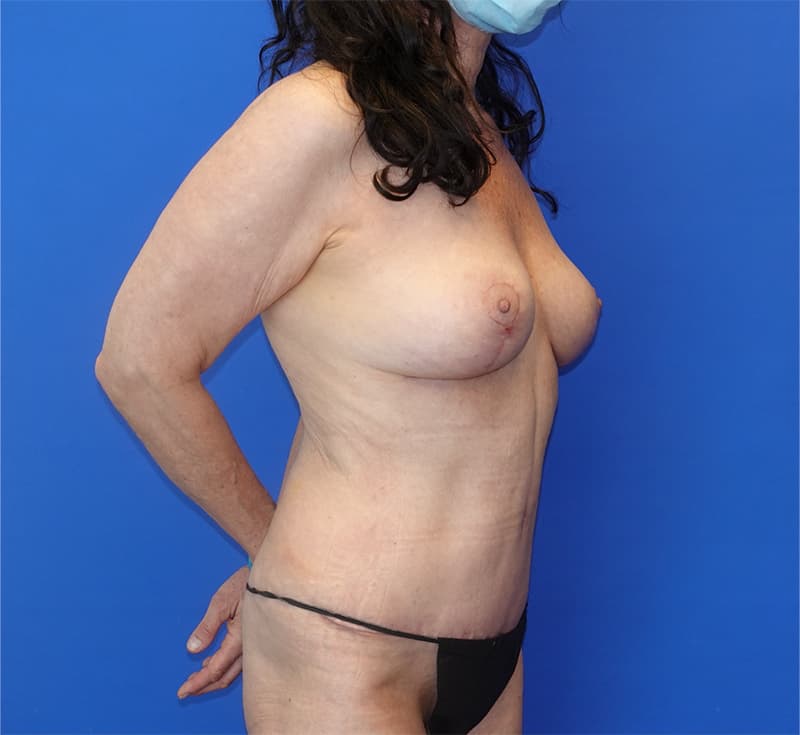
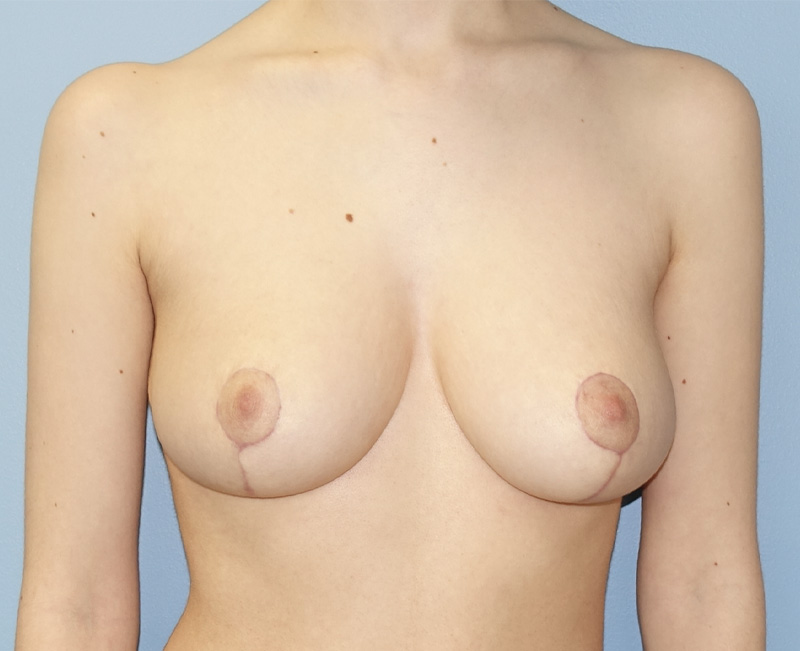
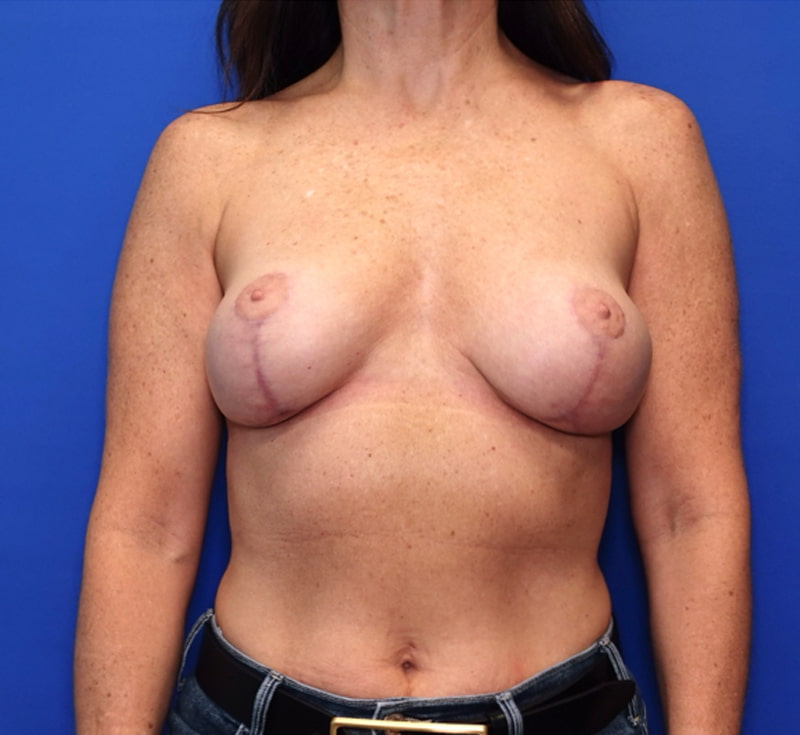
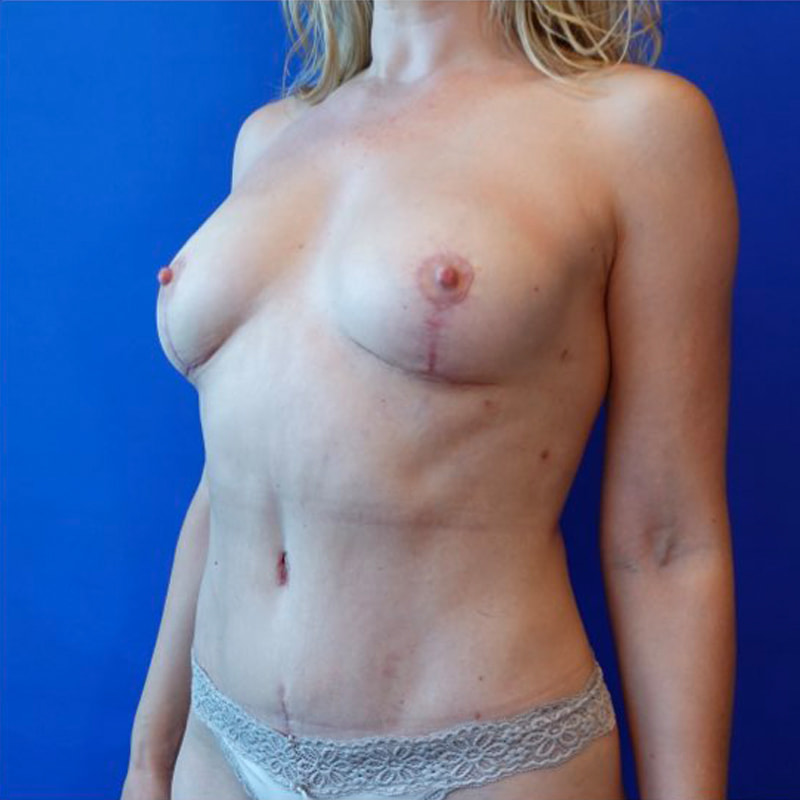
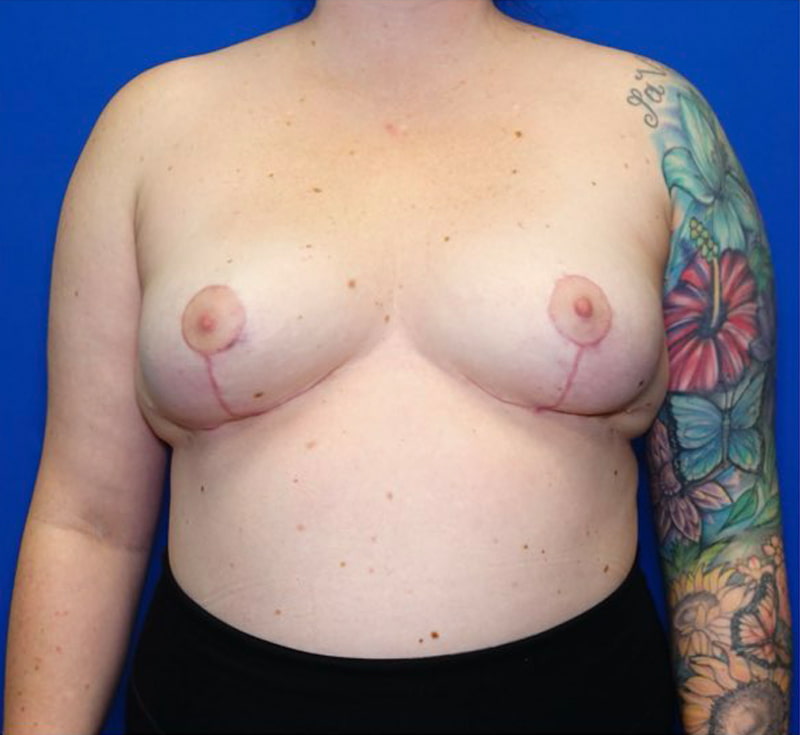
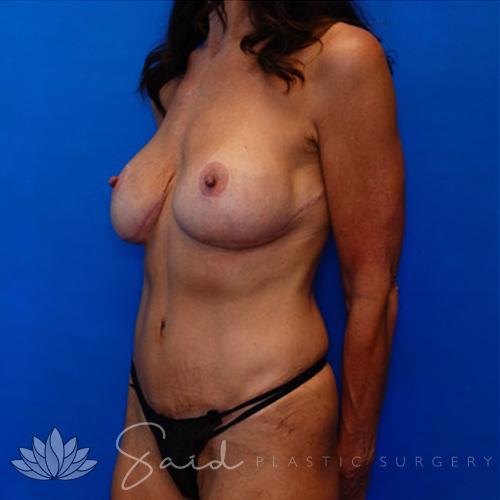
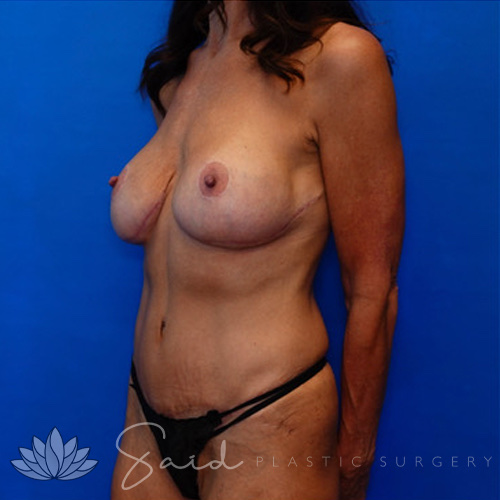
Every breast lift leaves scars. Their location depends on the incision pattern required to reshape your breasts, so a patient having a small periareolar lift will have a different scar pattern from someone who needs an anchor lift.
Breast lift scars are permanent, but they generally soften and fade as they mature. That process takes time. Dr. Said puts particular care into incision closure and postoperative scar management, but genetics, skin type, tension on the incision, smoking, and individual healing all influence how scars ultimately look.
When considering scars, remember that the incision allows Dr. Said to achieve the best results. If there’s more sagging, a larger incision may be needed to remove extra skin and reshape the breast properly.
Breast lift surgery carries risks like any surgical procedure. These include bleeding, infection, reactions to anesthesia, delayed wound healing, changes in breast or nipple sensation, asymmetry, contour irregularities, and the possibility of revision surgery. Rarely, problems with blood supply can lead to loss of part or all of the nipple or areola.
Nipple sensation can be temporarily reduced or altered as the breast heals, and in some cases changes can be permanent. Breastfeeding may still be possible after a lift, but surgery can affect milk production in some patients. If future pregnancy or breastfeeding is important to you, bring that up during your consultation.
Talking about possible complications is not meant to scare you. It’s important to have all the information so you can decide if the benefits of surgery are worth the risks and recovery.
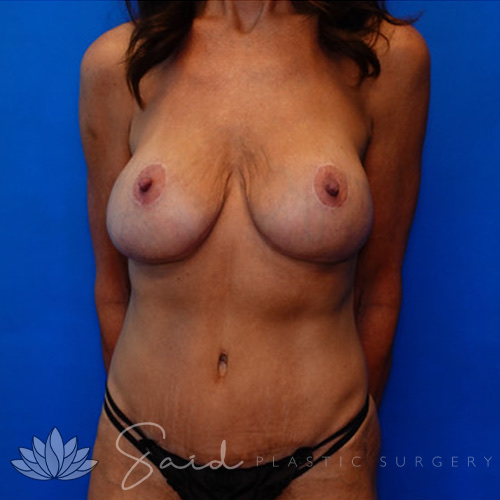
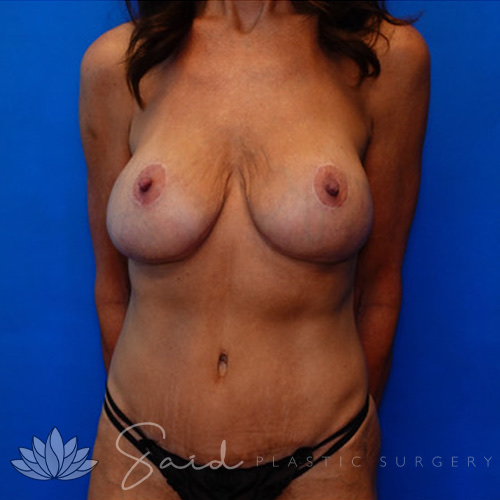
You’ll see a change in breast position immediately, but the breasts need time to settle. Swelling gradually decreases over the following weeks, while breast shape and incision lines continue to mature for several months.
The results of a breast lift can last a long time, but surgery cannot prevent aging. Pregnancy, major weight changes, gravity, and natural loss of skin elasticity can still affect your breasts. Keeping your weight stable can help maintain your breast shape.
Dr. Hakim Said is a board-certified plastic surgeon who plans each breast lift around the patient’s anatomy rather than relying on one standard technique. He evaluates the amount of sagging, breast tissue, skin quality, nipple position, symmetry, and existing support to determine how much reshaping is needed and which incision pattern makes the most sense.
Dr. Said places strong emphasis on careful incision closure, scar management, and recovery planning. For some patients with weaker breast tissue, previous bottoming out, major weight loss, or a lift performed with implants, he may also discuss whether additional internal support could be helpful. The goal is to create a surgical plan that fits your anatomy while giving you a clear understanding of the expected shape, scars, and recovery.
If you’ve noticed changes in your breasts and aren’t sure what will help you get the shape you want, a consultation can answer your questions. Dr. Said will check your breast tissue, skin, nipple position, symmetry, and volume, then explain if a lift alone is right or if you should consider augmentation, reduction, or extra support.
A breast lift removes excess skin rather than a significant amount of breast tissue, so it isn’t designed to substantially reduce breast size. The breasts may look somewhat smaller because the tissue is brought into a tighter, more compact shape. If your goal is noticeably smaller breasts, breast reduction may be more appropriate.
A lift can create a firmer, more defined breast shape by repositioning your existing breast tissue. It can improve the breast profile without adding an implant. If you want significantly more upper-breast fullness or want to increase breast size, breast augmentation may be recommended along with the lift.
Most of Dr. Said’s patients take one to two weeks away from work. Light walking starts early, while heavy lifting and strenuous exercise should generally wait at least six weeks. Your exact recovery timeline depends on your procedure and how you heal.
Breast lift scars may sit only around the areola or may also extend vertically toward the breast crease and horizontally along the crease. The pattern depends on how much lifting and skin removal you need. Scars are permanent but typically fade and become less noticeable with time.
Temporary numbness or altered nipple sensation can occur after surgery as swelling resolves and nerves recover. Sensation often improves with healing, but permanent changes are possible and should be considered before surgery.
Many women can still breastfeed after breast lift surgery, but the procedure may affect milk production in some patients. If you hope to become pregnant or breastfeed in the future, discuss that with Dr. Said when planning your surgery.
Yes. A breast lift reshapes the breasts at the time of surgery, but it can’t stop aging, gravity, pregnancy, or future weight changes. Larger breasts may also be more likely to develop recurrent sagging because they carry more weight.
Breast Lift
Starting at $16,400+
~1-week initial downtime
~6 weeks activity restrictions
(no exercise + no lifting/pushing/pulling 10 lbs. or more)
All pricing includes pre-op & post-op care, anesthesia, facility fees & garment(s)
There isn’t one standard price because breast lift surgery varies considerably from patient to patient. Your technique, surgical complexity, anesthesia and facility costs, and whether implants or additional support are included can all affect the total. Dr. Said’s team can provide specific pricing once your surgical plan has been established.
Got a question? CALL (206) 467-1101
or use this online form