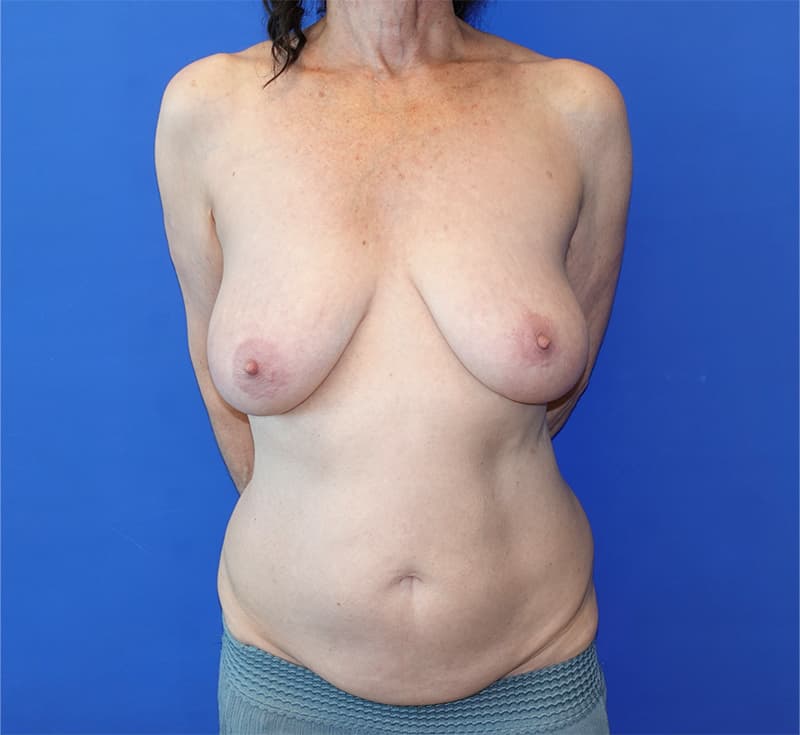
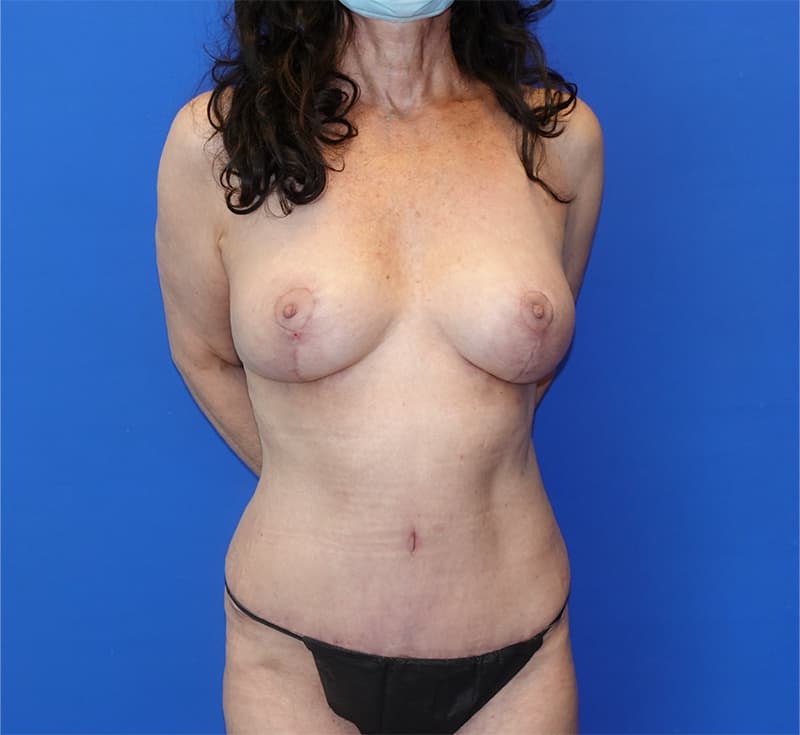
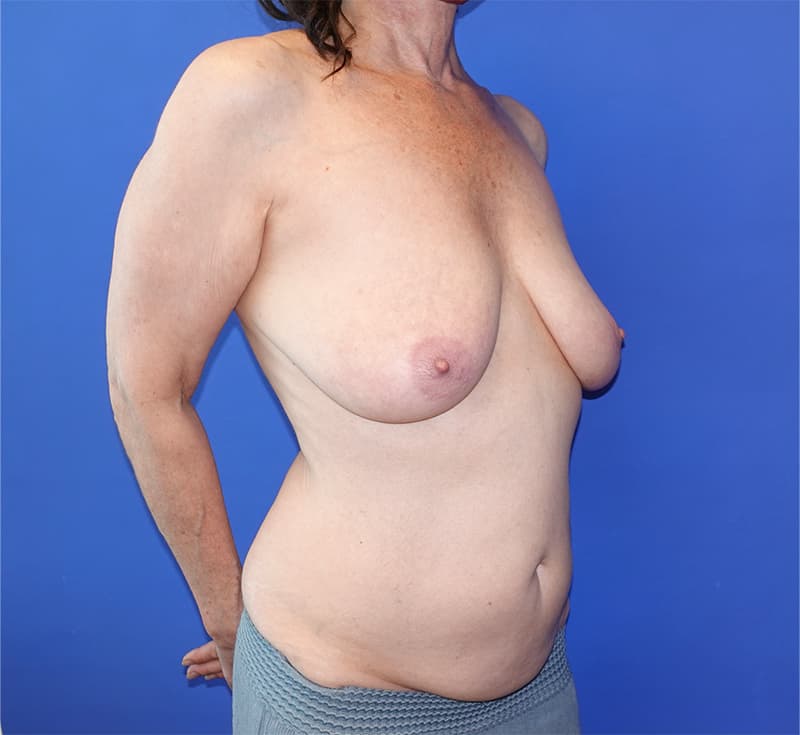
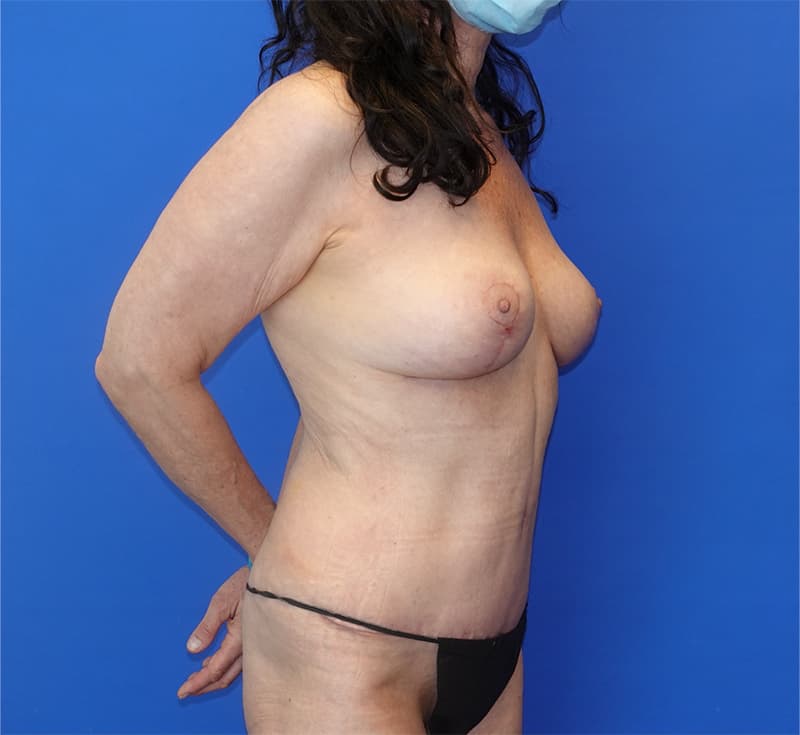
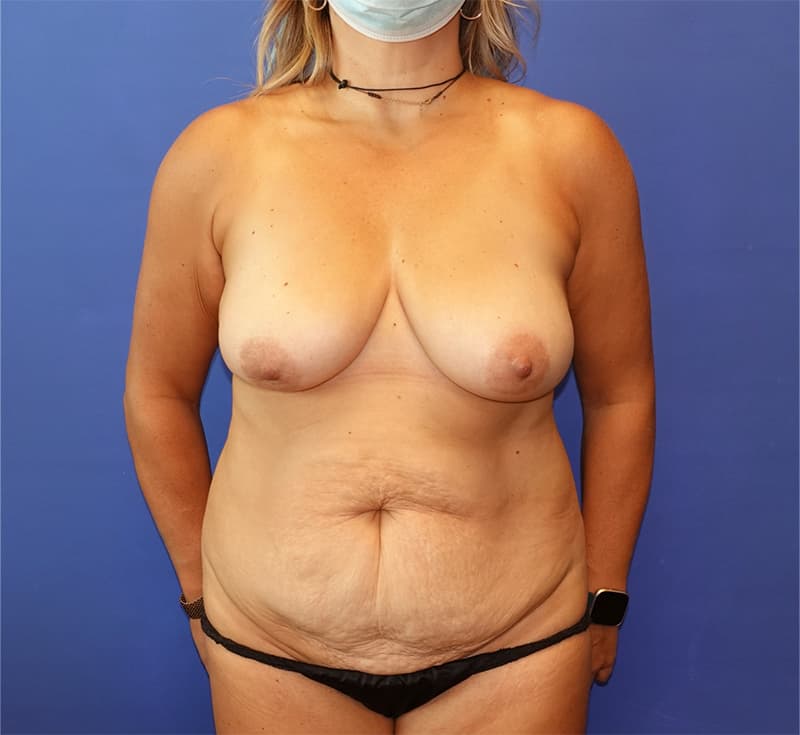
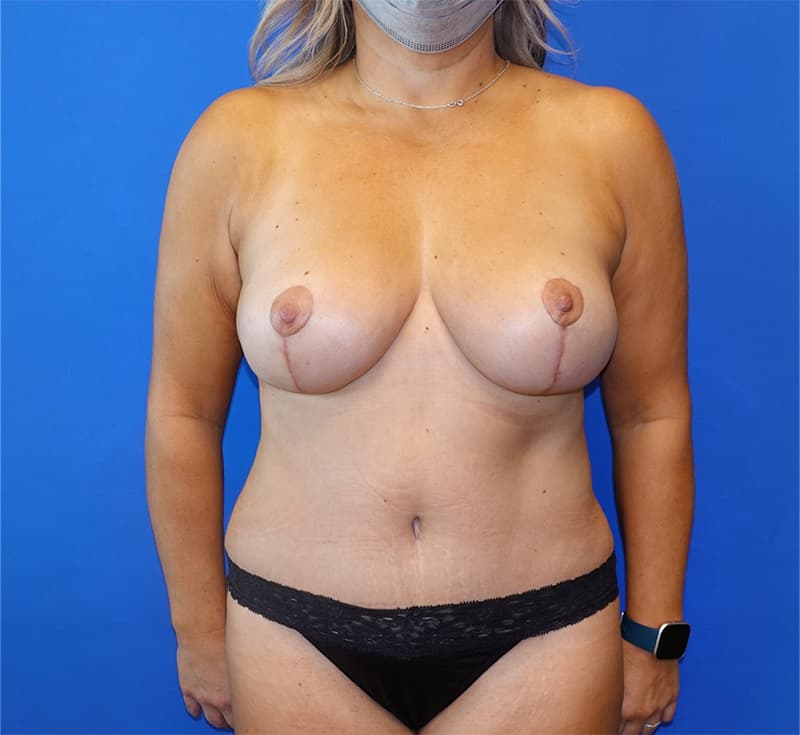
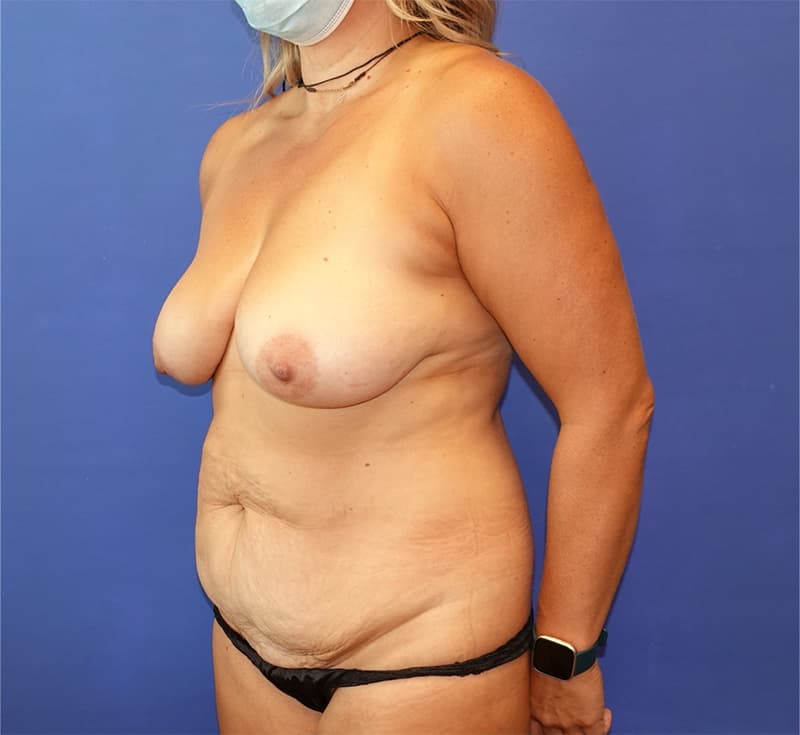
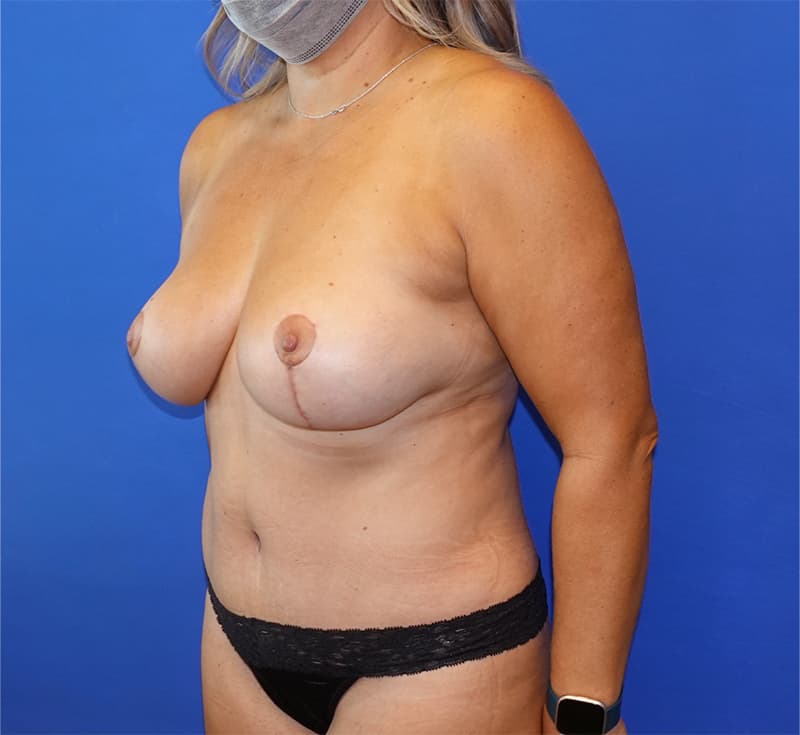
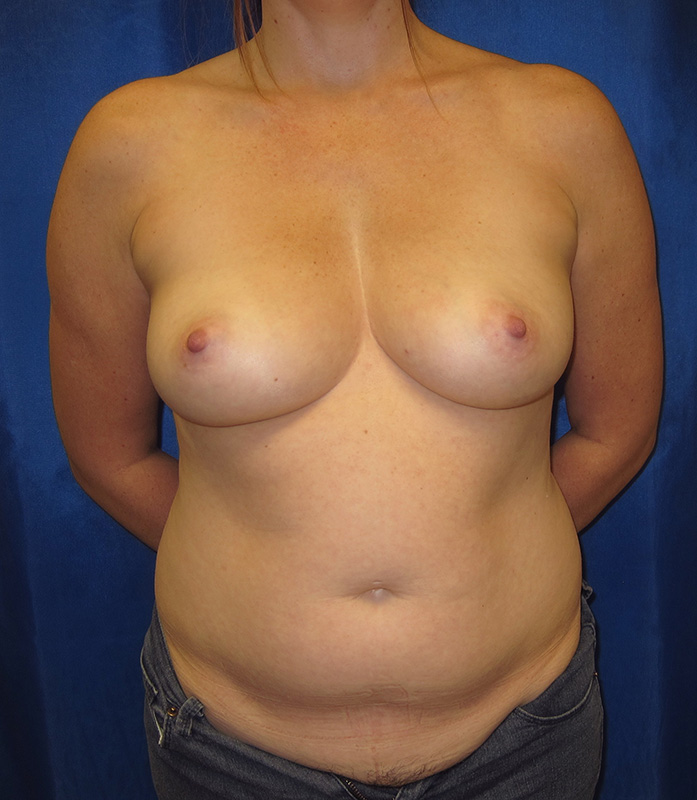
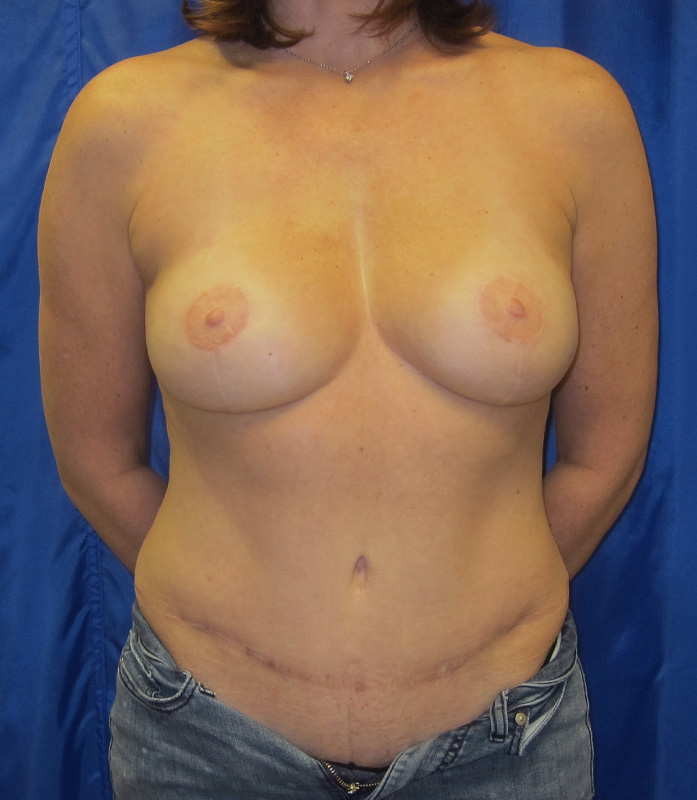
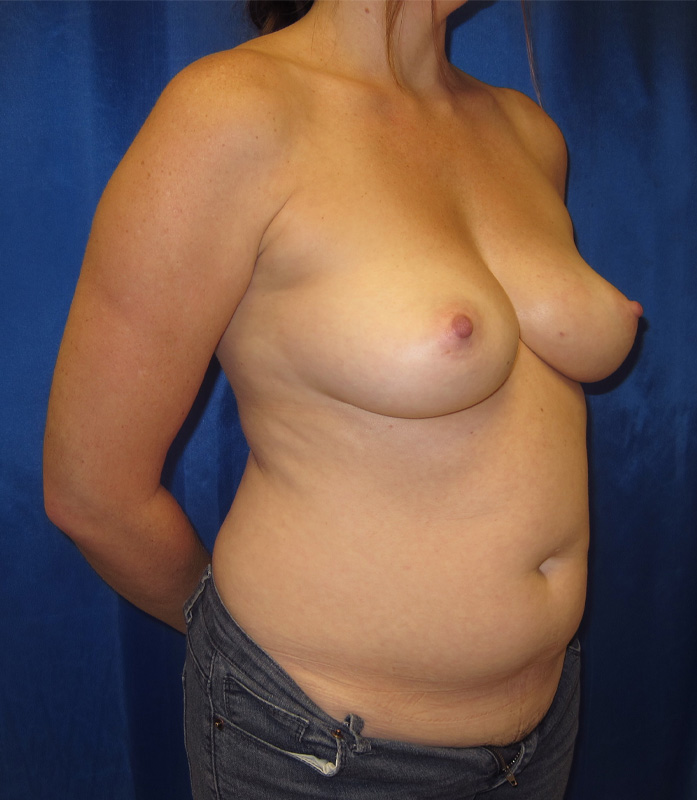
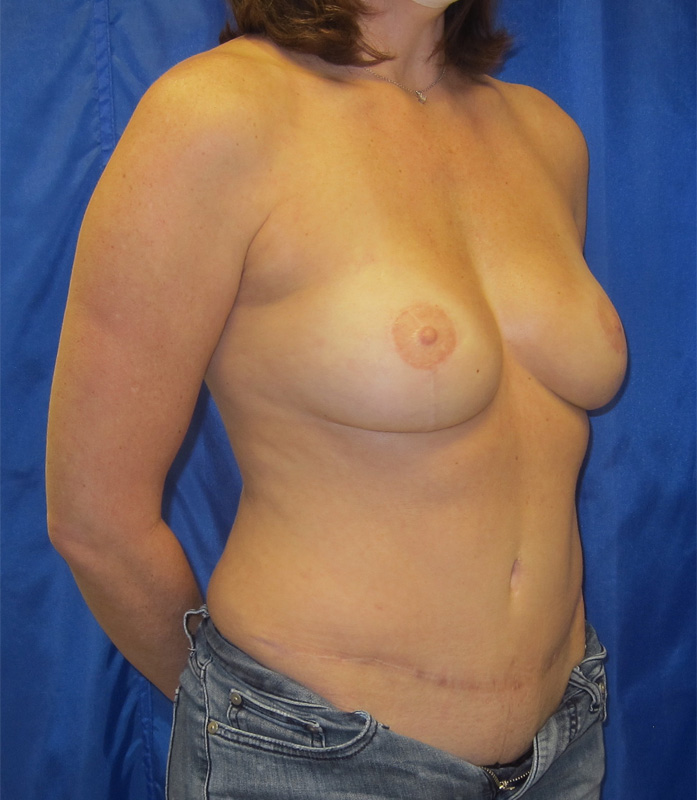
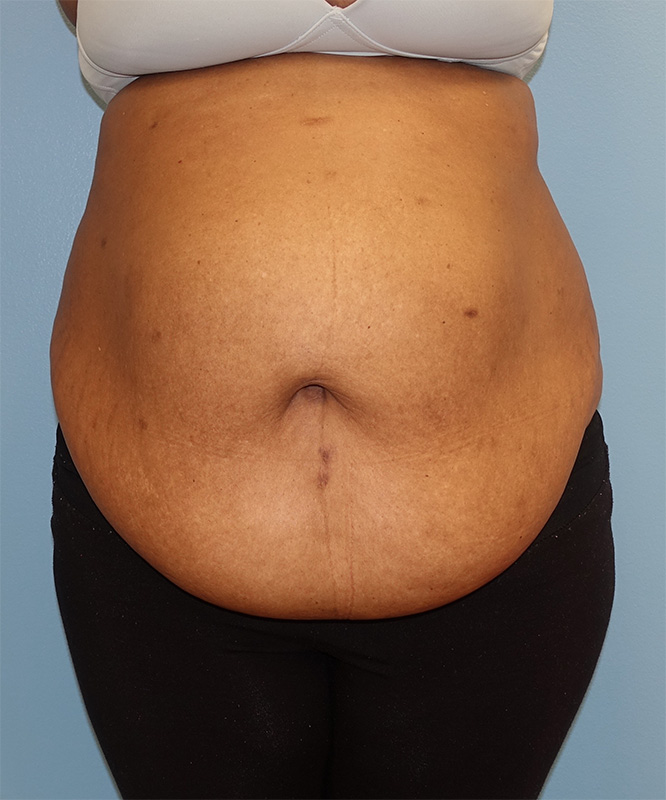
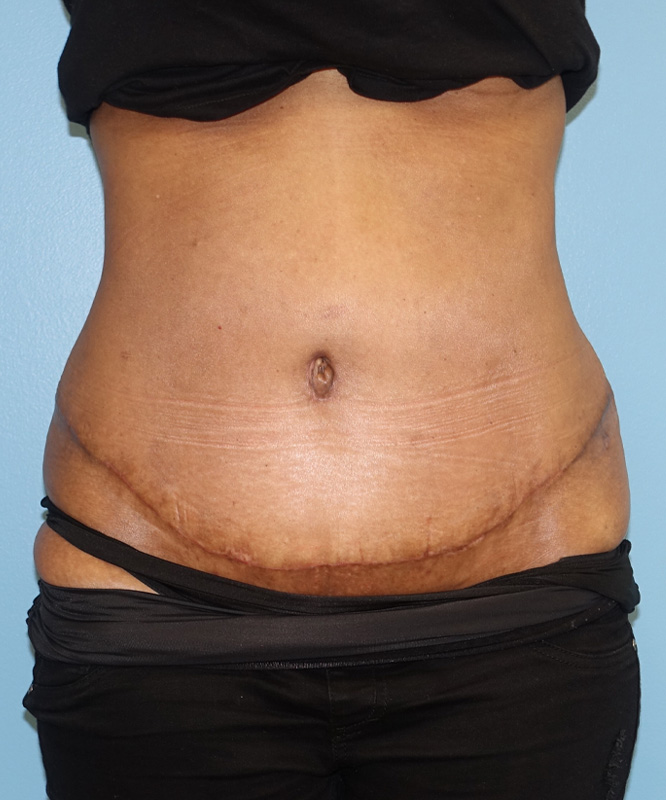
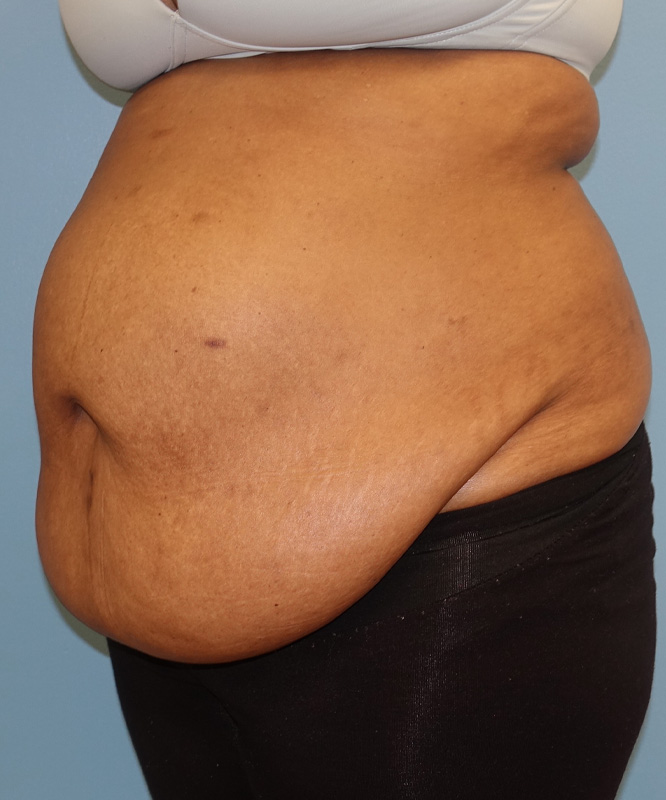
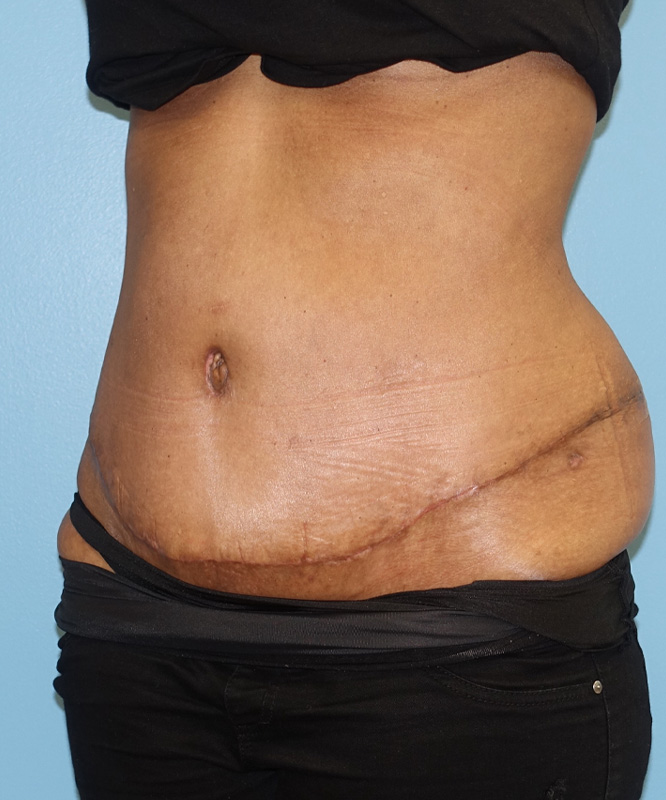
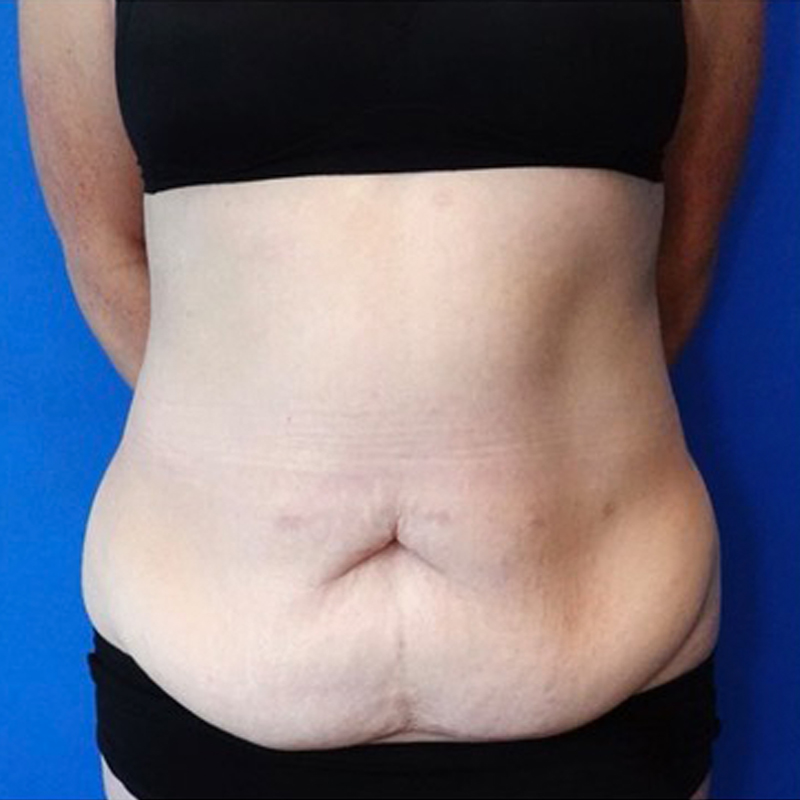
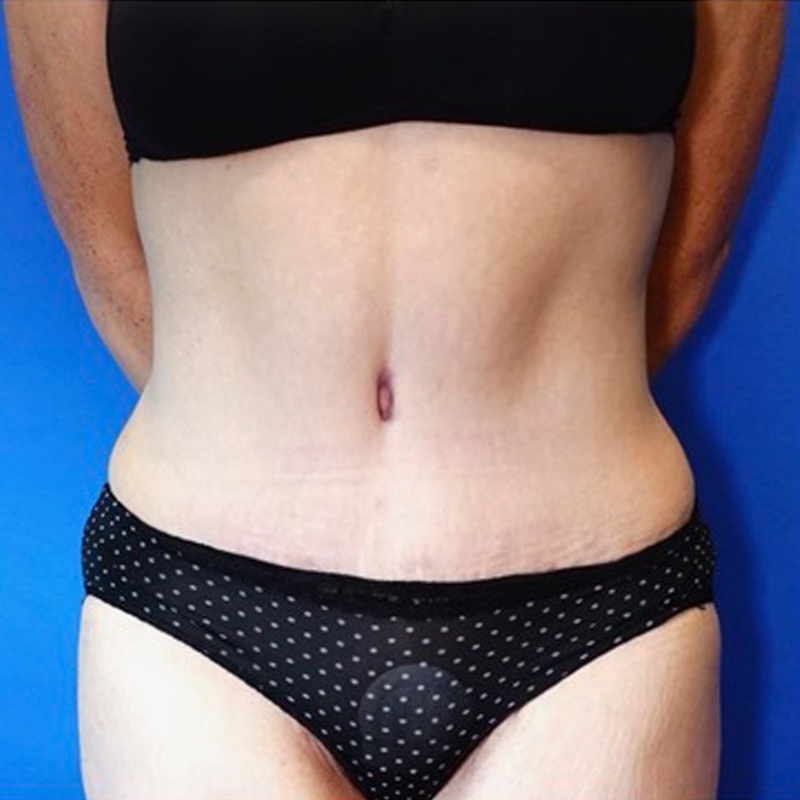
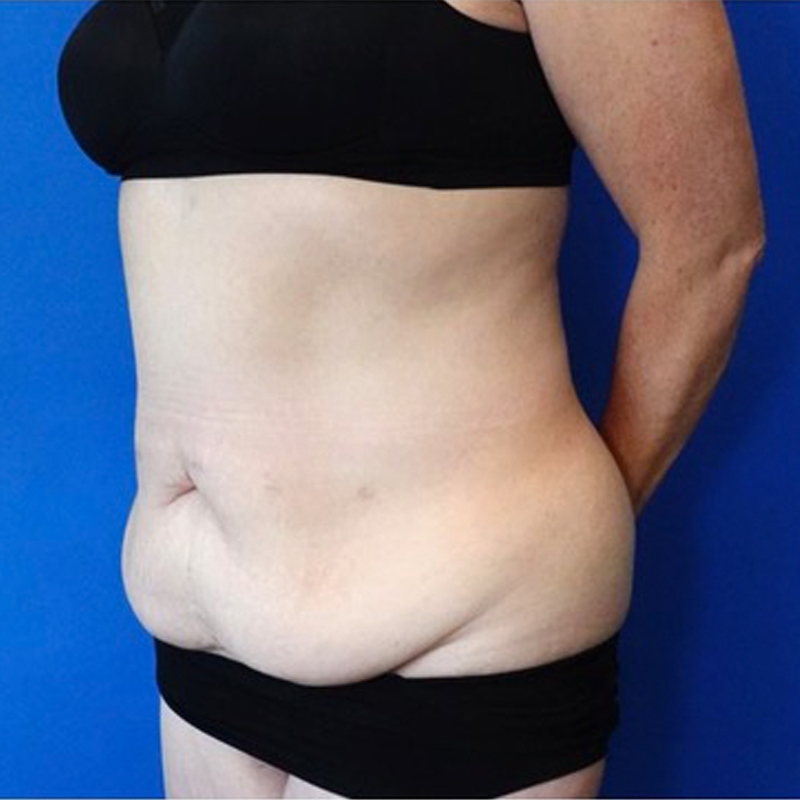
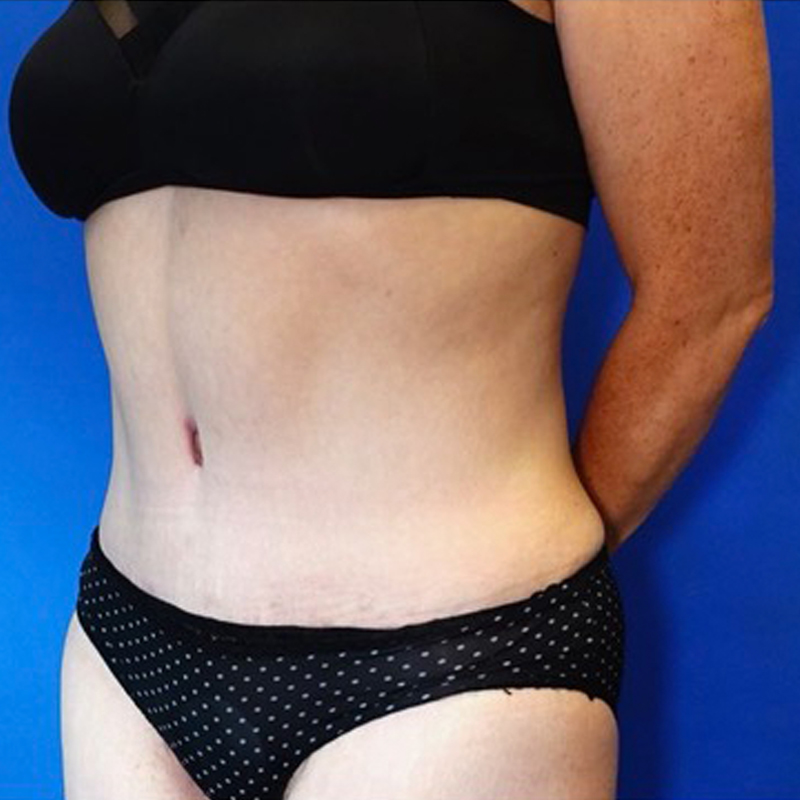
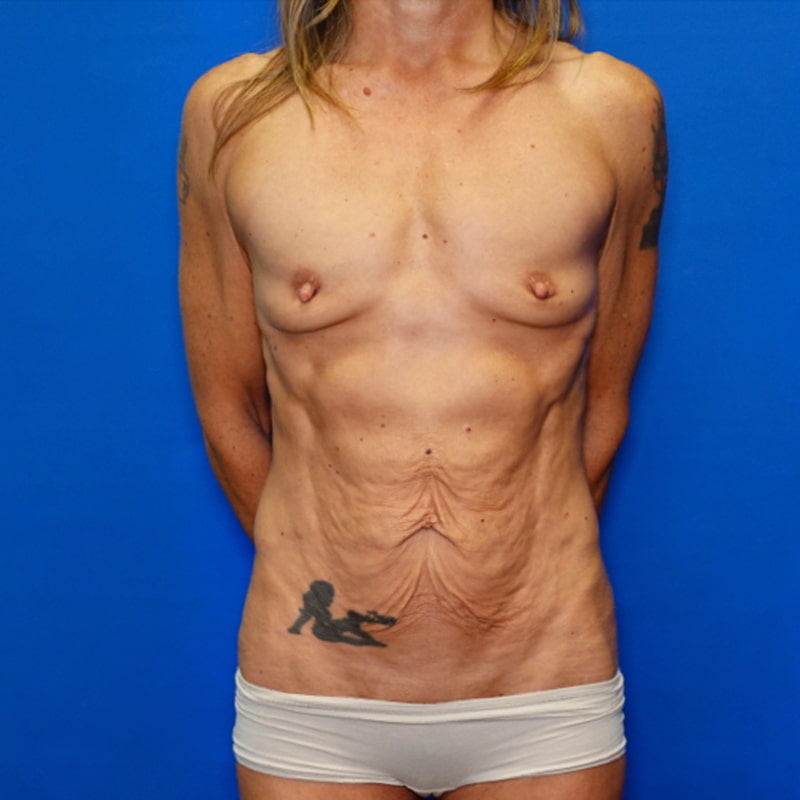
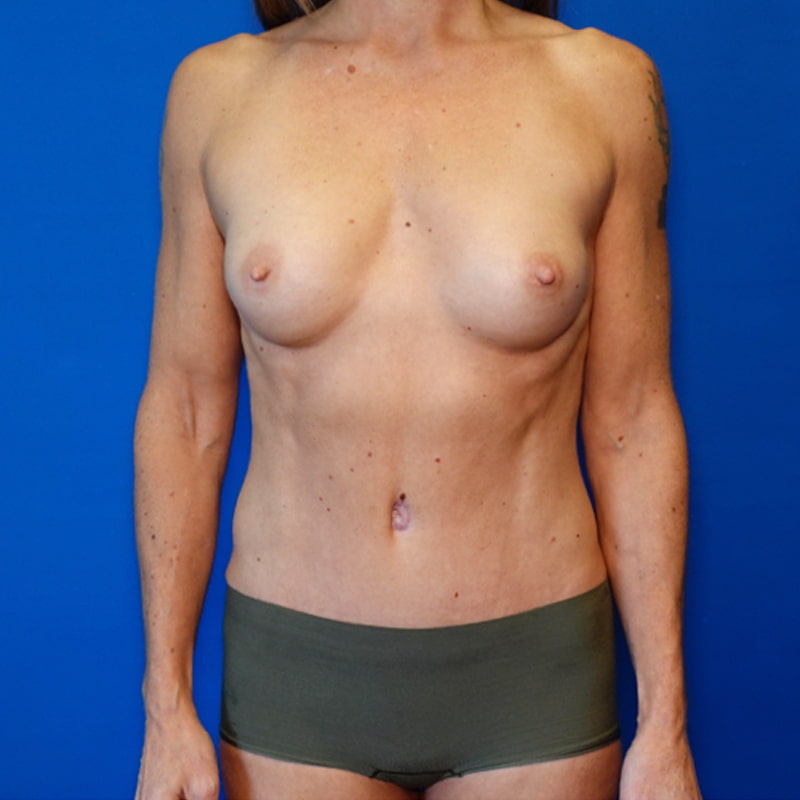
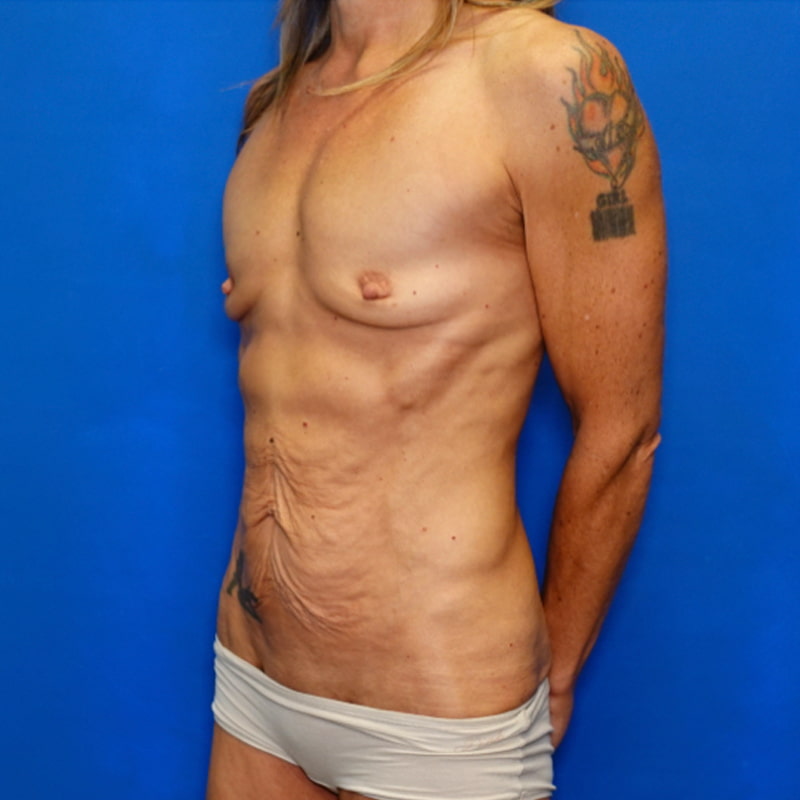
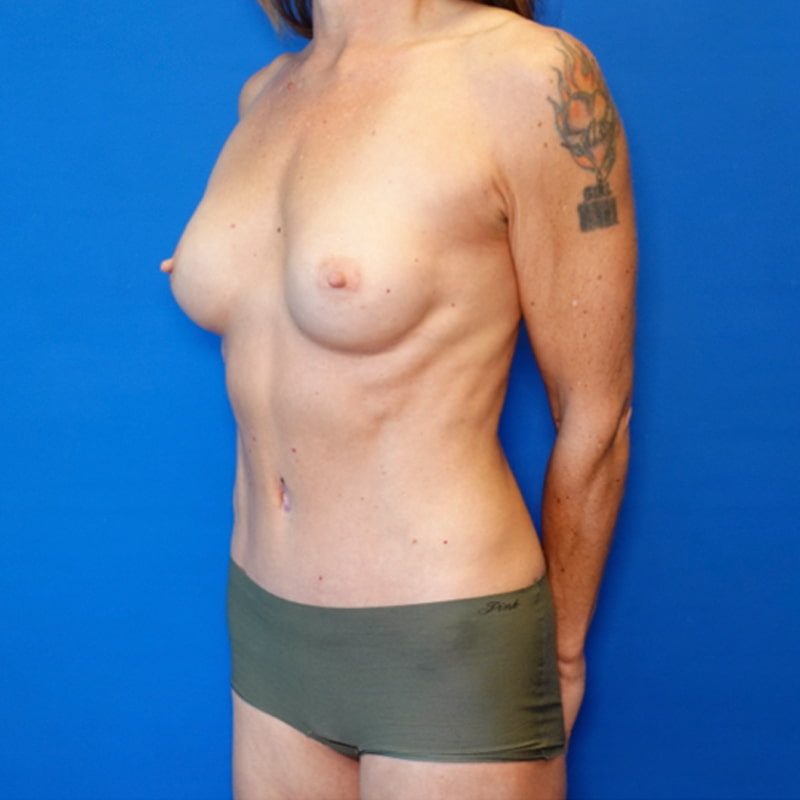
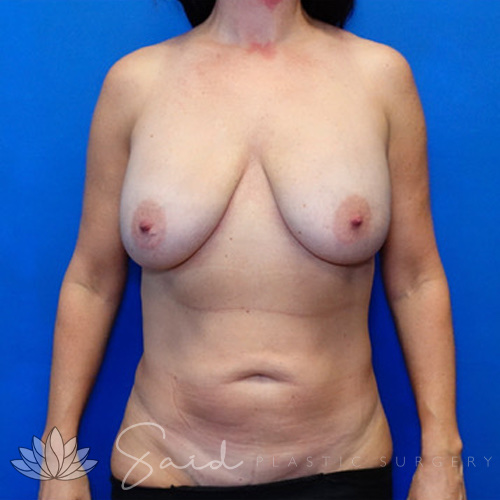
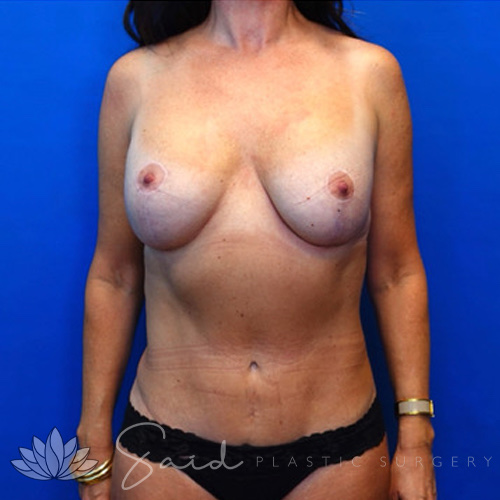
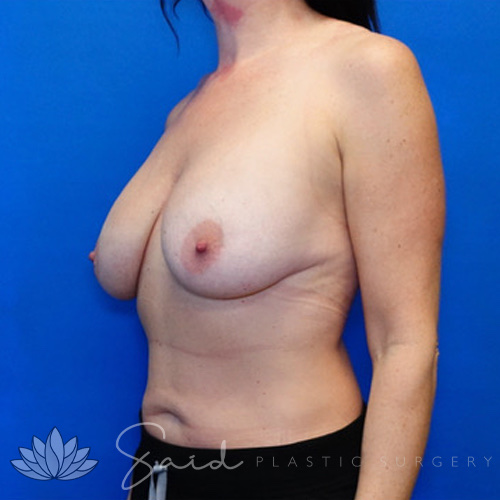
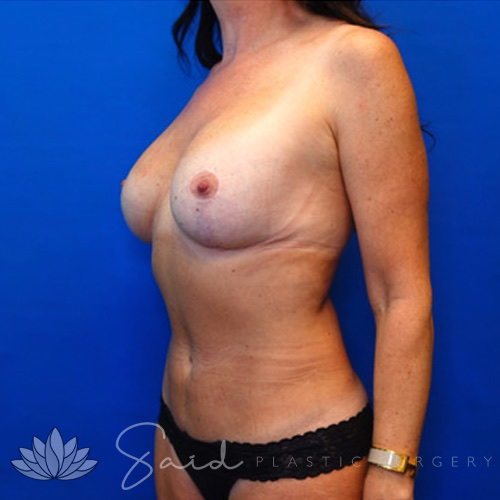
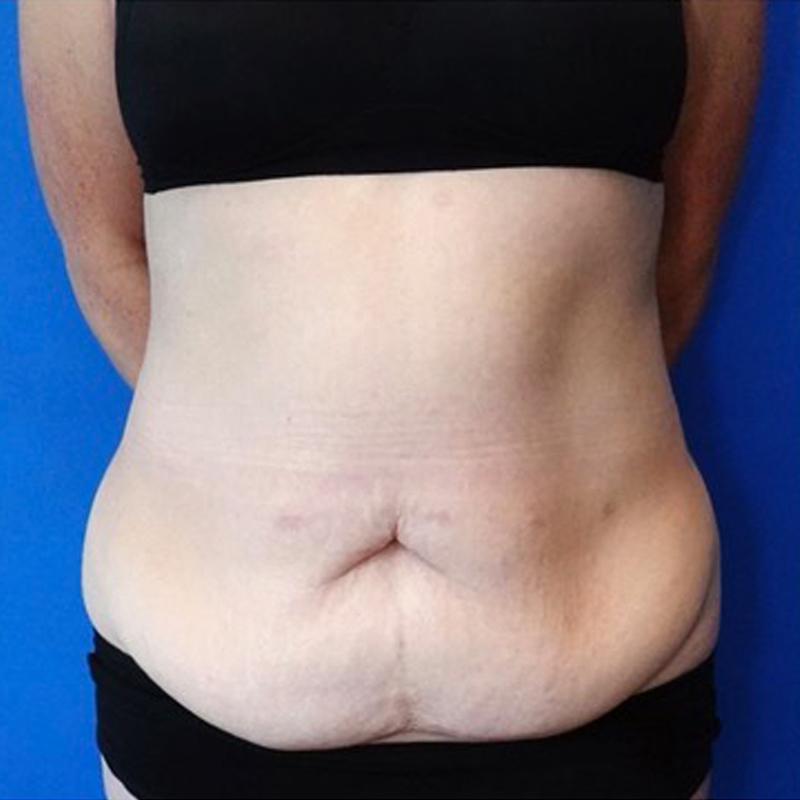
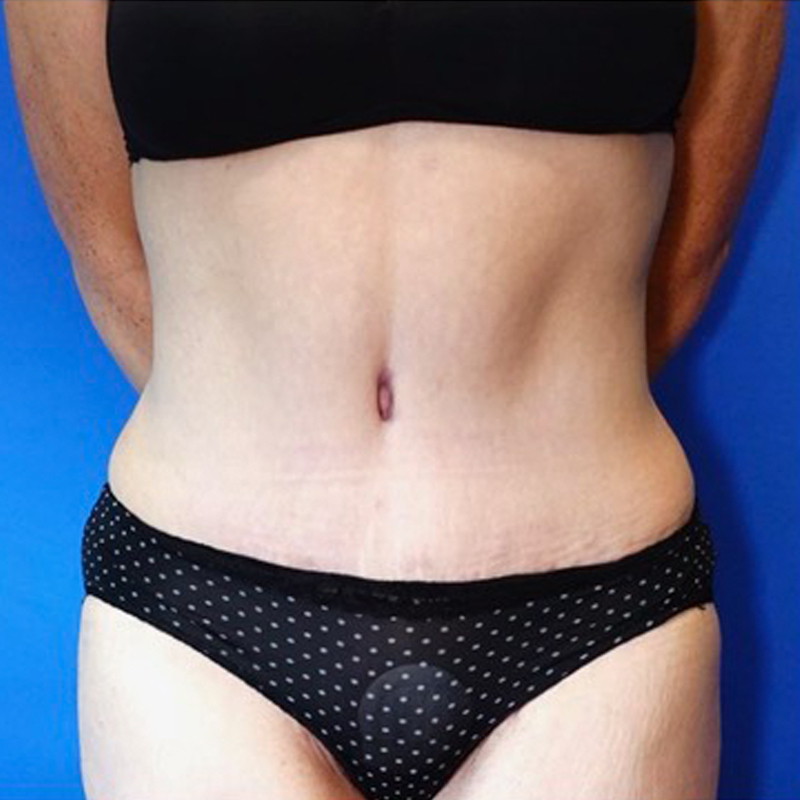
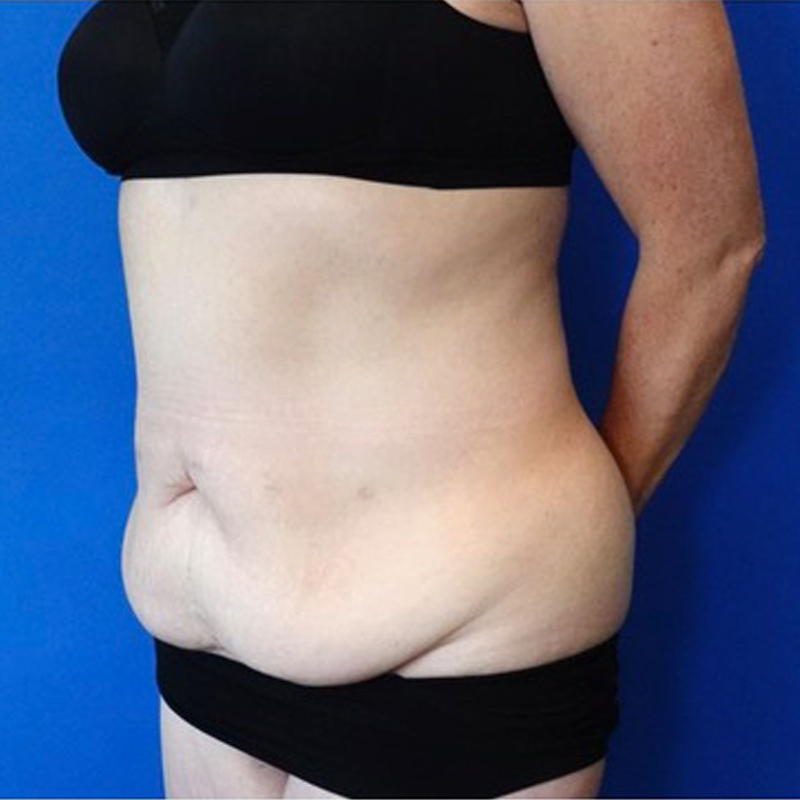
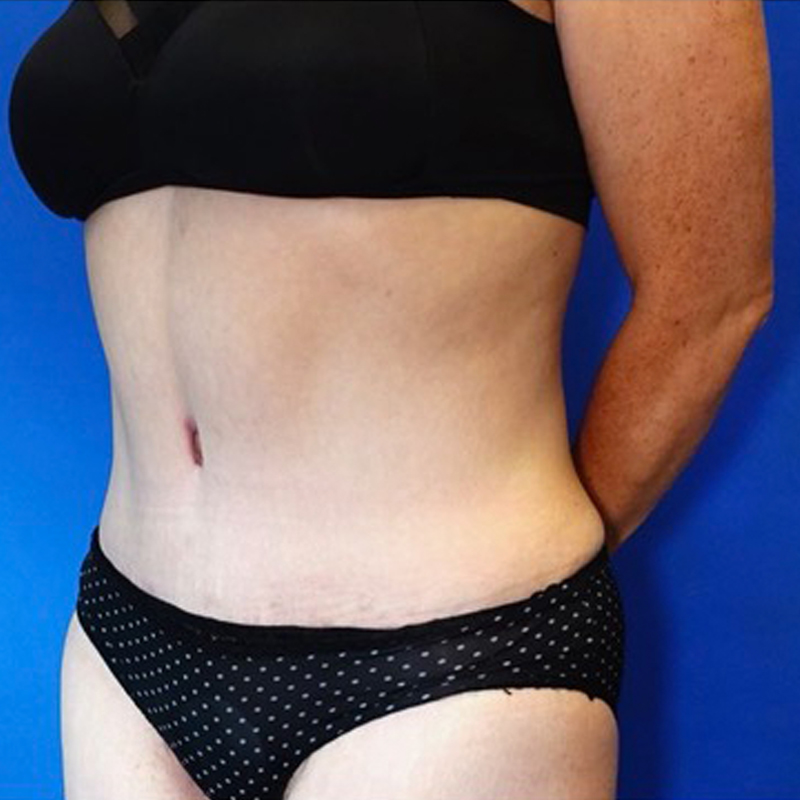
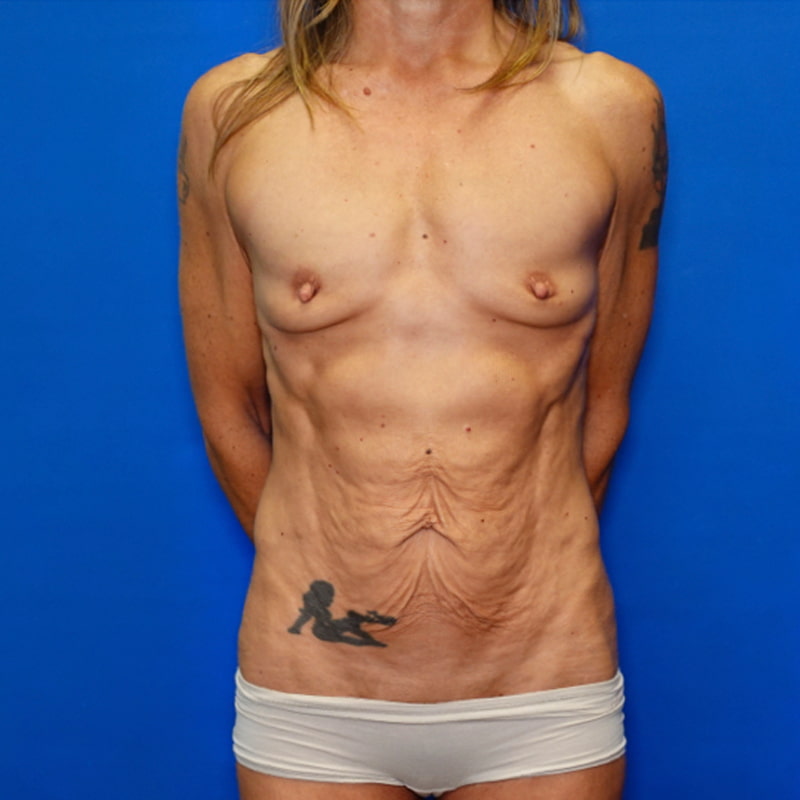
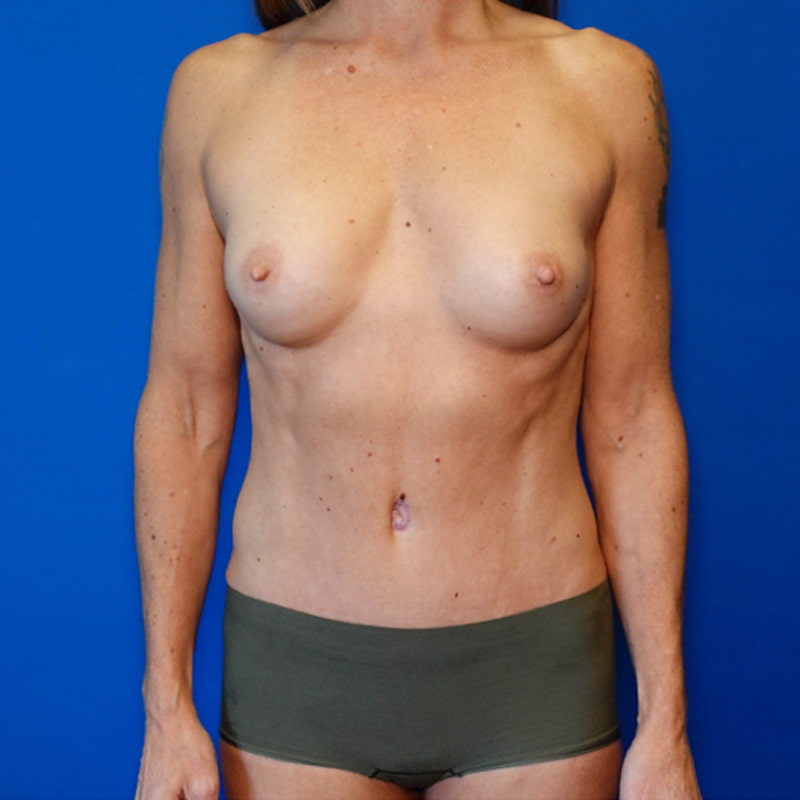
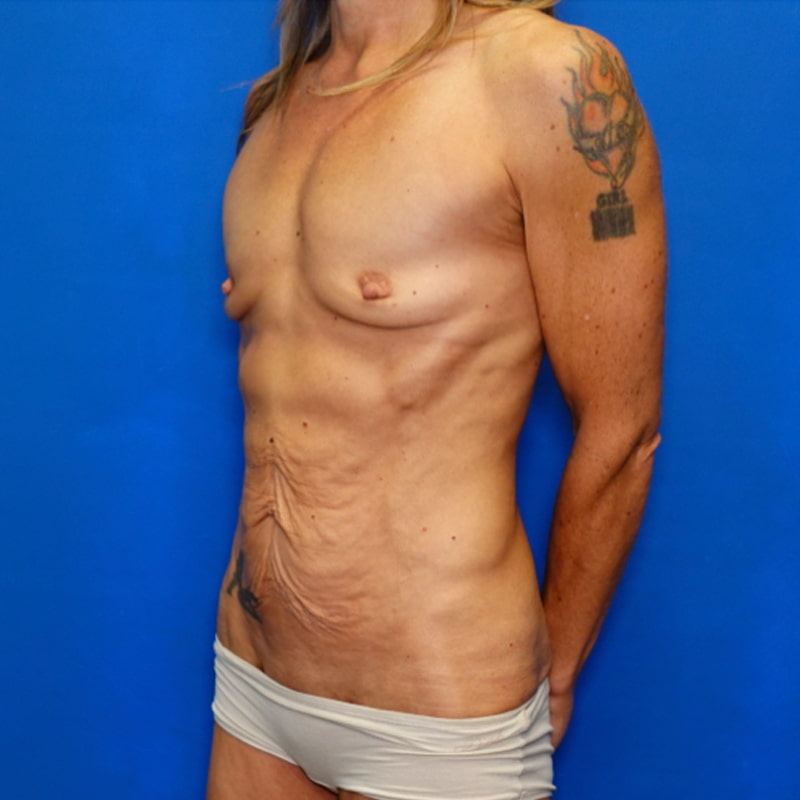
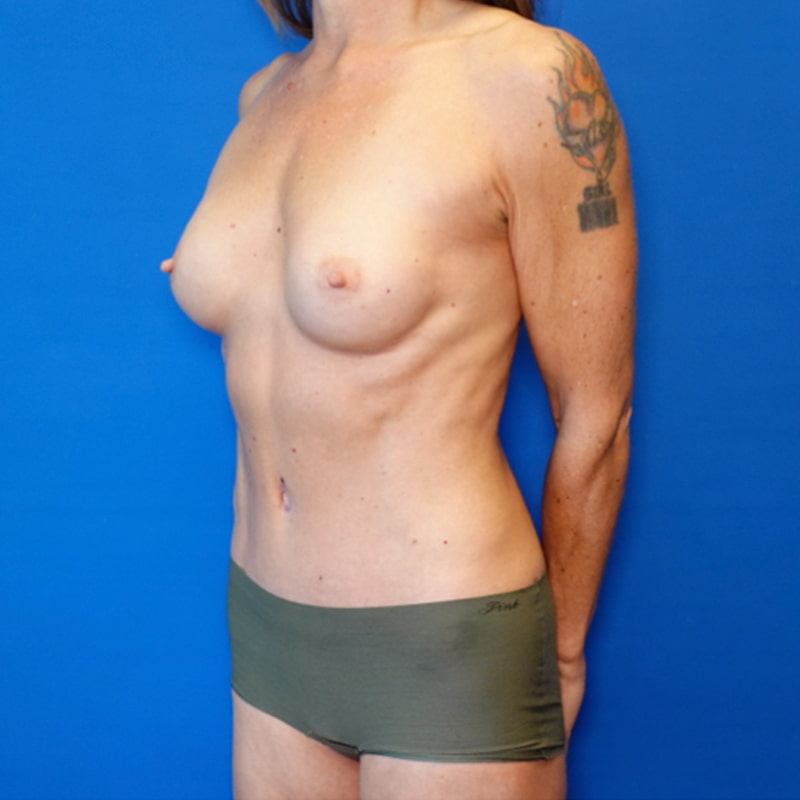
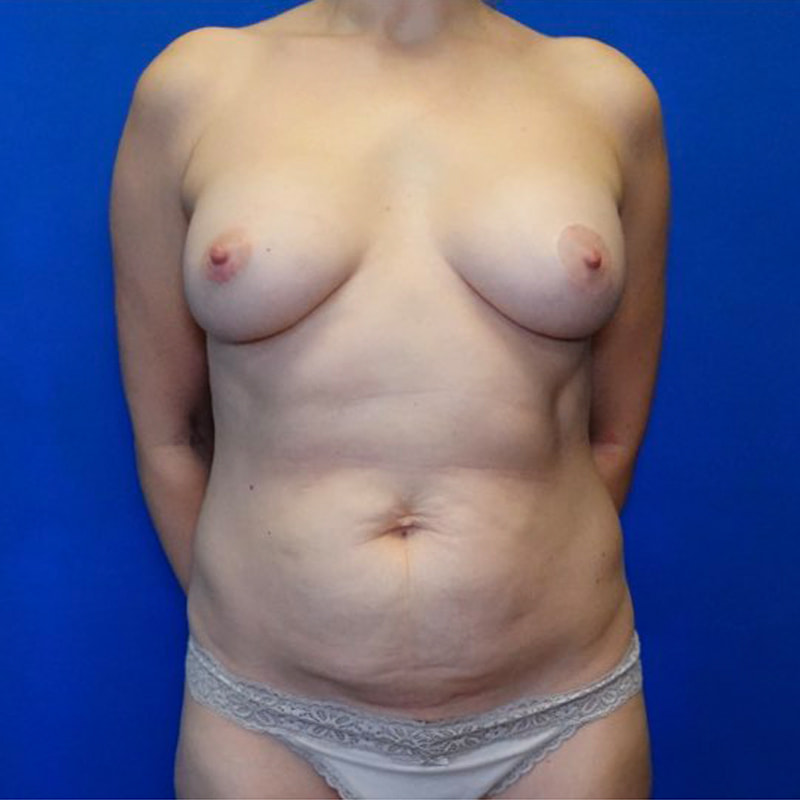
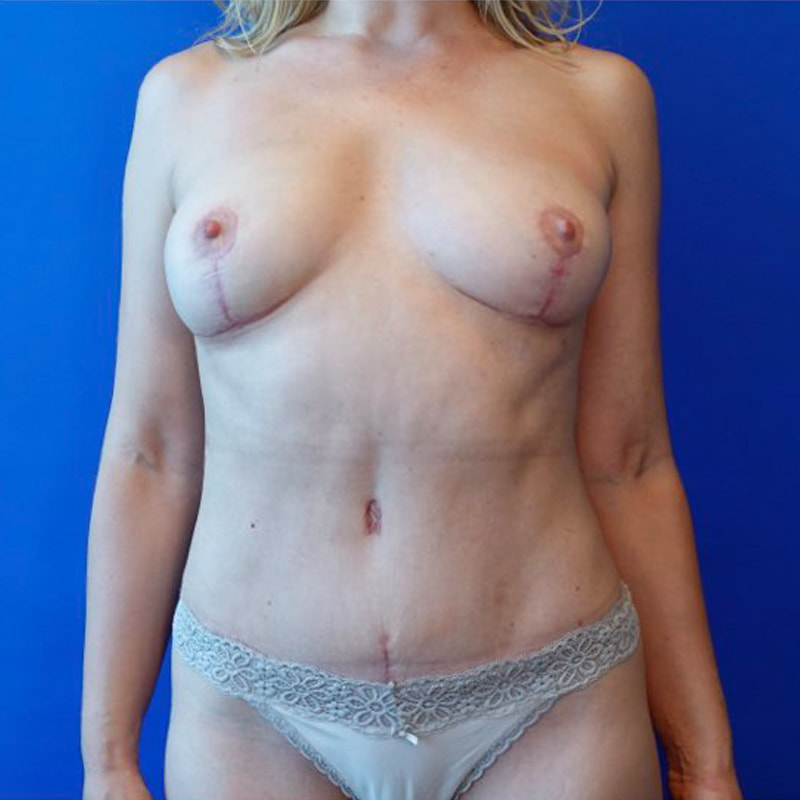
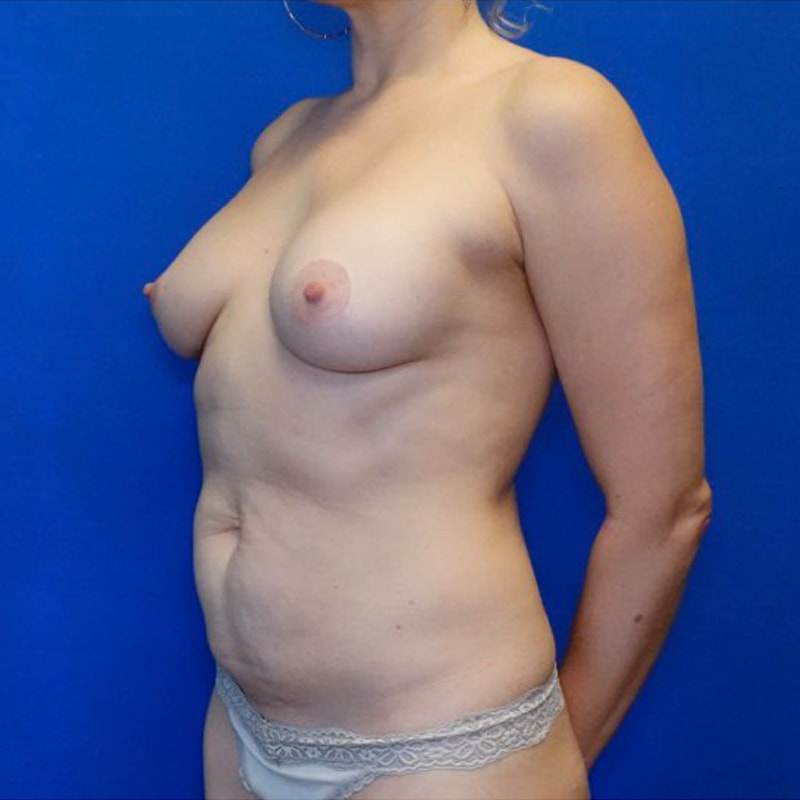
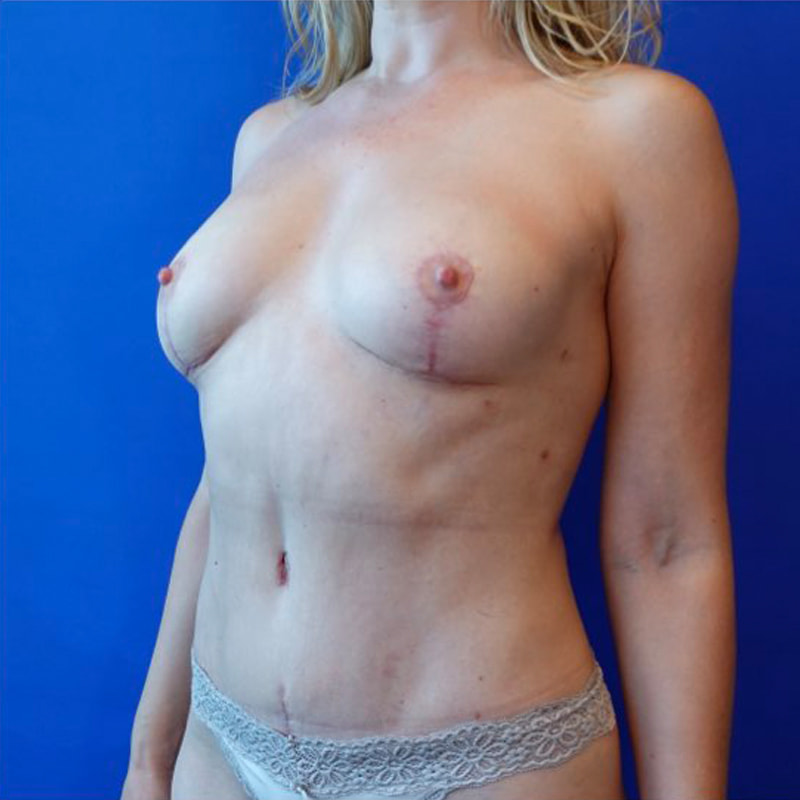
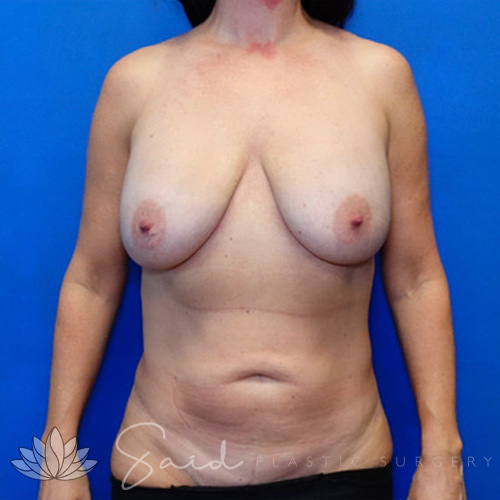
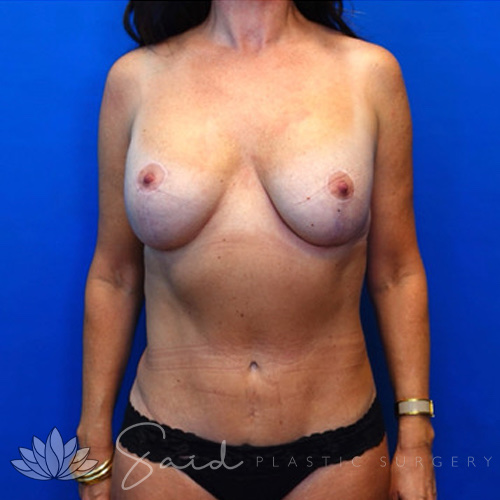
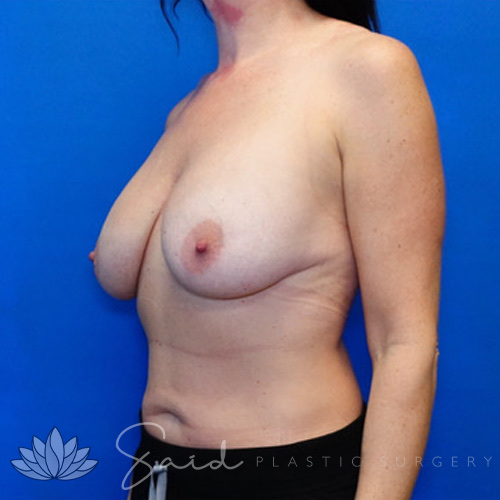
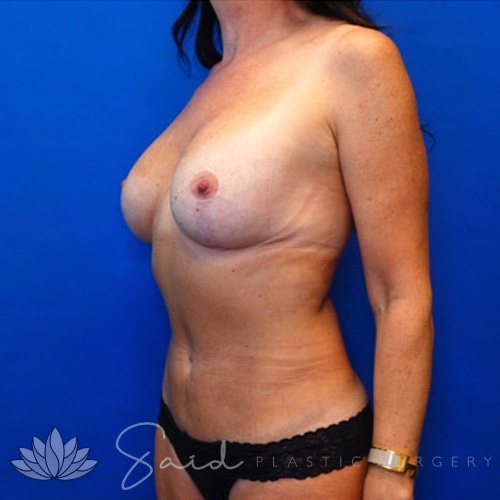
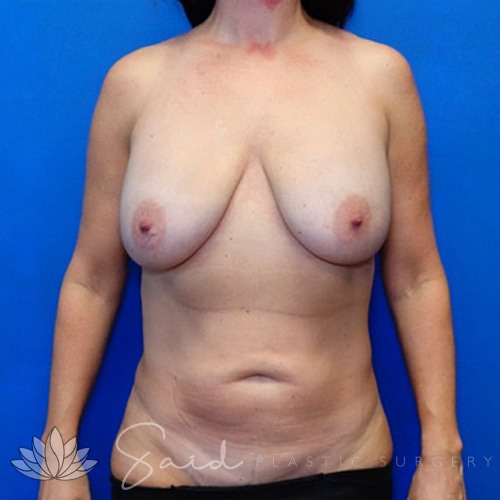
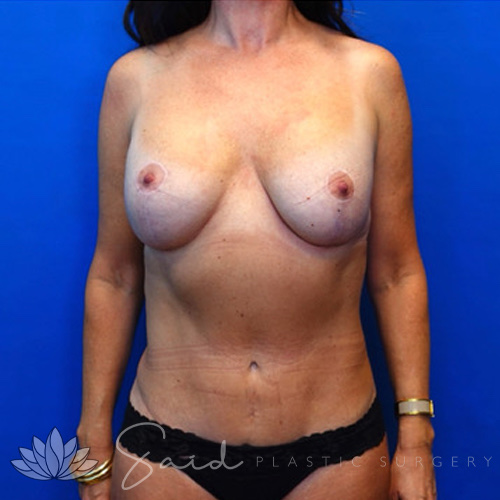
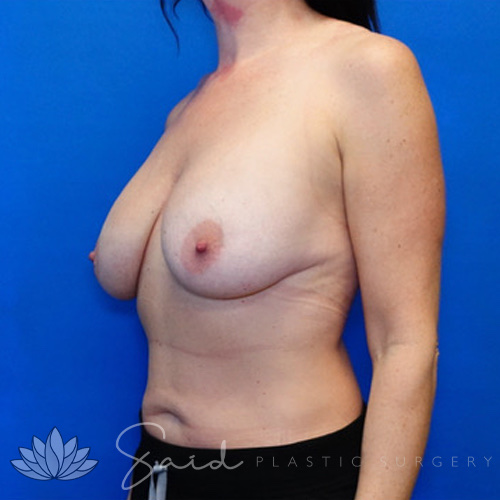
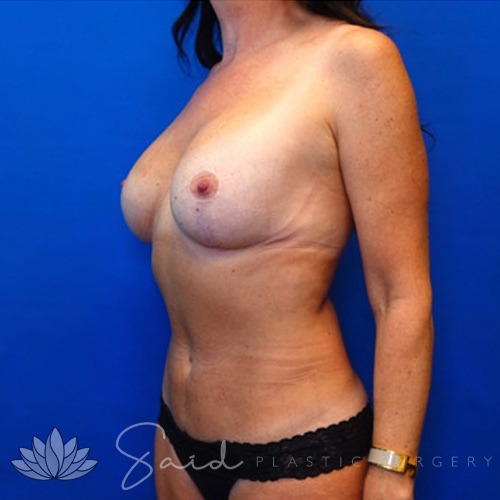
Tummy Tuck in Seattle, WA

You can strengthen your core, maintain a stable weight, and take good care of your body, but still be left with an abdomen that doesn’t respond. Loose skin can’t be exercised away, and separated abdominal muscles may keep the stomach looking rounded despite consistent effort. These changes can remain long after your weight and exercise routine have stabilized.
A tummy tuck can address the skin and structural changes that healthy habits cannot reach. Dr. Hakim Said creates individualized tummy tuck plans for Seattle patients, combining precise abdominal-wall repair, thoughtful skin removal, and careful contouring when appropriate. His goal is a smoother, firmer midsection that looks balanced with the rest of your body and feels true to the work you’ve put in.






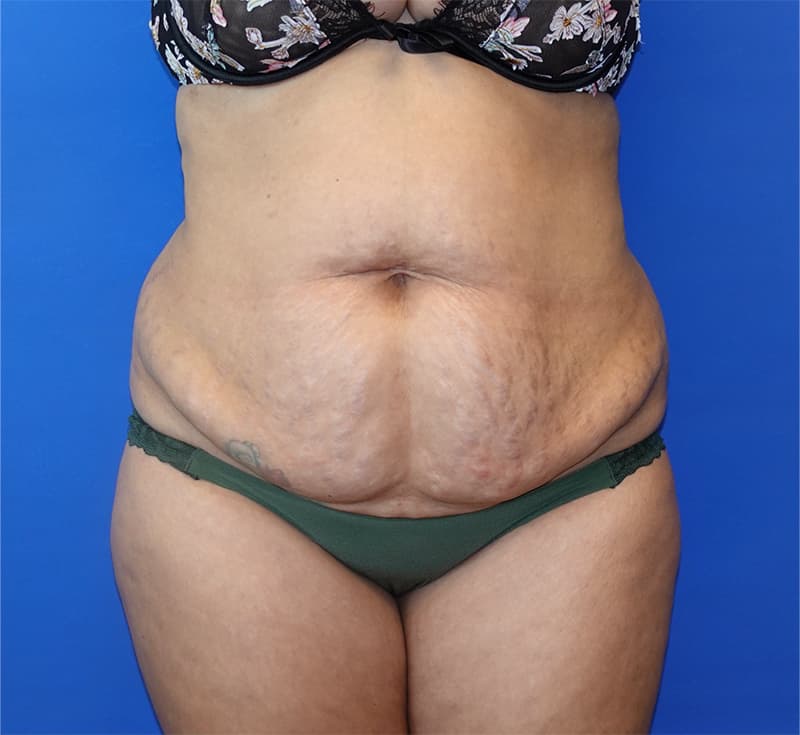
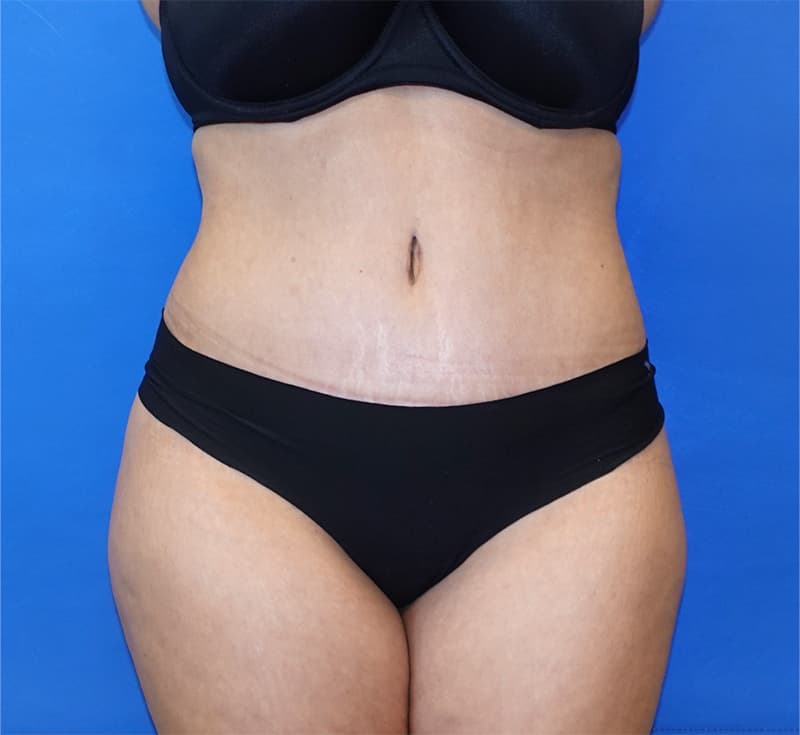
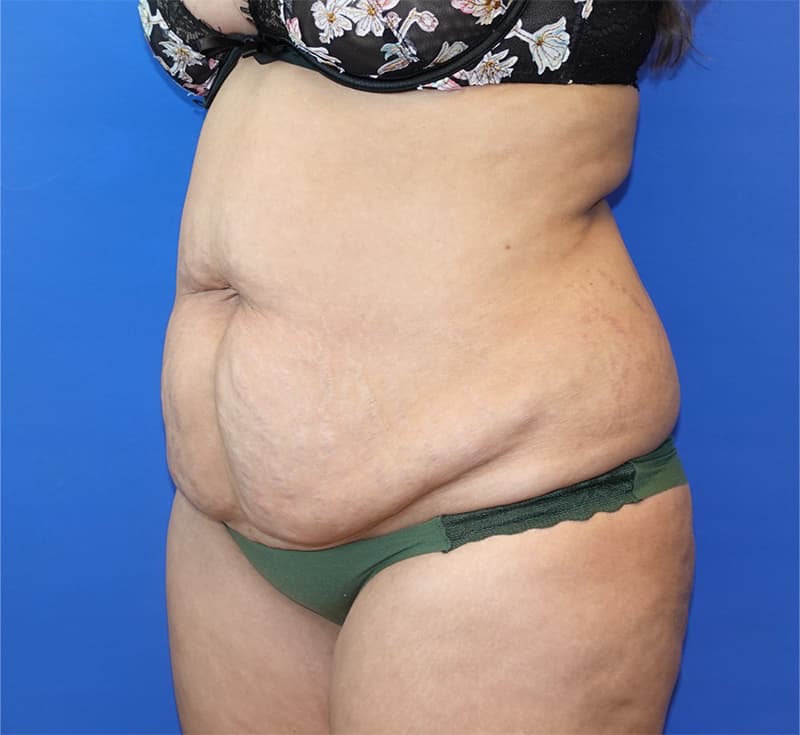
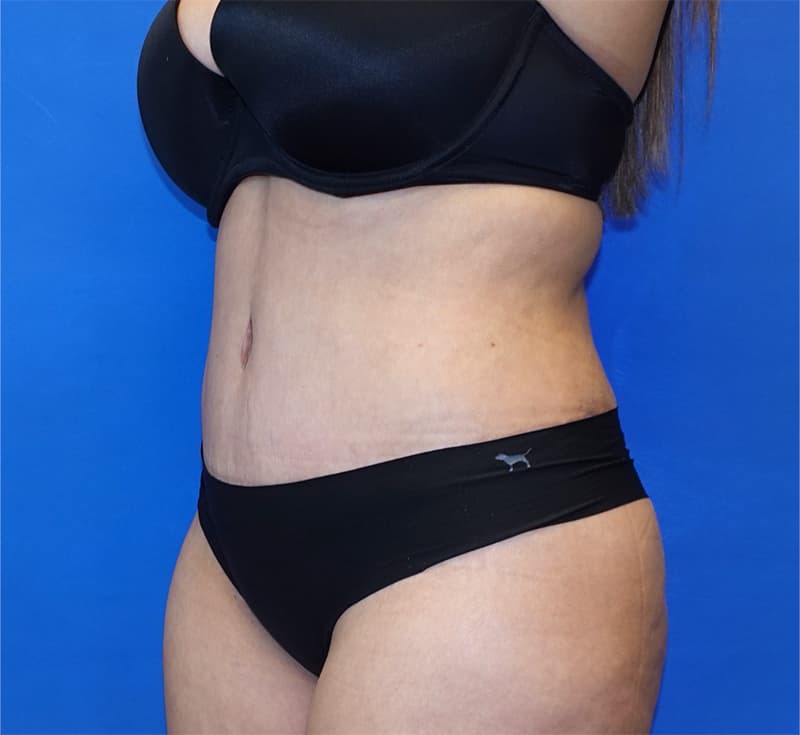
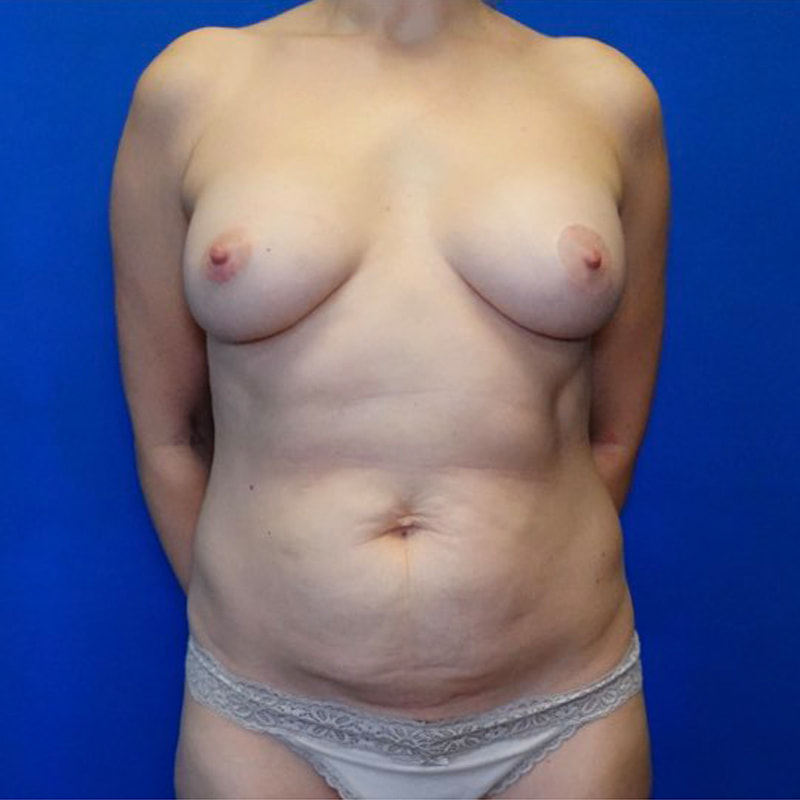
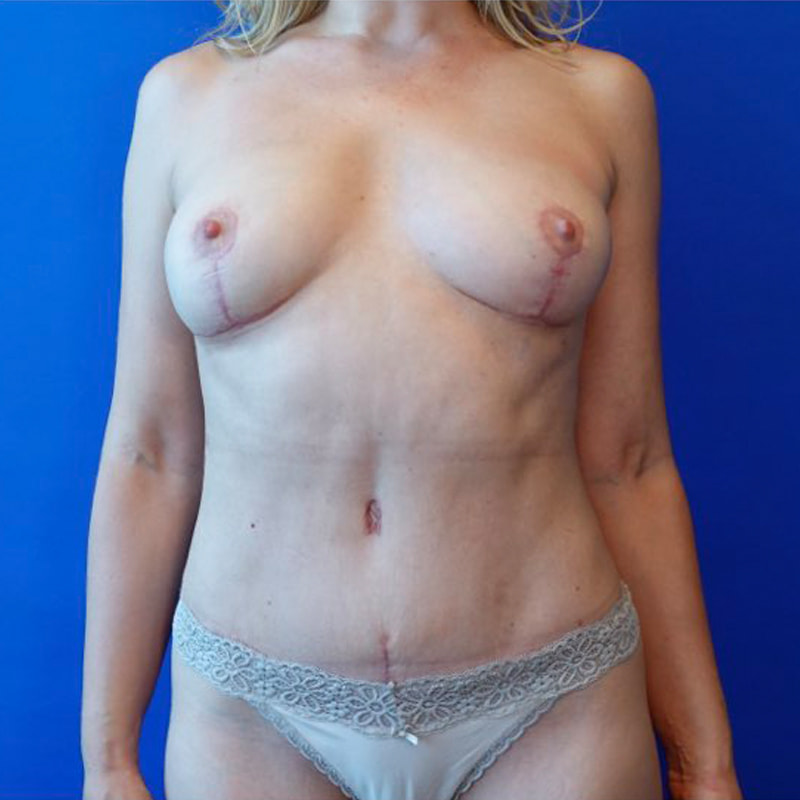
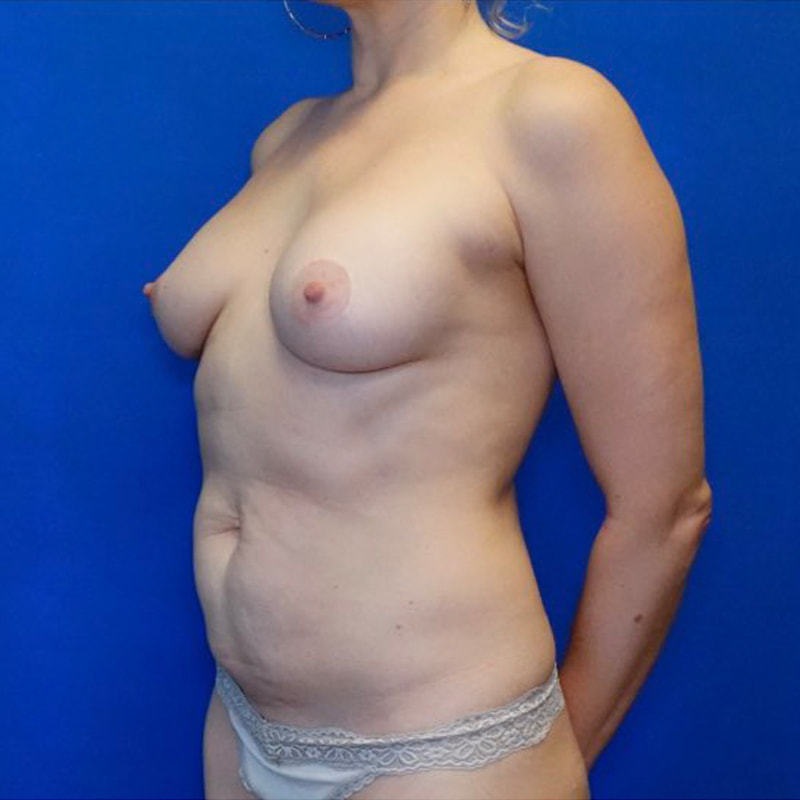
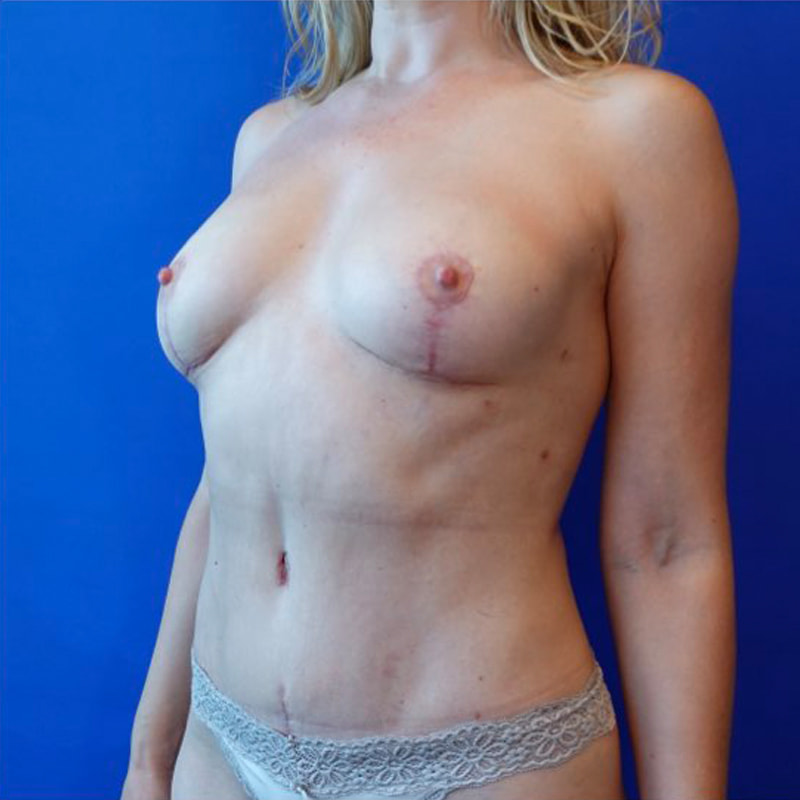
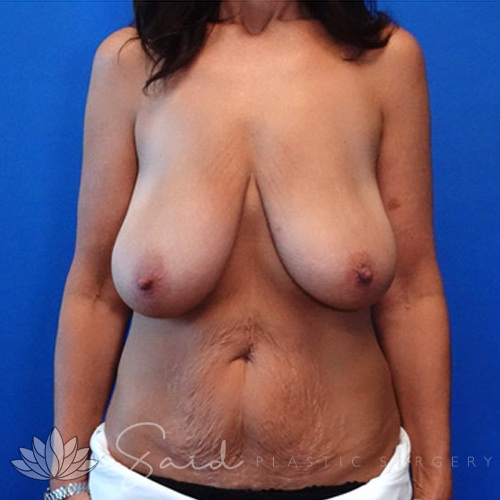
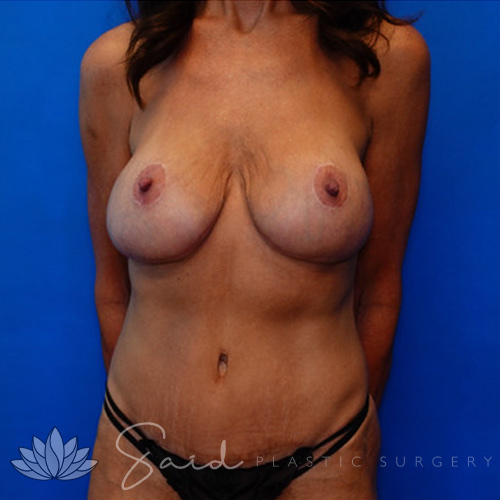
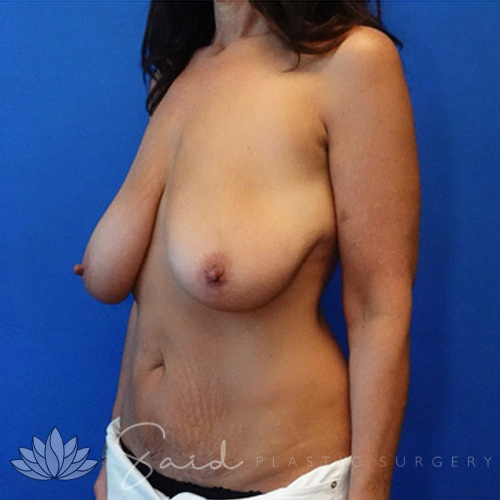
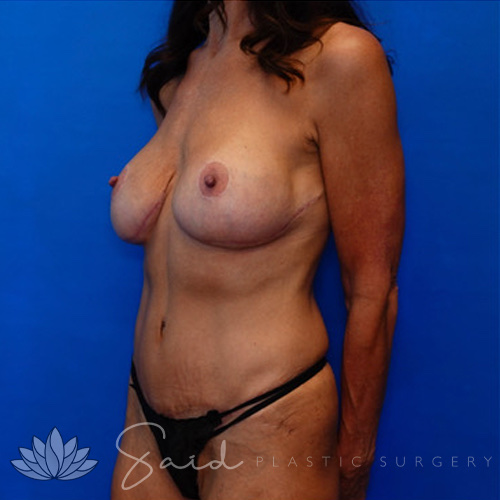
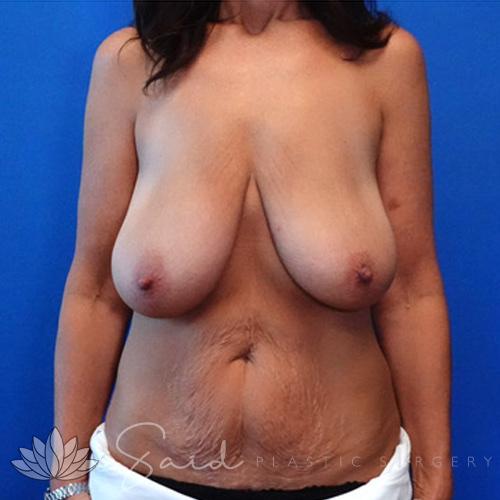
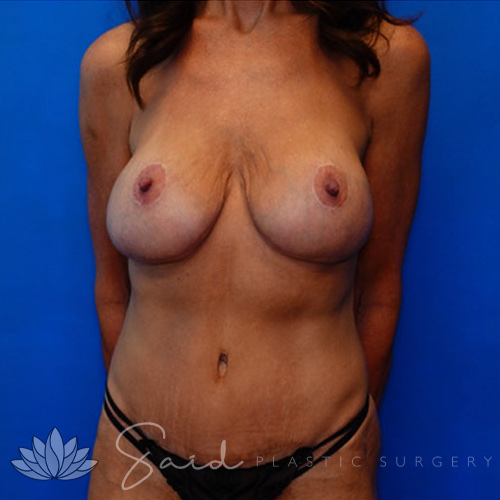
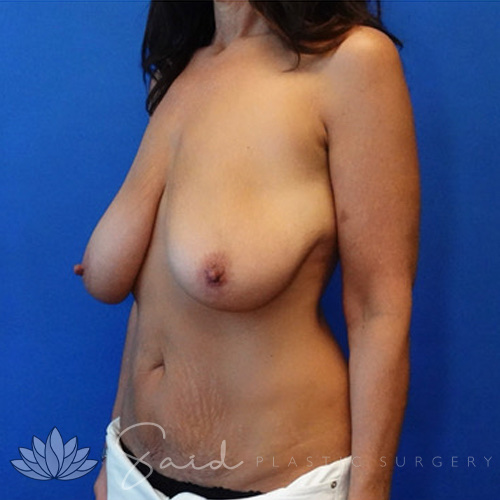
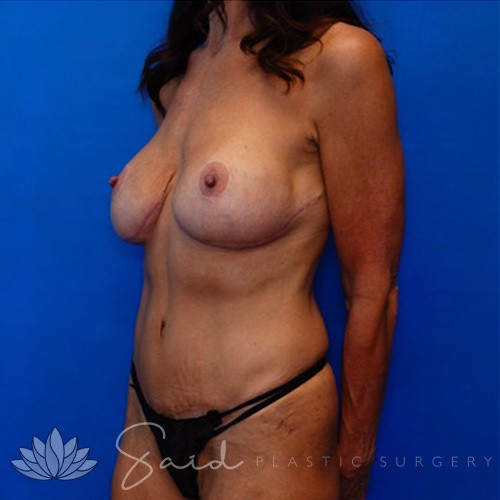
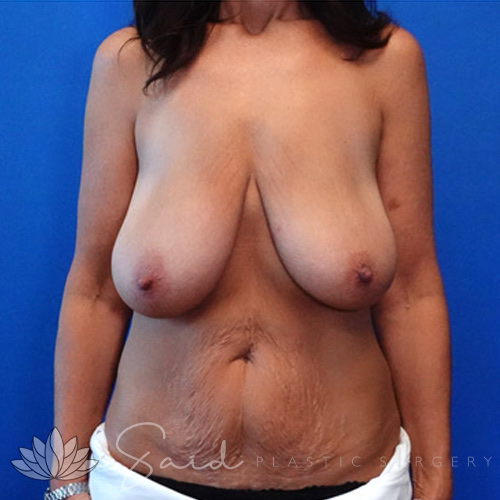
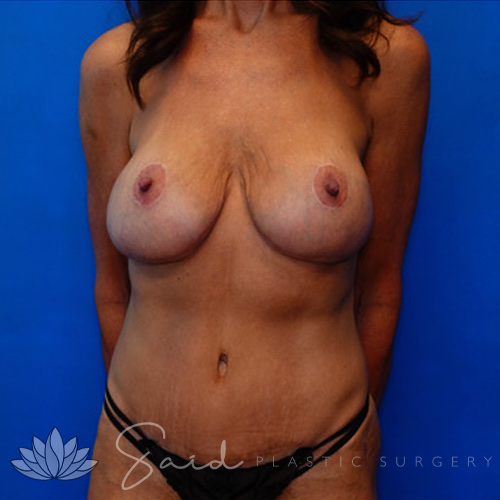
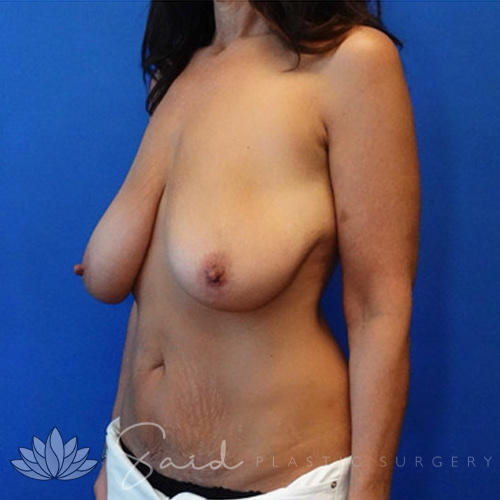
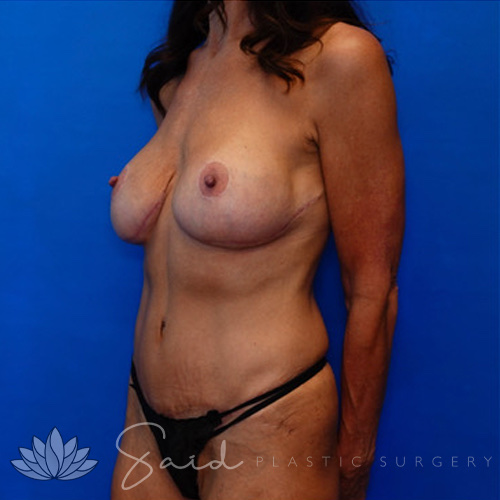
A tummy tuck, or abdominoplasty, is a plastic surgery procedure that removes excess skin and fat from the abdomen. If pregnancy or weight changes have stretched the connective tissue over the abdominal muscles, internal sutures can tighten the abdominal wall. Liposuction may also be used to reduce localized fat and smooth the waist or flanks. The procedure can improve a protruding stomach area, sagging skin, and excess abdominal skin after pregnancy or substantial weight loss. The best time to consider surgery is when your weight is stable, a tummy tuck doesn’t take the place of weight loss.
A tummy tuck, or abdominoplasty, is a plastic surgery procedure that removes excess skin and fat from the abdomen. If pregnancy or weight changes have stretched the connective tissue over the abdominal muscles, internal sutures can tighten the abdominal wall. Liposuction may also be used to reduce localized fat and smooth the waist or flanks. The procedure can improve a protruding stomach area, sagging skin, and excess abdominal skin after pregnancy or substantial weight loss. The best time to consider surgery is when your weight is stable, a tummy tuck doesn’t take the place of weight loss.
| Tummy Tuck | Details |
|---|---|
| Best For | Loose skin, muscle separation, localized fat, and changes after pregnancy or weight loss |
| Anesthesia | General anesthesia |
| Surgical Setting | Accredited outpatient facility in most cases |
| Procedure Time | Commonly one to five hours, depending on the technique and procedures included |
| Initial Downtime | Most patients plan about two weeks away from nonphysical work; some need longer |
| Exercise | Strenuous activity is commonly restricted for six to eight weeks |
| Results | Immediate improvement with continued refinement as swelling resolves |
| Scars | Permanent, low abdominal scar; length varies by technique |
 Swipe To Next
A tummy tuck can address several concerns in one operation:
A tummy tuck can’t remove visceral fat inside the abdominal cavity, prevent future weight changes, or eliminate every stretch mark. Some patients report less lower back discomfort after abdominal-wall repair, but pain relief is never guaranteed.
You may be a good candidate if you’re healthy, have realistic expectations, and are at a stable weight. You should also understand the expected scar, have enough help for recovery, and stop smoking or using nicotine as directed. Nicotine restricts blood flow and increases the risk of poor wound healing and other complications.
It may be better to wait if you are still pursuing substantial weight loss, plan future pregnancies, or have a medical condition that increases surgical or anesthesia risk. You don’t need to reach an arbitrary “ideal weight,” but stability matters. Significant weight loss after surgery can create new loose skin, while weight gain can stretch the result.
There are several types of tummy tuck. The right one depends on where your loose skin sits, how far it extends around the torso, the condition of your abdominal wall, and the incision needed to create an even contour.
A mini tummy tuck treats limited loose skin below the belly button. It uses a shorter incision than a traditional tummy tuck and usually does not require an incision around the navel. Despite its name, the mini tummy is appropriate for a narrow group of patients rather than a simpler substitute for full correction.
A full tummy tuck treats excess skin above and below the belly button. The surgeon performs abdominal-wall repair when needed, removes excess skin, and brings the existing belly button through a new opening in the redraped skin. The horizontal incision usually sits low between the pubic region and lower abdomen.
An extended tummy tuck uses a longer incision to treat excess skin that continues onto the flanks. It may be appropriate after significant weight loss or when laxity extends beyond the front of the abdomen.
A fleur-de-lis tummy tuck adds a vertical incision to correct substantial skin laxity in two directions. A 360-degree abdominoplasty treats loose tissue around the torso. High lateral tension abdominoplasty is another specialized technique that places more shaping tension toward the outer abdomen and thighs. These extensive procedures are most common after major weight loss and require a longer recovery.
Liposuction removes localized fat but does not remove substantial loose skin or repair separated abdominal muscles. A tummy tuck removes excess skin and can tighten the abdominal wall. When excess skin and fat both affect the result, the two procedures may be combined. If an overhanging lower abdominal fold is the primary concern, a panniculectomy may be another option, although it generally doesn’t include the muscle repair and aesthetic contouring of tummy tuck surgery.
Your consultation is where the plan begins. Dr. Said will ask what bothers you, what you hope to change, and what would make the surgery feel worthwhile. He’ll also review your weight history, medications, nicotine use, previous surgeries, health conditions, and plans for pregnancy. The exam looks at your skin, fat distribution, abdominal muscles, belly button, and existing scars.
Preparation may include medical testing, medication adjustments, nicotine cessation, and maintaining balanced nutrition so your body can heal. Do not stop prescribed medication without medical direction. Arrange for a responsible adult to drive you home and help during early recovery. Parents also need support with childcare because lifting will be restricted.
Tummy tuck surgery is usually an outpatient procedure performed under general anesthesia. It may take one to five hours, depending on the plan. Dr. Said makes a horizontal incision low on the abdomen, generally above the pubic hair. Its length depends on how much skin needs to be removed and where it sits.
When muscle repair is needed, Dr. Said tightens the connective tissue over the loose muscles with internal sutures. He then draws the abdominal skin downward, removes excess abdominal skin and fat, and closes the incision site in layers. During a full tummy tuck, the original belly button remains attached underneath and is brought through a carefully planned opening.
Liposuction may refine the flanks or waist. Temporary drainage tubes can remove excess fluid during early healing. Some patients are candidates for a drainless tummy tuck, which uses internal sutures to reduce the space where fluid can collect. Dr. Said will recommend the option that makes the most sense for your surgery.
The first week usually brings soreness, swelling, tightness, and slower movement. Pain medication and clear aftercare instructions help make this stage manageable. You will need plenty of rest, but short, gentle walks are encouraged to support circulation and reduce the risk of blood clots.
Most patients plan about two weeks away from desk-based work. Some need three weeks or longer, especially after an extended tummy tuck, combined surgery, or a job involving physical activity. A compression garment is typically worn to control swelling and support the abdominal area. If drains are used, the team will explain care and schedule drain removal based on fluid output and healing.
Strenuous exercise and heavy lifting are usually restricted for six to eight weeks. Swelling, numbness, and firmness improve over several months. Follow your restrictions and call the practice if something does not feel right.
A scar is part of every tummy tuck. With a traditional tummy tuck, it runs horizontally across the lower abdomen. Dr. Said places it as low as your anatomy and surgical plan allow, but it must be long enough to remove the loose skin without leaving bunching at the sides. Fleur-de-lis and circumferential procedures require additional scars.
The tummy tuck scar may initially look pink, firm, or raised. It commonly softens and fades over a year or longer, although it will not disappear. Genetics, skin tone, tension, sun exposure, nicotine use, infection, and individual healing influence the final appearance.
Patients see an immediate improvement in abdominal shape, but swelling hides the final contour at first. Results become clearer over the following months and can remain long-lasting with a stable weight. Aging continues, and future pregnancies or major weight changes can alter the skin and muscle repair.
Like any major surgery, a tummy tuck has risks. These include bleeding, infection, seroma, poor healing, noticeable scarring, changes in sensation, asymmetry, tissue damage, blood clots, anesthesia complications, and possible revision surgery. Medical screening, careful planning, an accredited surgical facility, qualified anesthesia care, and close follow-up all help reduce avoidable risk.
Patients also play an active role. Follow all instructions involving nicotine, medications, walking, compression, incision care, and activity. Contact the practice promptly if recovery does not seem to be progressing normally.
A tummy tuck can be combined with liposuction, breast augmentation, breast lift, or another cosmetic surgery as part of a mommy makeover. Combining plastic surgery procedures may reduce the number of separate recovery periods, but longer operations also increase physical demands. Dr. Said may recommend staging extensive surgery when separate procedures provide a safer, more manageable plan.
No two tummy tucks have exactly the same cost. Pricing depends on the technique, muscle repair, amount of skin removal, liposuction, anesthesia, facility care, and any additional procedures. After examining your abdomen, Dr. Said will provide a plan and detailed quote. Financing is available through CareCredit, Cherry, and PatientFi for qualified patients.
Hakim Said, MD, FACS, is a fellowship-trained plastic surgeon certified by the American Board of Plastic Surgery. He has more than 20 years of experience in aesthetic and reconstructive surgery. His training includes Northwestern University and a microsurgical reconstruction fellowship at MD Anderson Cancer Center. He has also served as a longtime University of Washington faculty member.
Dr. Said approaches surgery as a planner, technician, and educator. He considers your full torso, your health, and the realities of recovery before making a recommendation. His philosophy favors natural proportion, careful execution, honest guidance, and a plan built around what is right for you.
Choosing a board-certified plastic surgeon is an important safety decision. Review the surgeon’s training, accredited facility, patient reviews, and before-and-after photos. Ask how regularly the surgeon performs tummy tuck procedures and use the consultation to assess how clearly your questions are answered. Dr. Said and his team support patients from preparation through postoperative care, with detailed instructions and accessible follow-up throughout the healing process.
If excess abdominal skin or muscle separation continues to affect your shape, meet with Dr. Said to discuss your options. He will evaluate your anatomy, explain what tummy tuck surgery can realistically accomplish, and provide a personalized treatment and recovery plan.
Call Said Plastic Surgery or request your consultation online.
No. A tummy tuck reshapes the abdominal area by removing loose skin and repairing the abdominal wall when needed. It is most appropriate after weight loss has stabilized, not as a substitute for losing weight.
Soreness and tightness are expected, especially when muscle separation is repaired. Discomfort is usually strongest during the first week and improves as healing progresses. Dr. Said provides pain medication guidance and instructions for moving and resting comfortably.
Most patients need about two weeks of initial downtime, although some need longer. Heavy lifting and strenuous exercise are generally restricted for six to eight weeks. Swelling and scar maturation continue for several months.
It removes stretch marks located on the excess skin being excised, usually on the lower abdomen. Marks outside that area remain, although some may move lower when the skin is redraped.
Yes. The surgeon can tighten the connective tissue over separated abdominal muscles during the procedure. Dr. Said will examine the abdominal wall to determine if repair belongs in your plan.
Some patients need temporary drains to remove excess fluid. Others may qualify for a drainless tummy tuck. The technique and extent of surgery determine which approach is safer.
Pregnancy is possible, but it can stretch the abdominal muscles and skin again. Most patients wait until they do not plan to have more children so future pregnancy does not compromise their results.
Results can last for many years when weight remains stable. Aging, major weight gain or loss, and pregnancy can change the abdominal area over time.
Got a question? CALL (206) 467-1101
or use this online form