Breast Implants Should Fit Your Frame: Why the Same Size Looks Different on Everyone Said Plastic Surgery

When we talk to patients about breast implant sizing, we explain that there isn’t a single “right” size for everyone. The same implant might look subtle on one person but much too full on someone else. Everyone’s chest shape, breast contour, and tissue amount is unique. The best way to choose an implant starts with your anatomy, and then takes into consideration how much fullness, projection and what shape you are looking for. This approach is more helpful than just focusing on a cup size or cc number.
Breast implants are measured in cubic centimeters, or cc’s. This shows how much volume is inside the implant, but it doesn’t say much about the weight or what your breasts will look like after surgery.
Your starting breast size matters a lot. The width of your chest, how much breast tissue covers the implant, and how that tissue sits on your chest are also important. Someone with very little breast tissue may see a bigger change from an implant that gives just a small boost to someone who already has more volume.
This is also why cup size isn’t a precise way to choose an implant. Bra sizing changes a lot between brands. Saying you want to be “around a C cup” helps give an idea of your goal, but it isn’t a measurement your surgeon can directly use to pick an implant size.
People sometimes think “fit your frame” means your height or weight decides how large you can go. These details help, but planning breast augmentation is much more specific. One measurement we check is the width of the breast where it meets the chest. After all, the breast is designed to sit within a nest of ligaments that hold it in place. We call those ligaments the circummammary ligaments. Ideally, the implant should fit well in that space. We also look at the shape of your chest wall, the position of each breast, and any differences between the two sides. That’s why two women with the same height and similar build might get very different recommendations. Their breast anatomy can be quite different.
Your Existing Breast Tissue Makes a Difference
The implant isn’t on its own. Your breast tissue and skin need to cover and support it. If your tissue is thin, the edges of an implant may be easier to see or feel. Someone with more existing breast tissue has more coverage. Skin elasticity also affects how much extra volume and projection your breasts can support over time.
These are some reasons a board-certified plastic surgeon might suggest an implant that’s a bit different from the one you first wanted. The goal isn’t to talk you out of your desired look. It’s to find the option that gets as close as possible to your goal while working with your anatomy.
Asymmetry Is Part of the Planning Too
Almost no one starts with perfectly identical breasts. One typically has a bit more volume, sits a little higher, or has a different base shape. Sometimes, we use implants with different volumes or profiles on each side to help improve breast asymmetry. Other differences may come from the chest wall or the position of the breast, so changing implant size alone may not fully correct them. Understanding what an implant can and can’t change before surgery makes it easier to make informed choices about your results.
When people first look into breast implants, volume usually gets most of the attention. But there are several measurements to think about. Volume is the cc number. Width tells us how broad the implant is across its base. Profile tells us how far the implant projects forward from the chest.
Two breast implants can have the same volume but very different shapes. A narrower implant may push more volume forward, while a wider implant spreads it across more of the chest. That’s why the profile can make a big difference in shape, even if the cc number is the same.
This is why it’s usually better to talk about the look you want instead of focusing on a single number. Do you prefer more projection, more upper breast fullness, or a softer slope? These details give your surgeon much more helpful information.
Absolutely. Choosing an implant that fits your frame doesn’t always mean picking a small size. Some people want a subtle change, while others prefer larger, rounder, fuller breasts. There are often several implant sizes and profiles that can work with your anatomy, so you have room to choose what you like best.
We need to be careful when increasing volume to avoid putting too much strain on the surrounding tissue. Larger implants add more weight and stretch to the skin and breast tissue. Depending on your anatomy, this can affect comfort and how well your breasts keep their shape over time.
There isn’t a single cc number where an implant suddenly becomes “too big.” That limit is different for everyone.
Once you start narrowing down the size and shape, there are other choices to consider, like what the implant is filled with. Saline breast implants have a silicone outer shell that is filled with sterile salt water. Silicone breast implants have a silicone shell filled with silicone gel. In the United States, the FDA approves saline-filled implants for breast augmentation in women age 18 and older and silicone gel implants for augmentation in women age 22 and older.
Implants also come in different shapes and surface types. Round implants are often used for augmentation, and smooth implants are available in many styles. Surface texture matters for safety: the FDA has found that the risk of breast implant-associated anaplastic large cell lymphoma, or BIA-ALCL, is higher with some textured implants. Other textures are designed to reduce inflammation
These choices are important and deserve their own discussion. But they don’t change the main sizing principle. Whether you choose saline or silicone, the implant still needs to fit your anatomy.
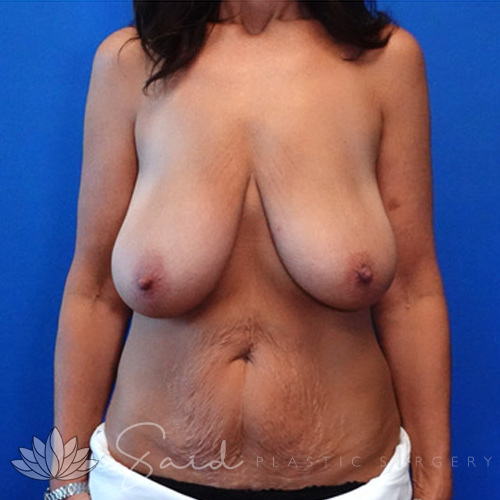
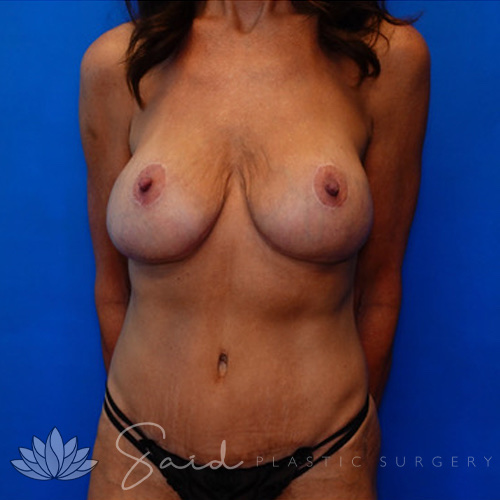
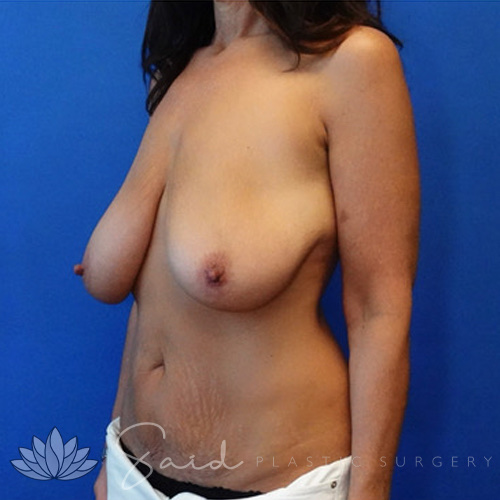
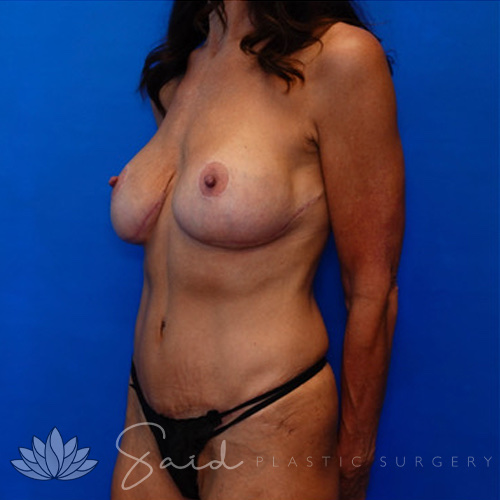
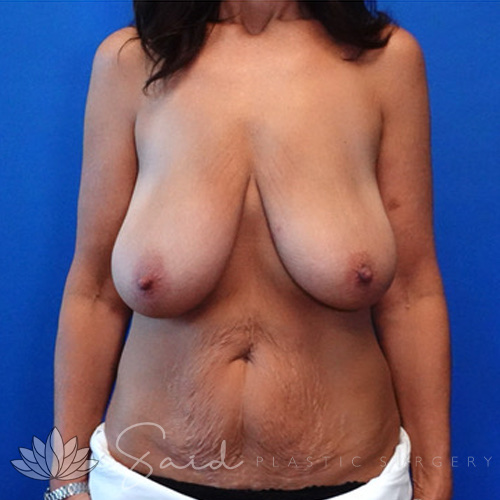
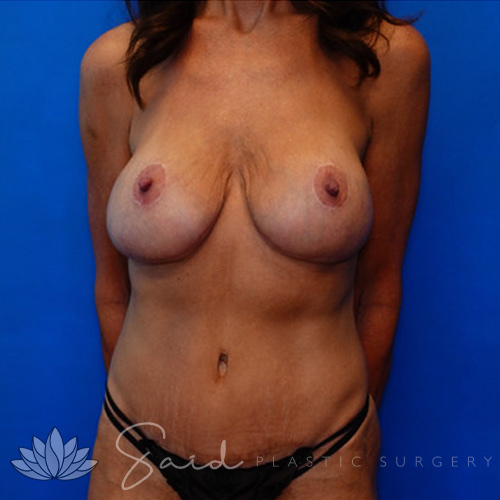
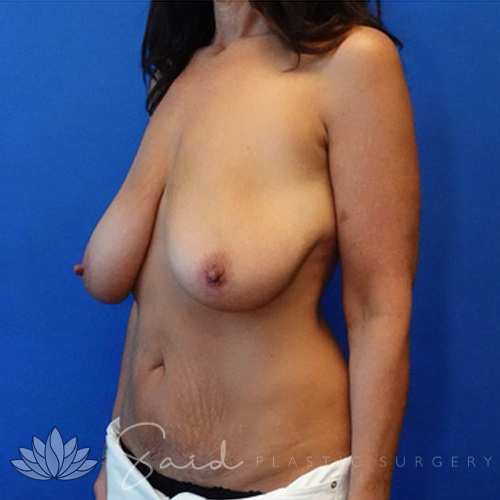
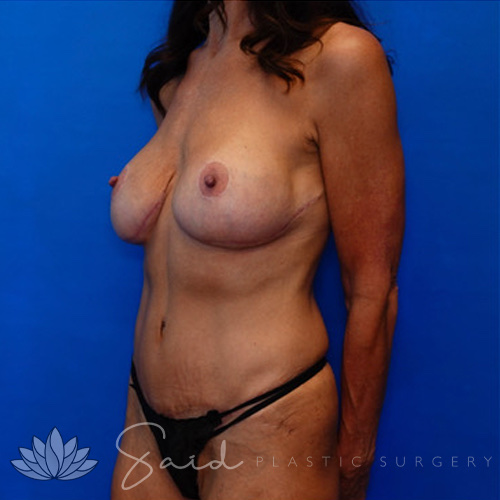
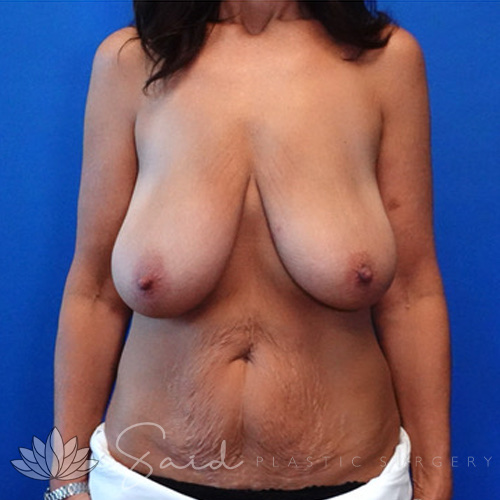
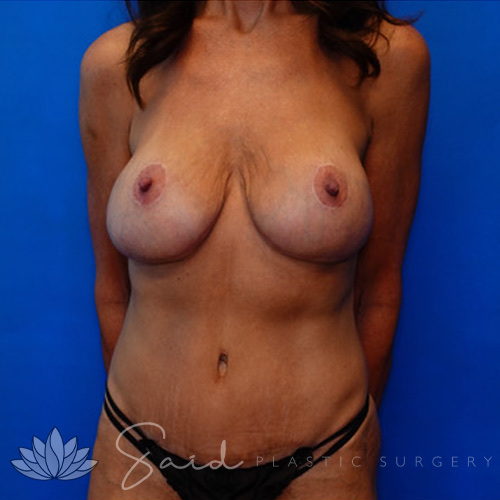
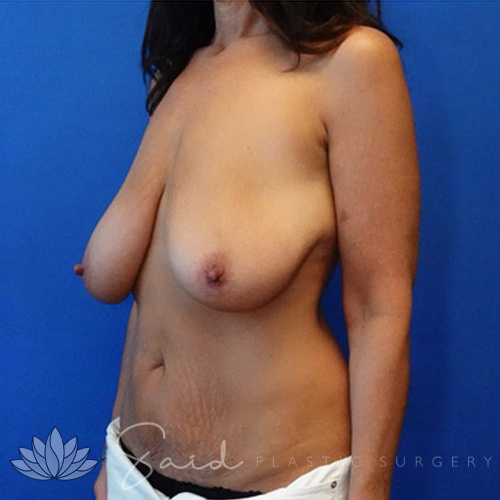
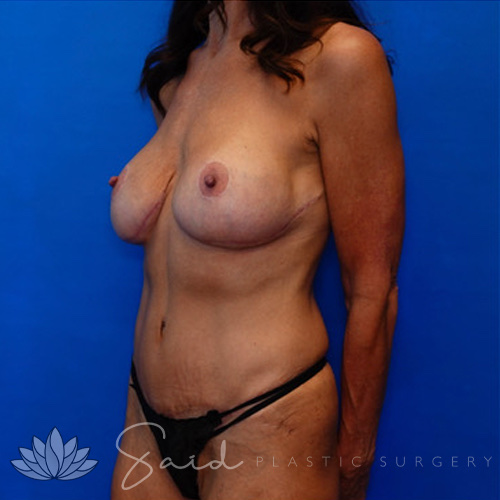
Another common situation is when someone has lost breast volume after pregnancy, weight changes, or aging, and also has some sagging. It’s easy to think that a larger implant will just fill out loose skin. Sometimes, breast augmentation alone can work if the sagging is mild. But with more significant sagging, a bigger implant may add fullness without lifting the breast to the position you want, and the additional weight can make things worse.
A breast lift can improve breast position and remove extra skin, while an implant only adds volume. Some people need just one procedure, while others may benefit from both.
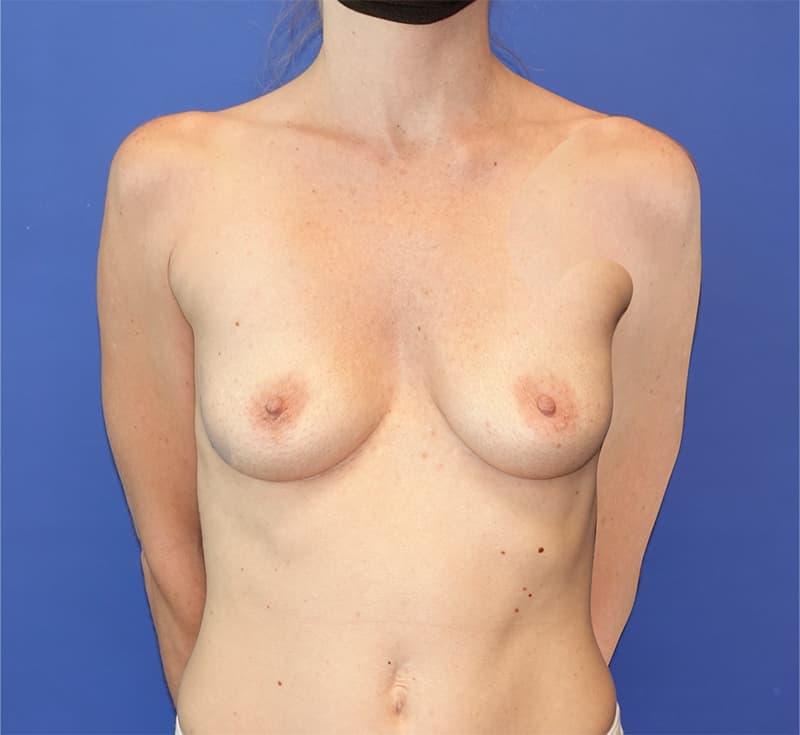
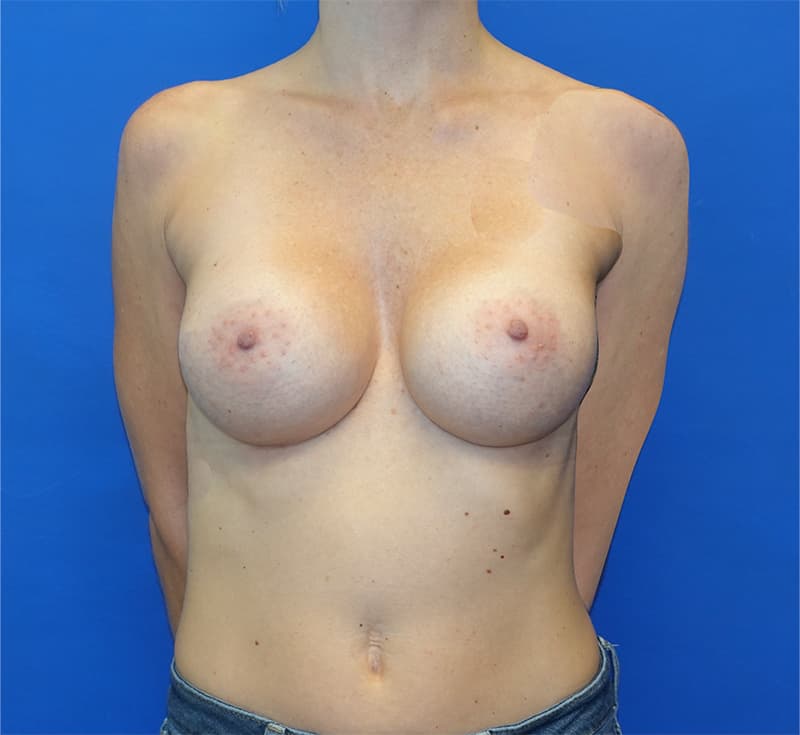
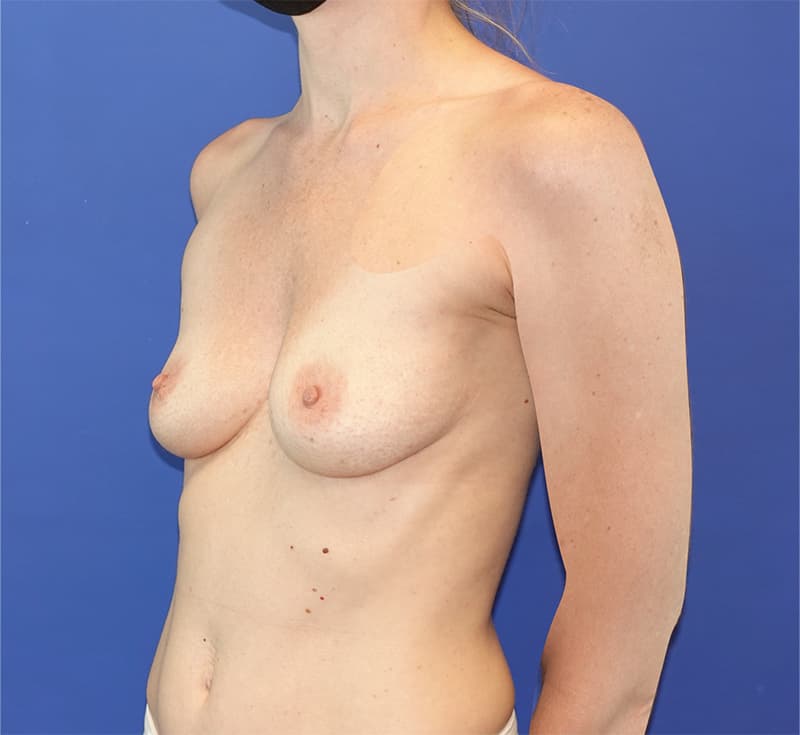
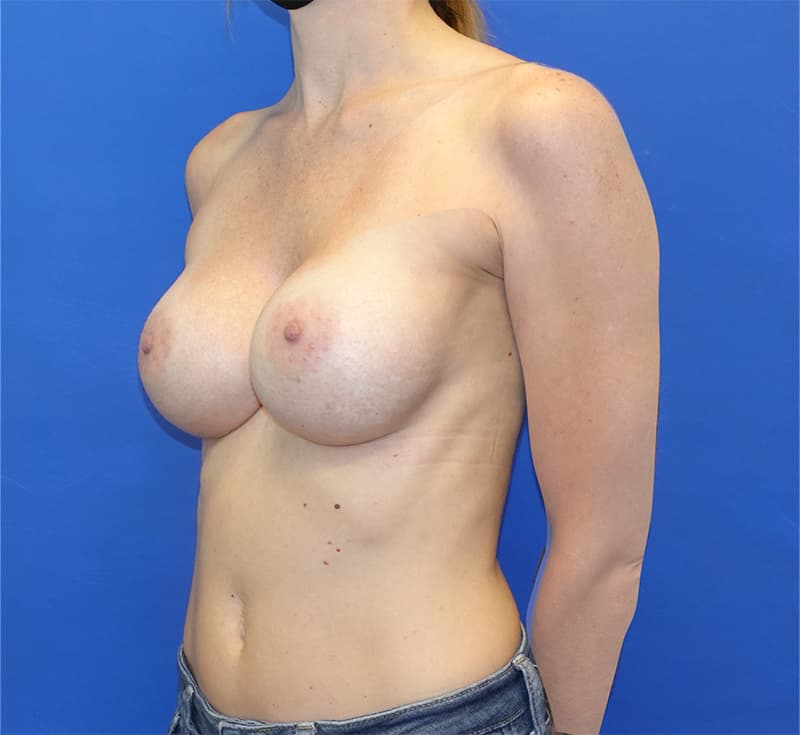
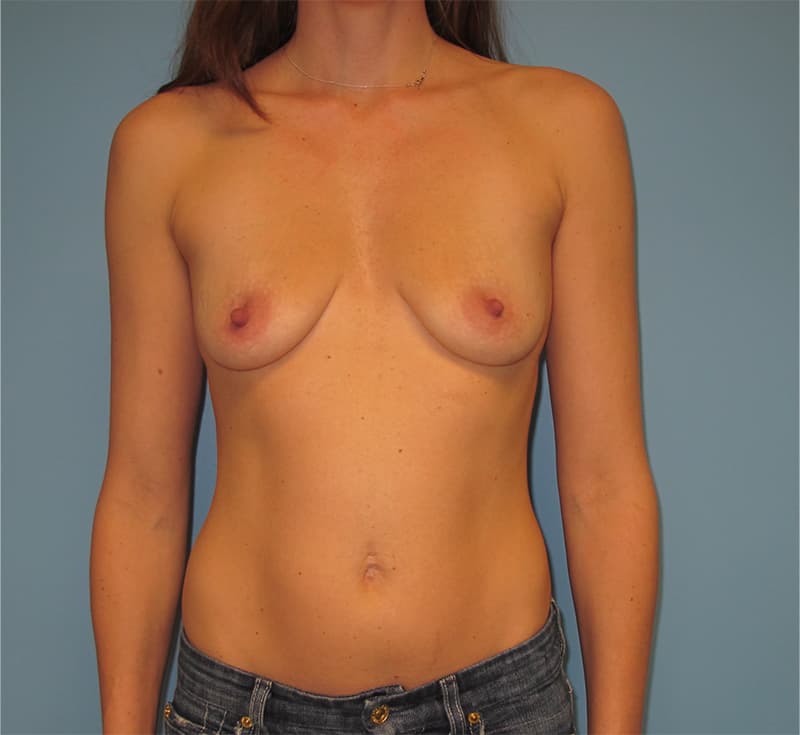
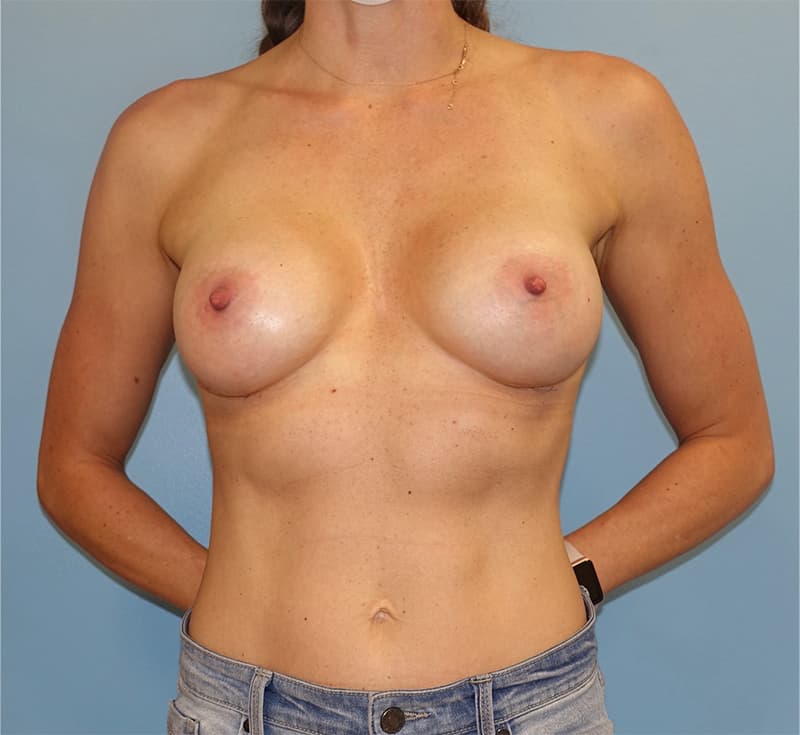
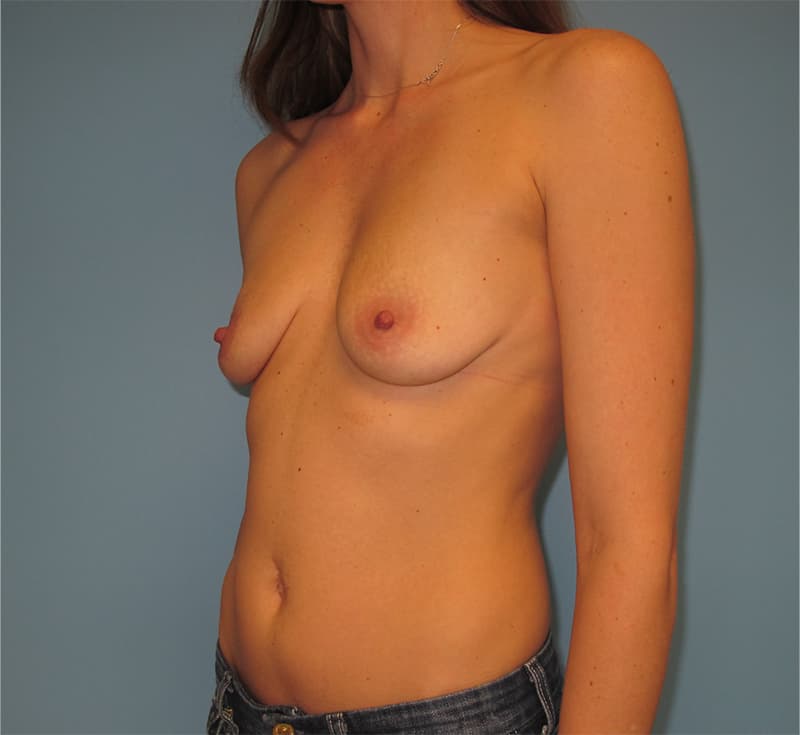
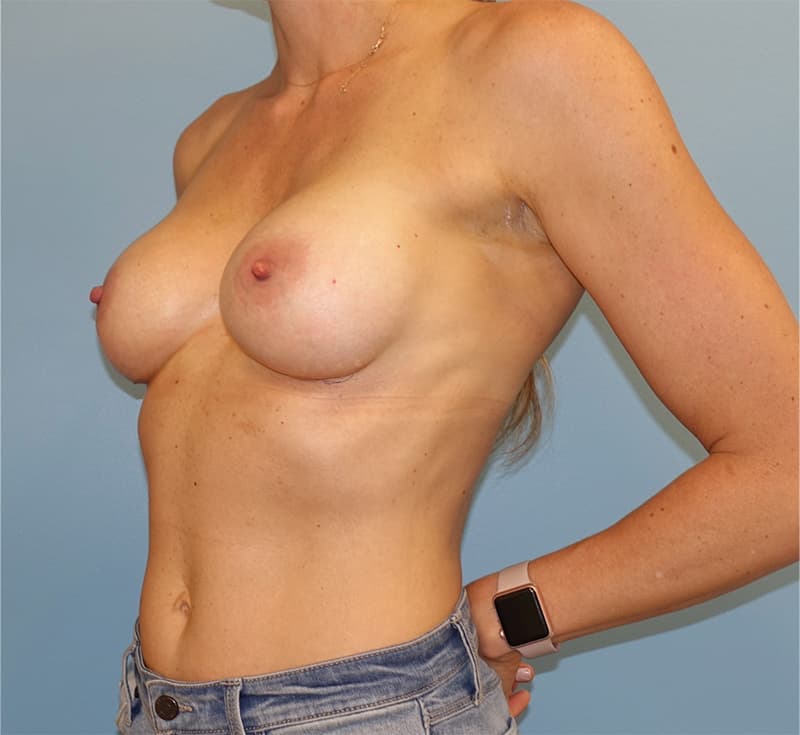
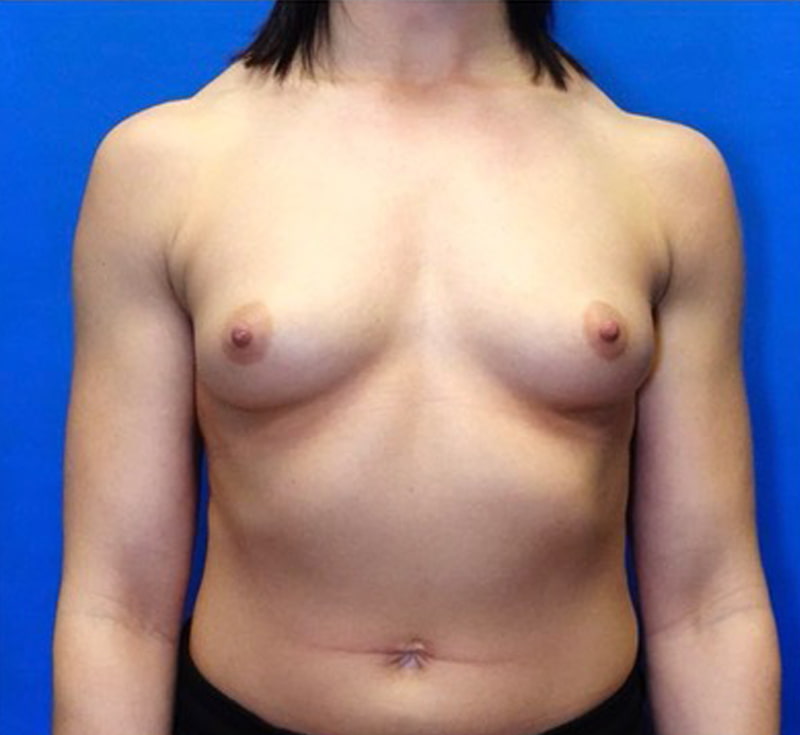
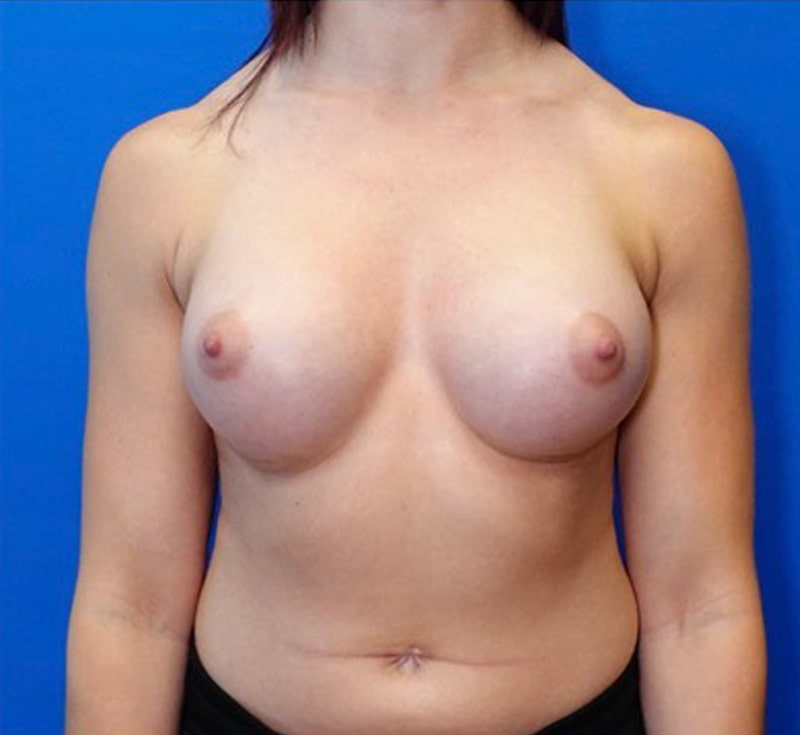
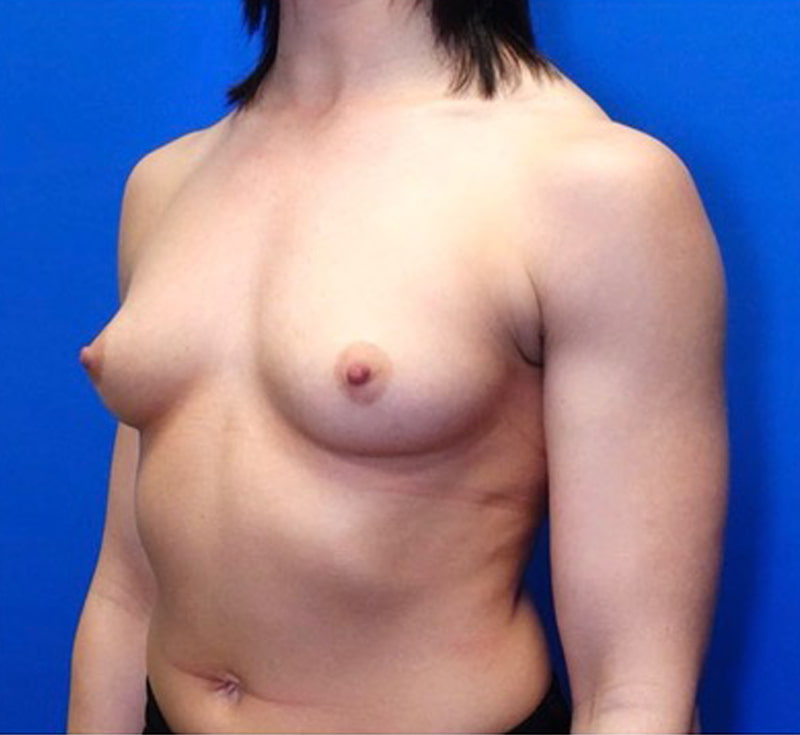
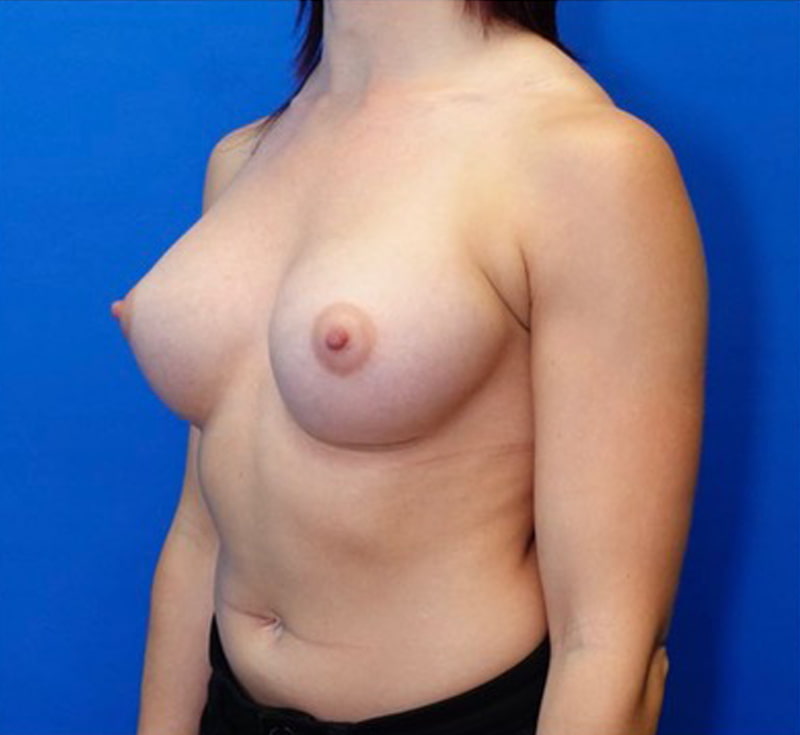
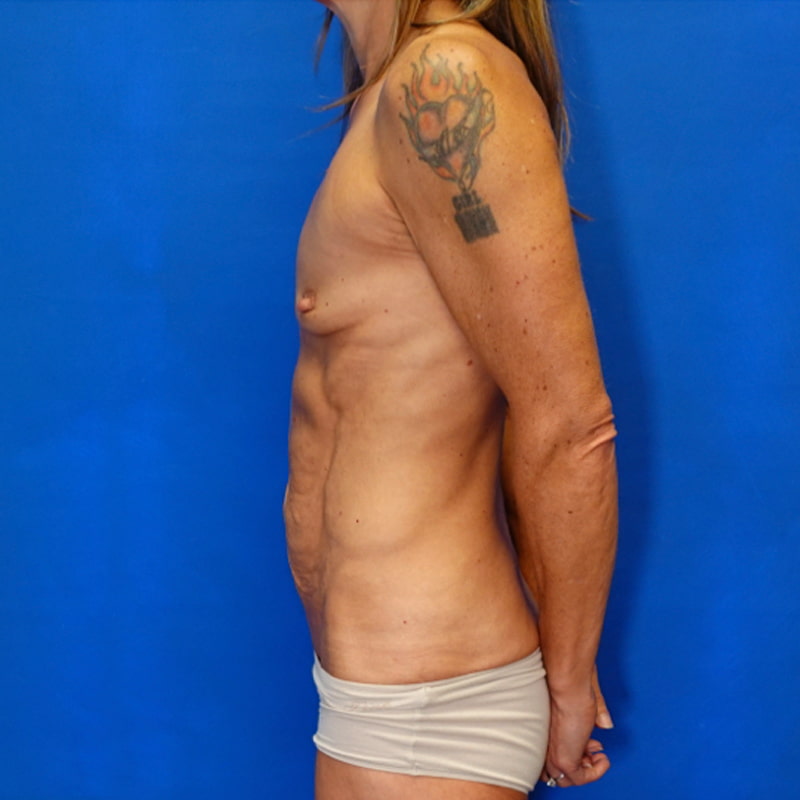
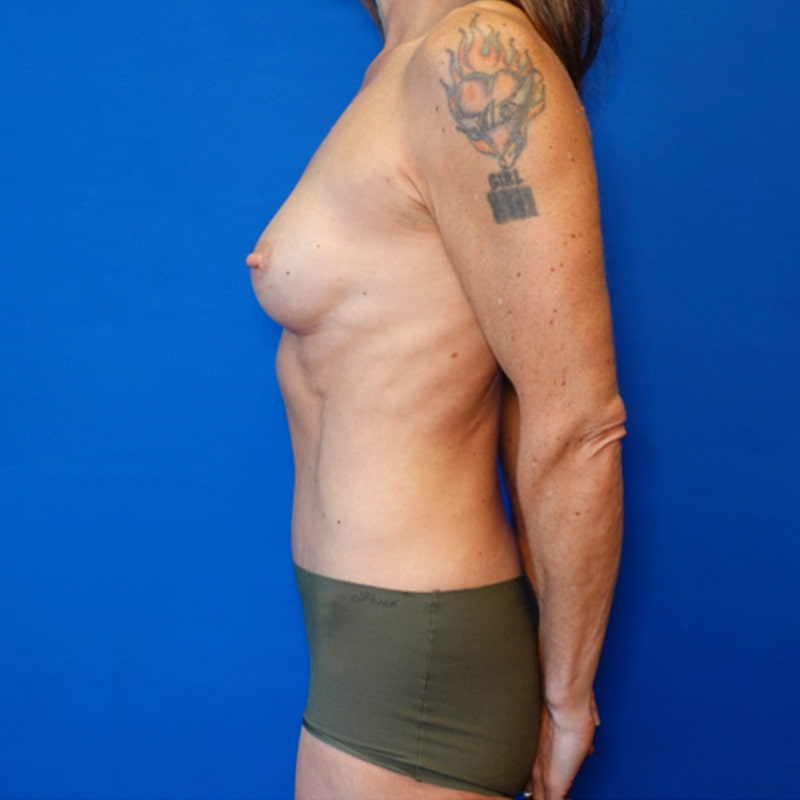
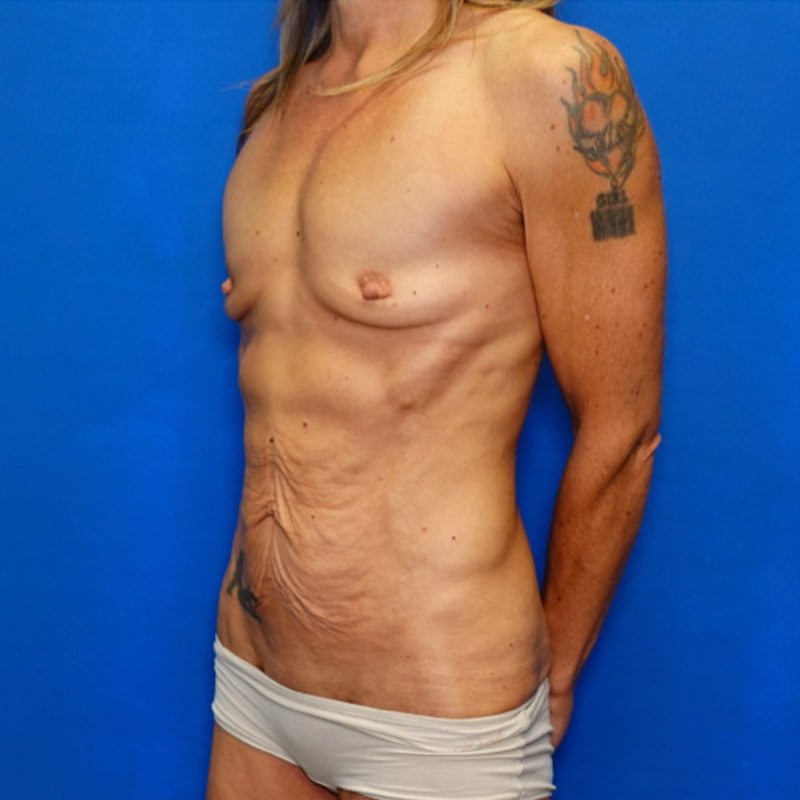
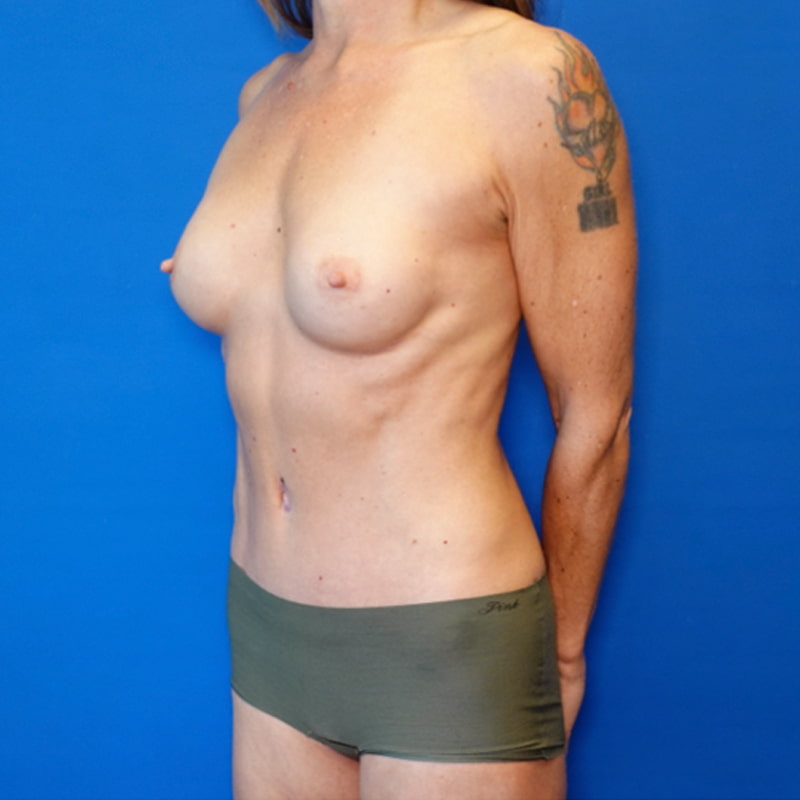
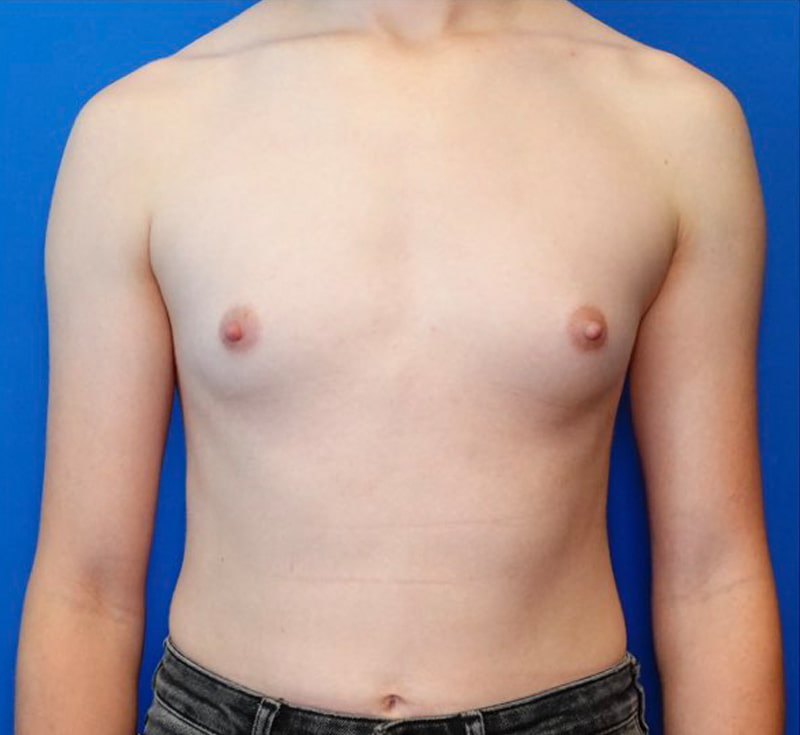
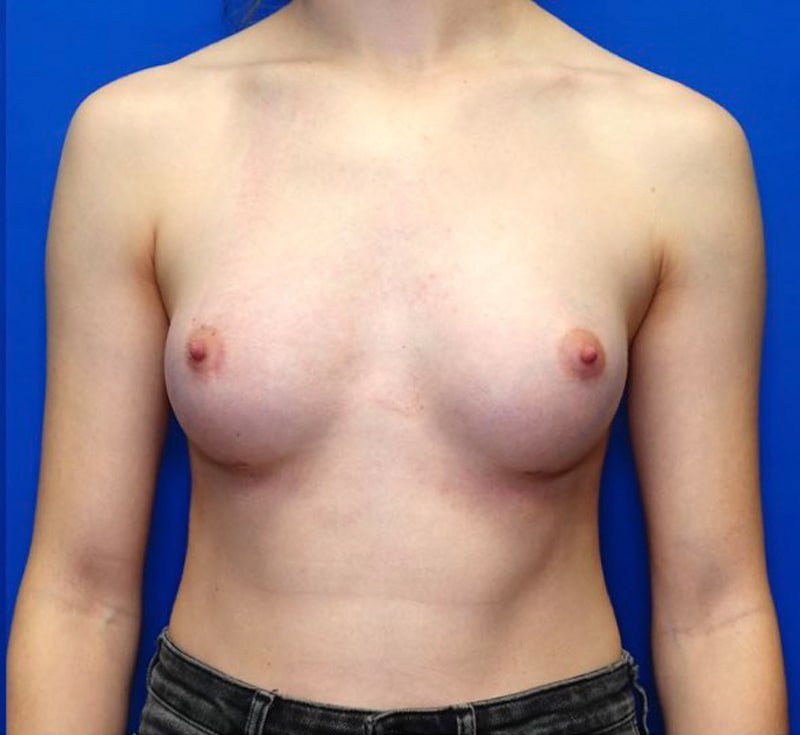
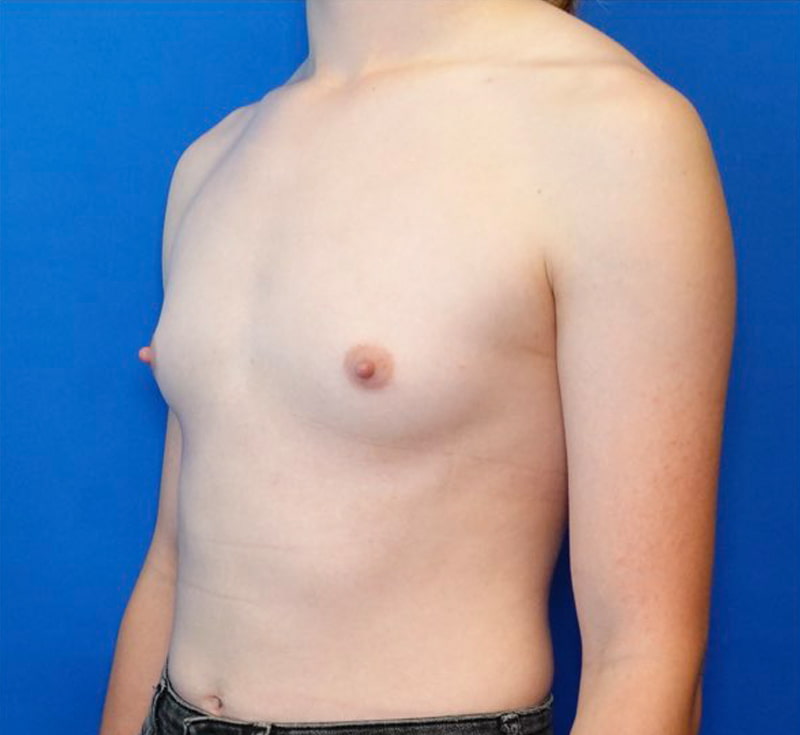
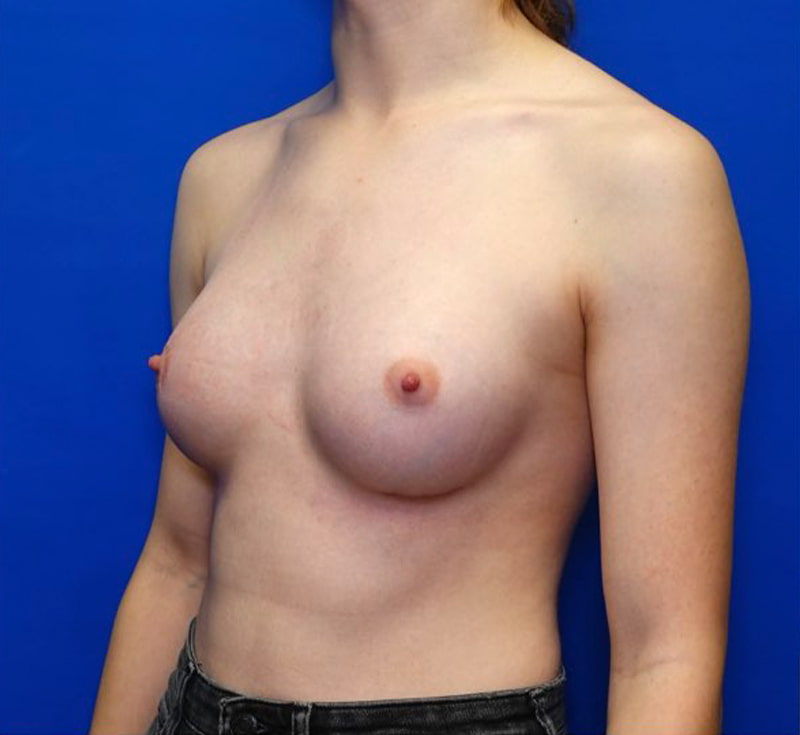
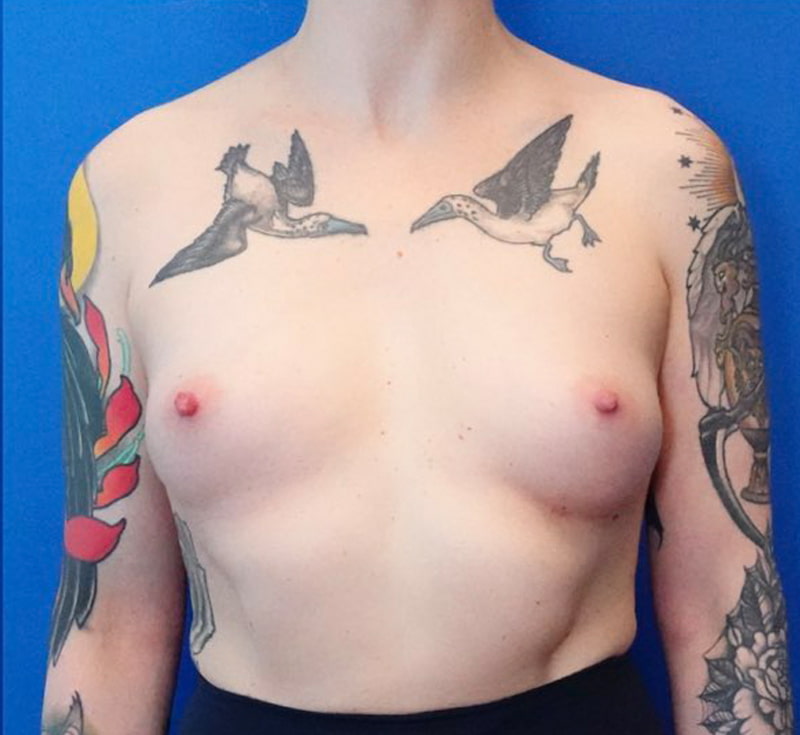
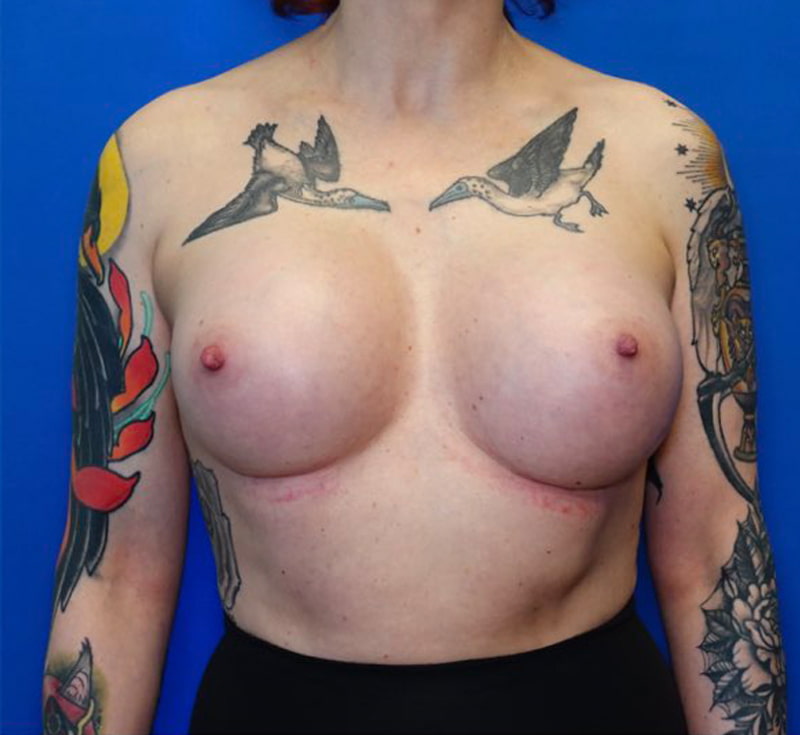
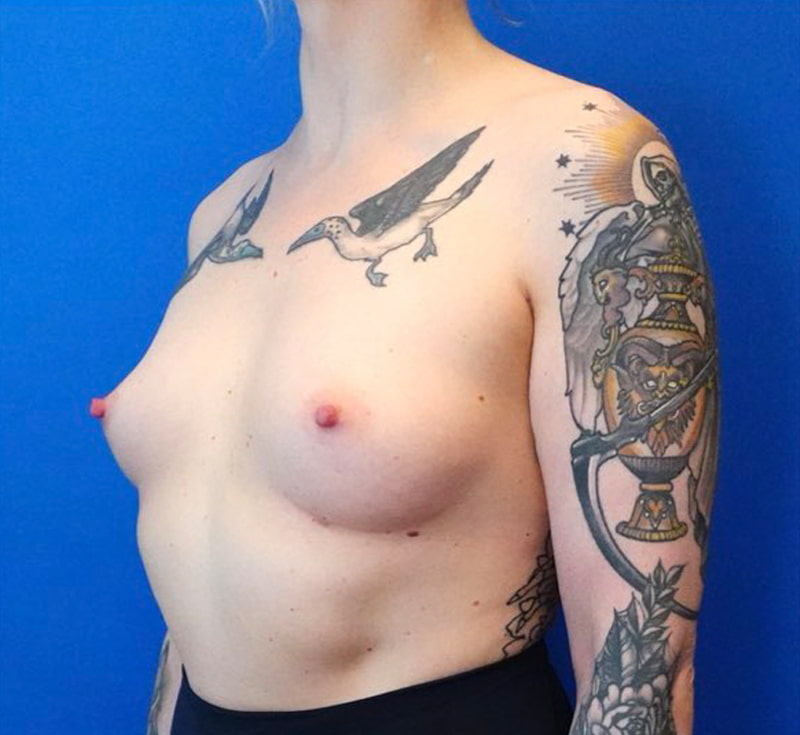
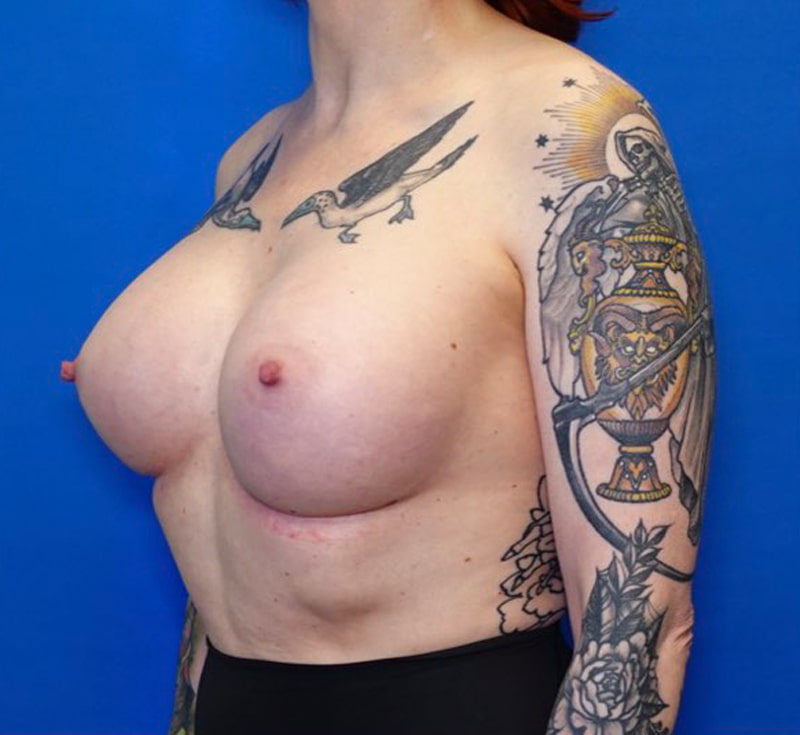
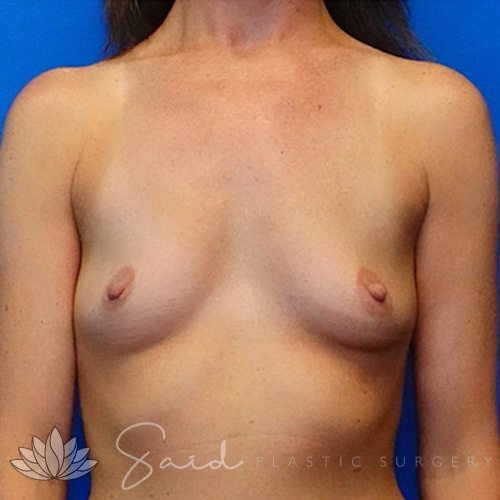
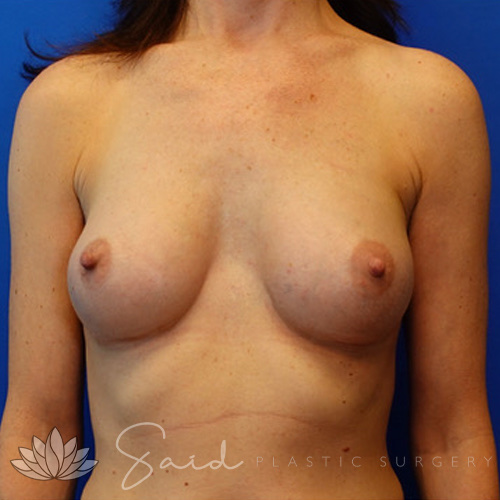
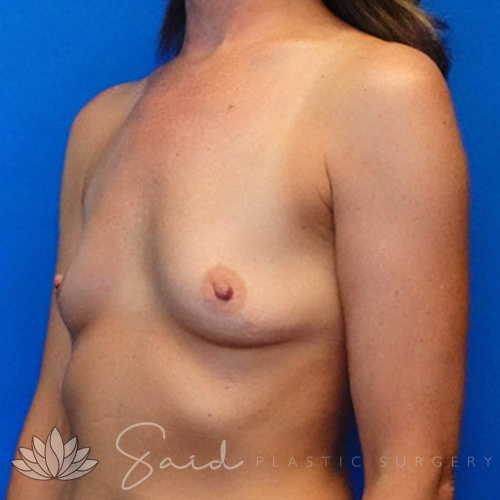
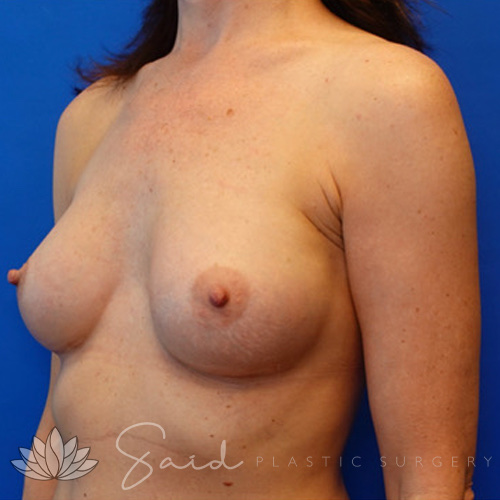
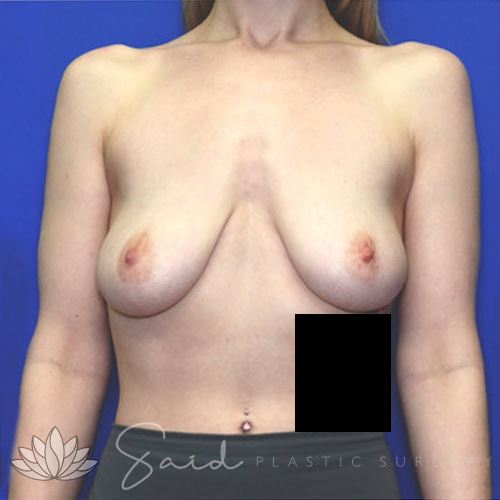
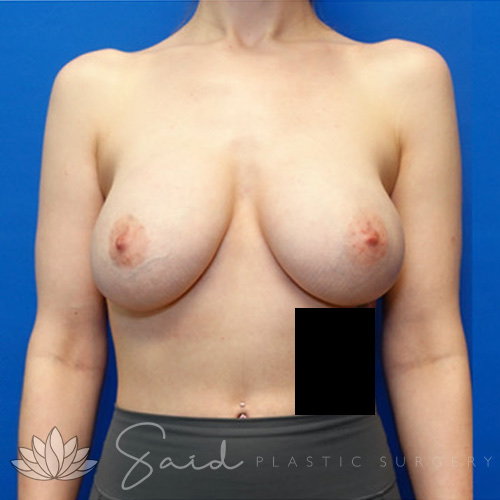
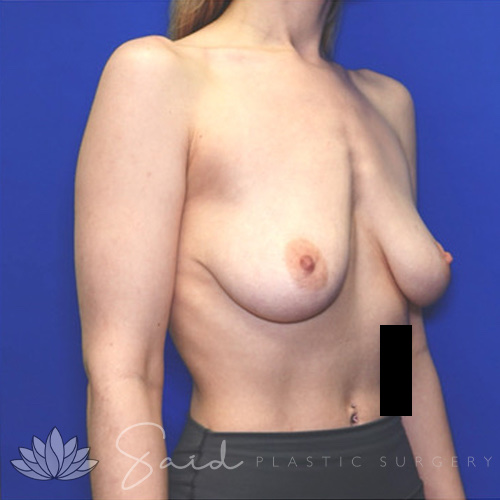
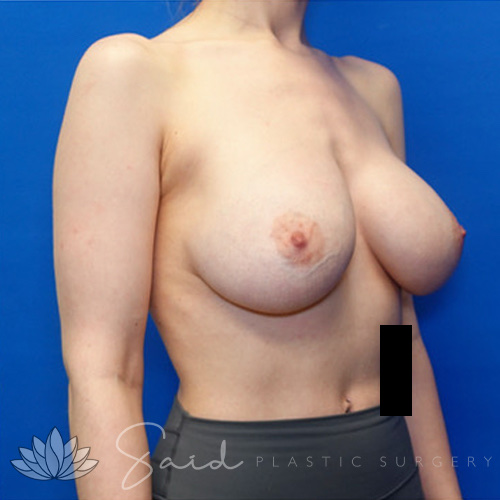
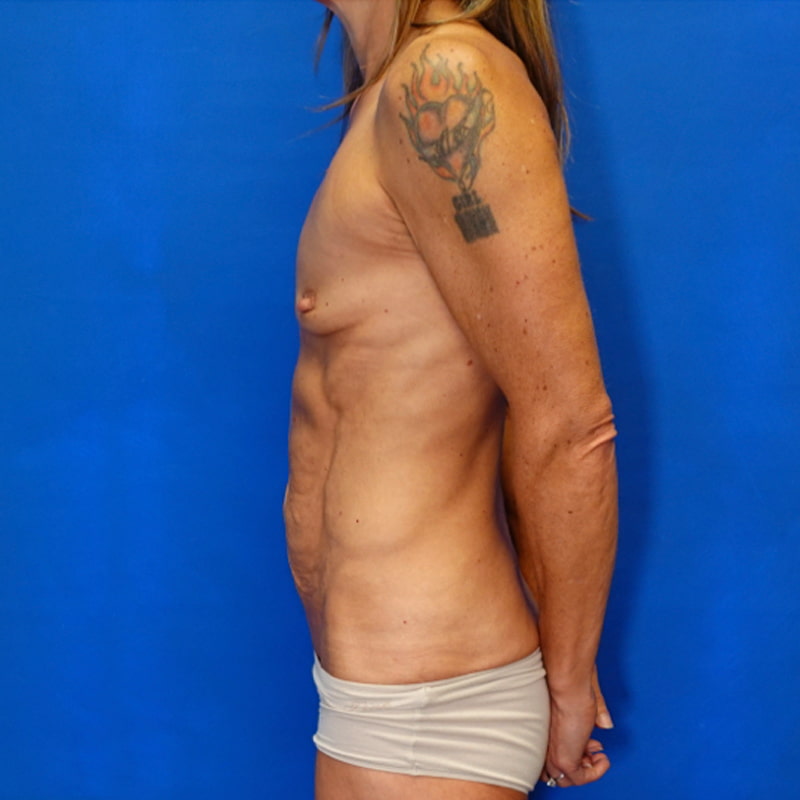
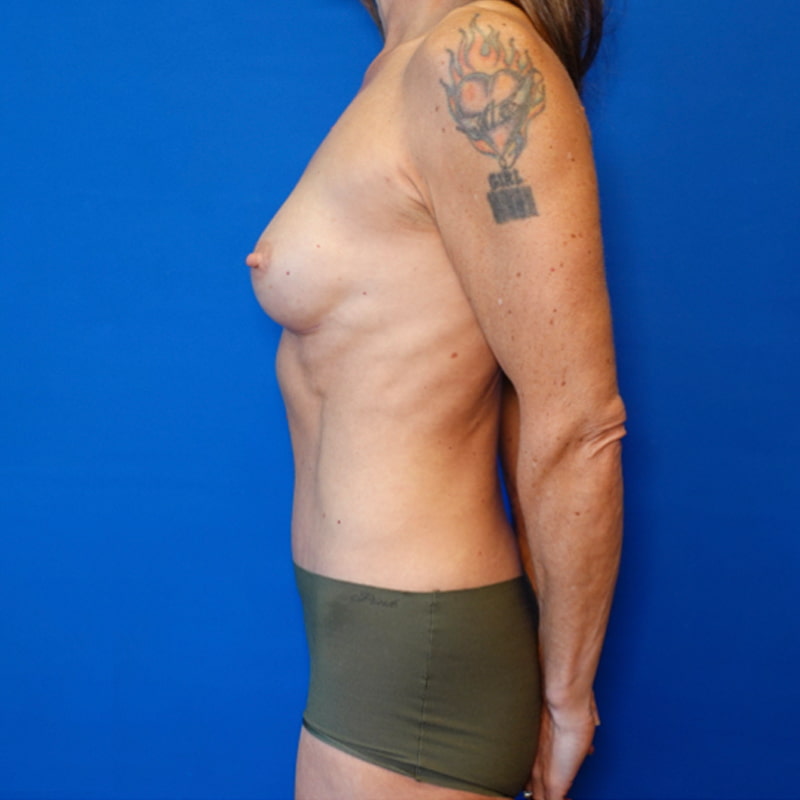
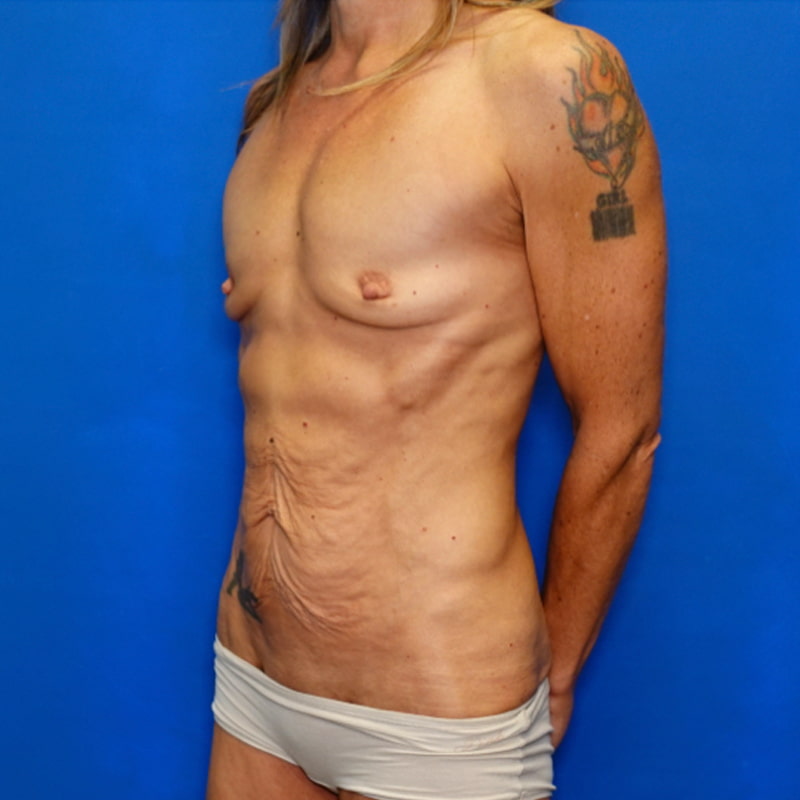
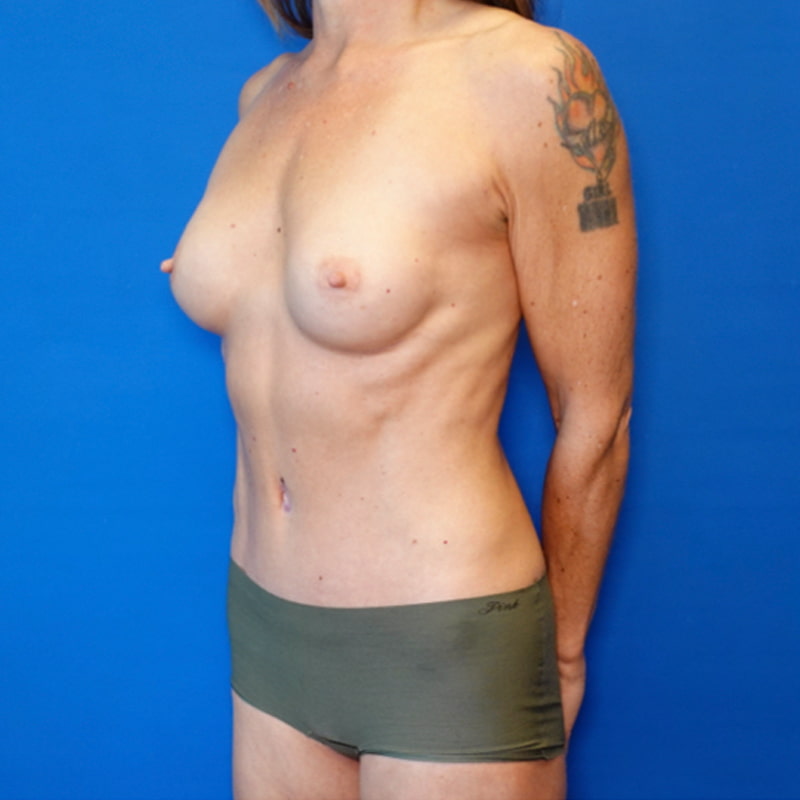
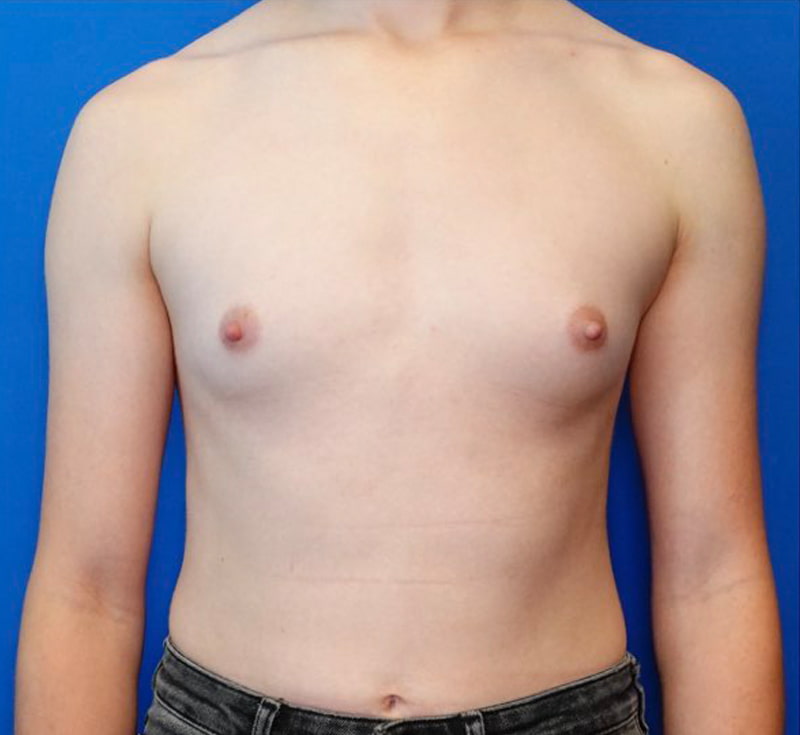
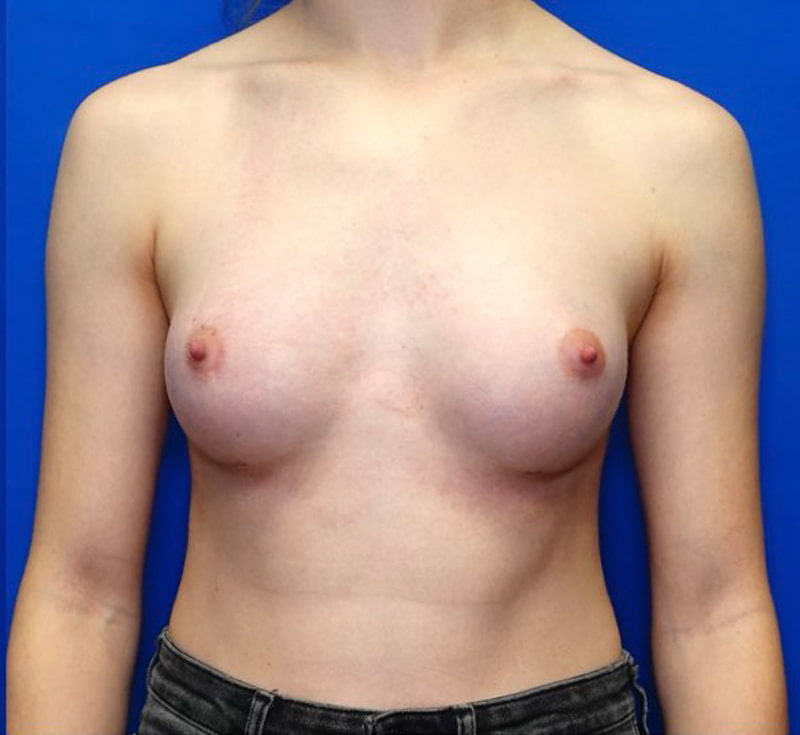
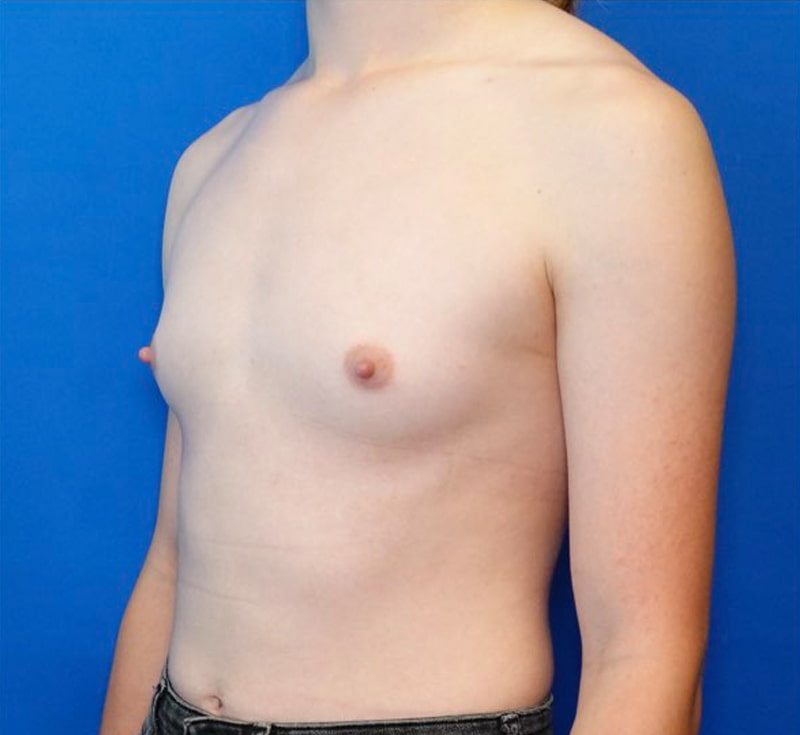
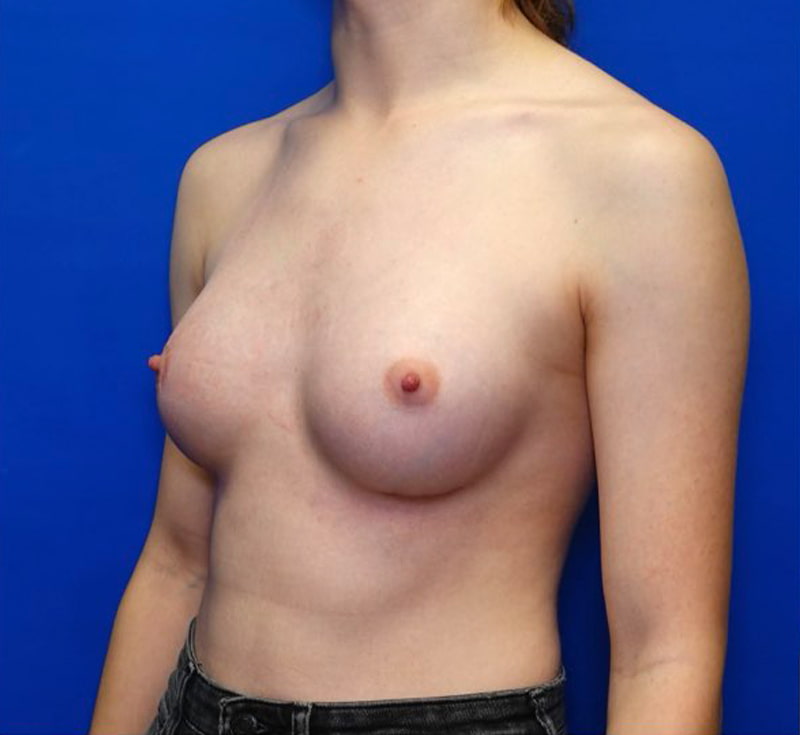
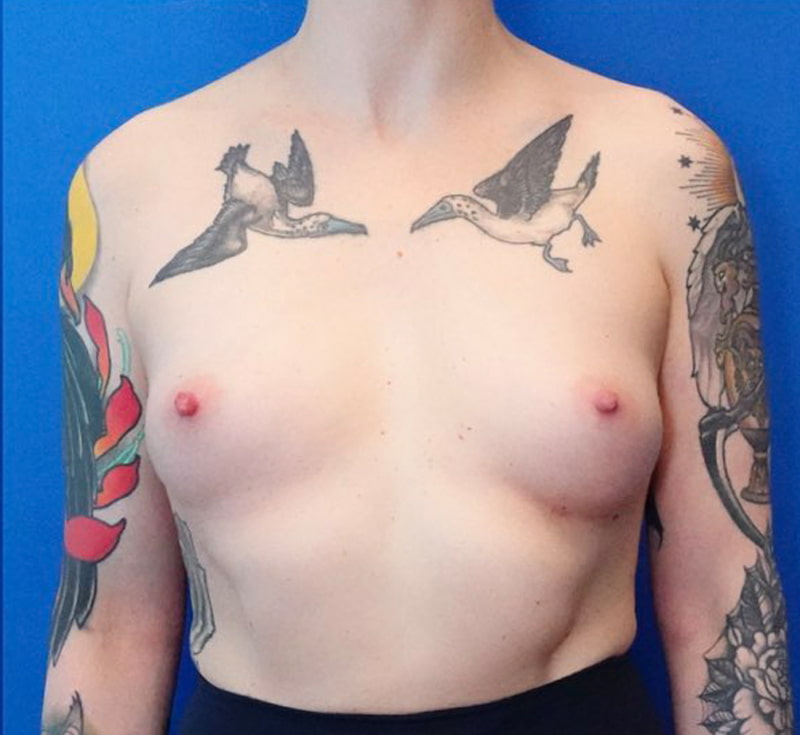
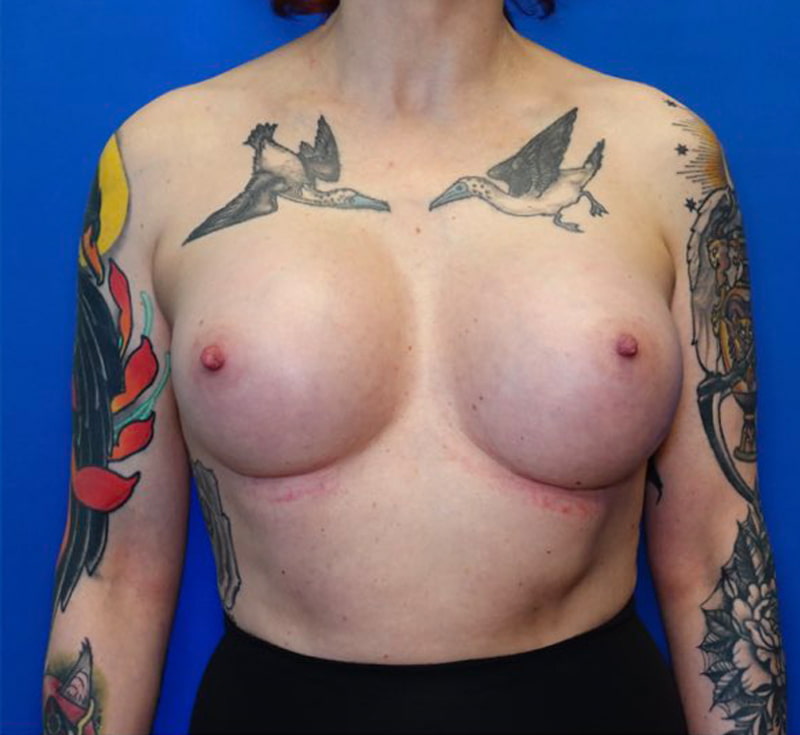
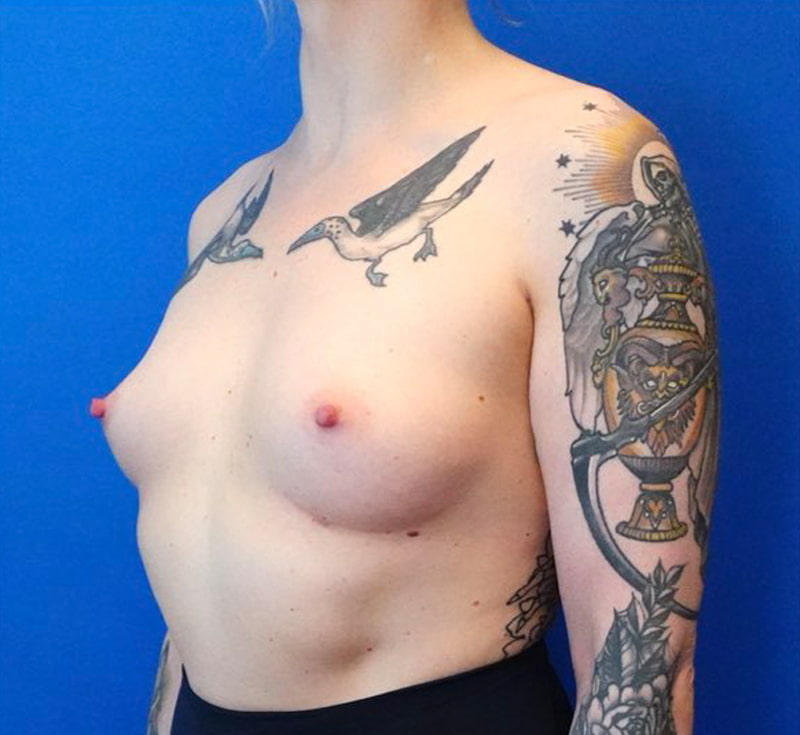
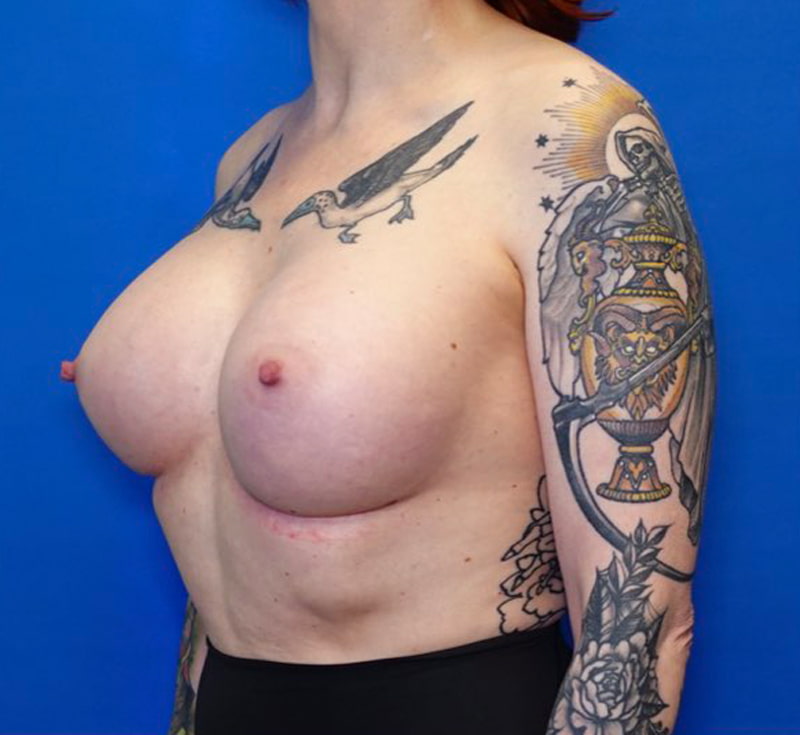
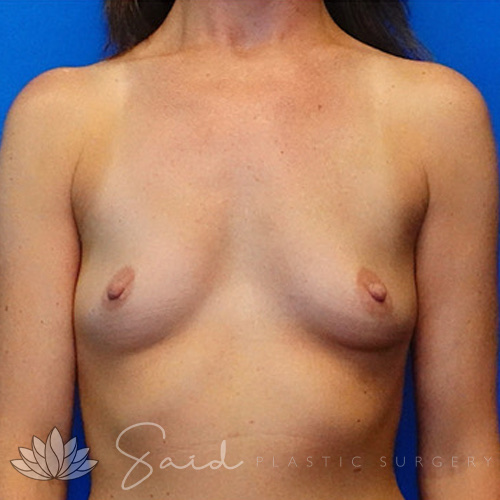
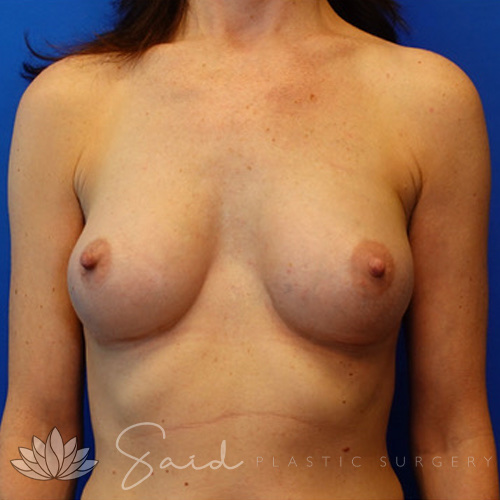
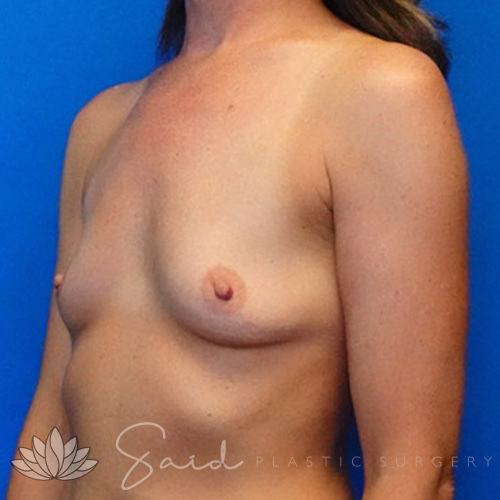
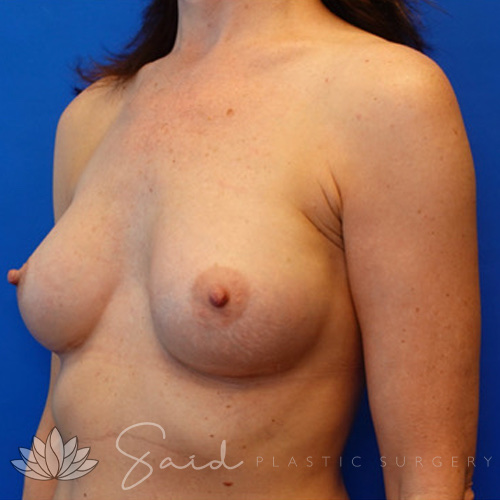
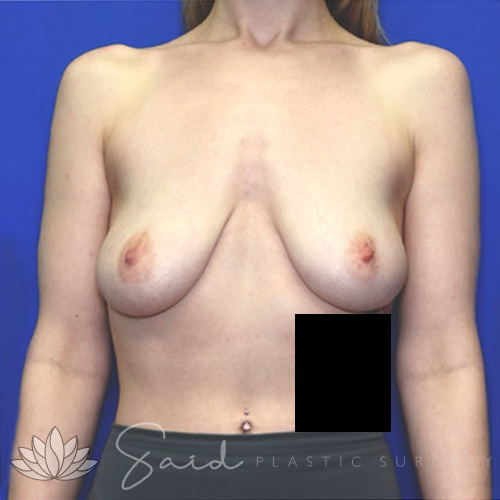
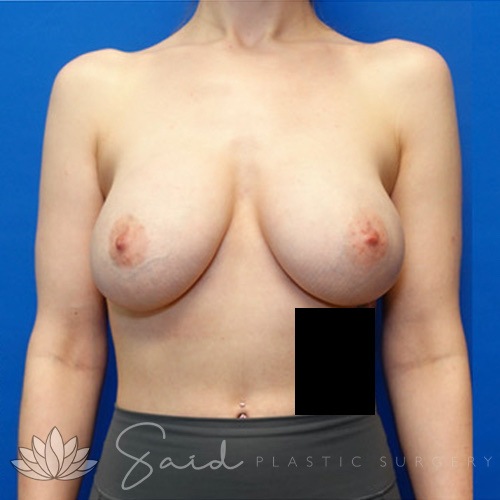
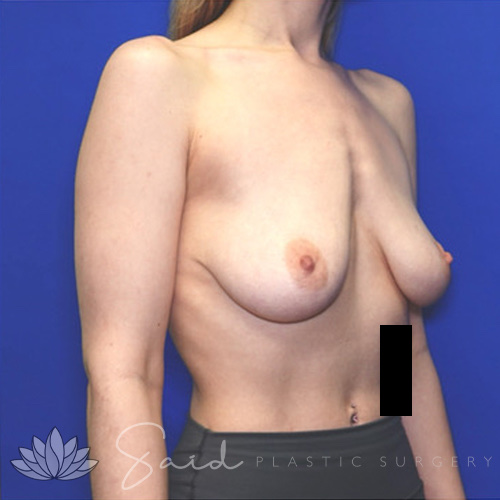
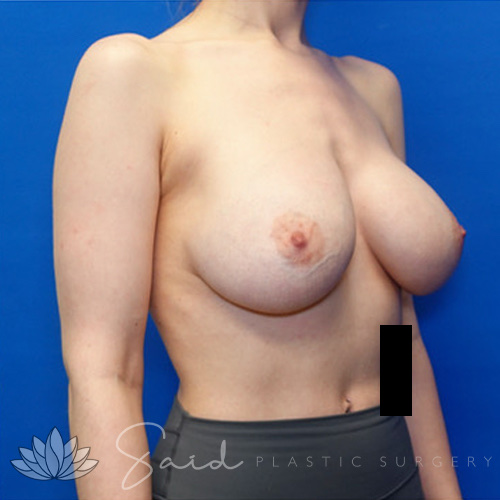
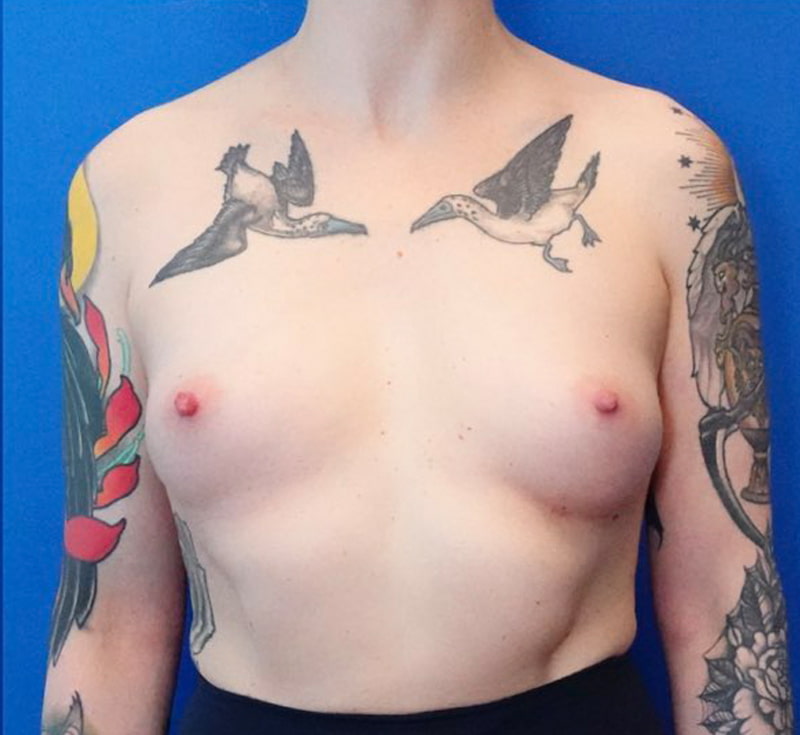
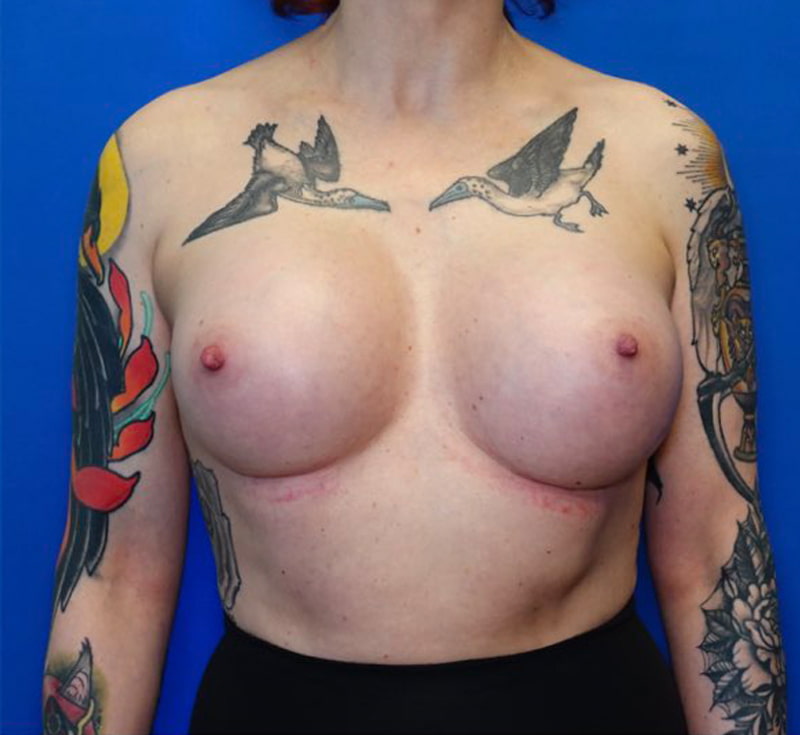
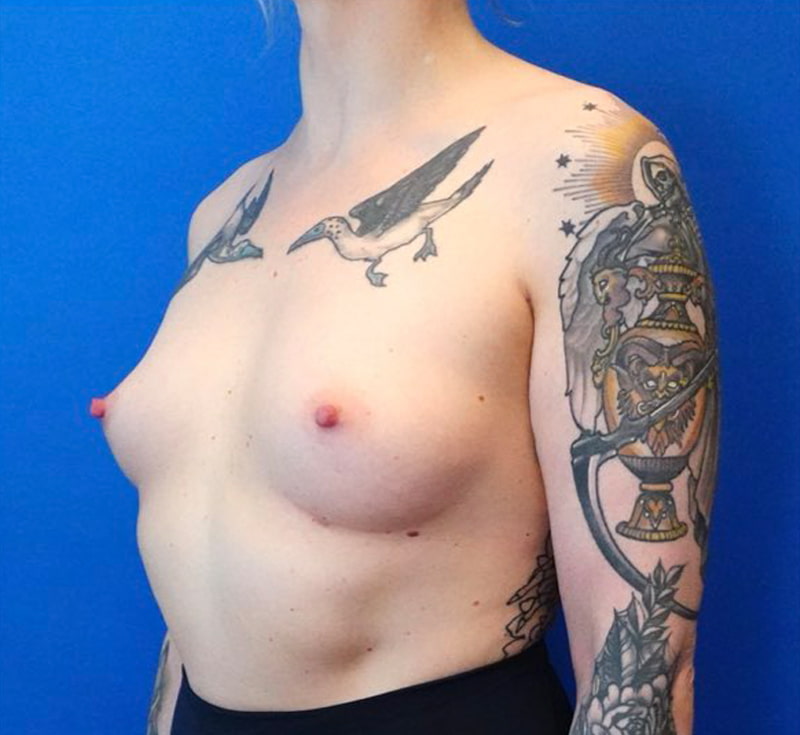
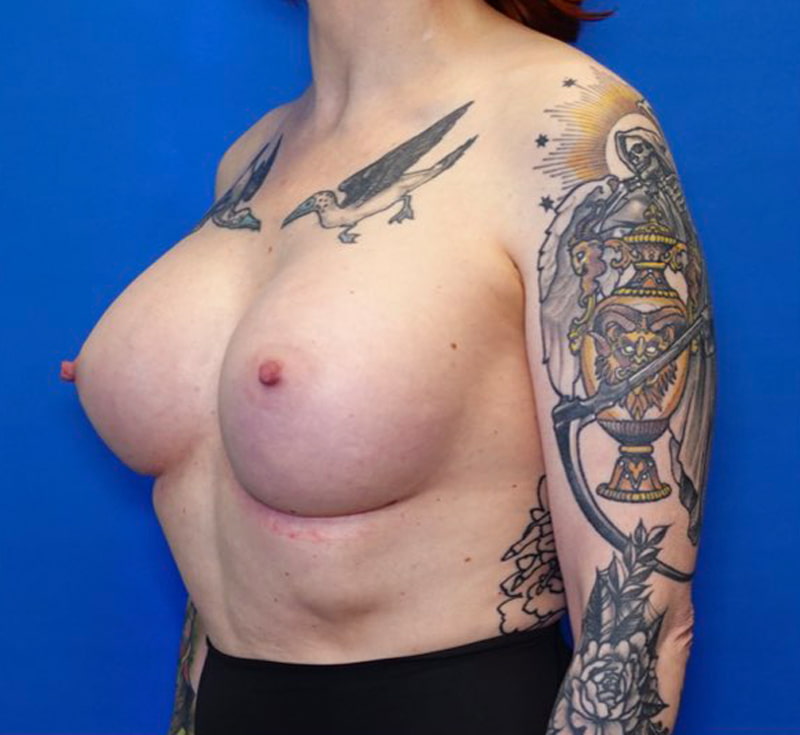
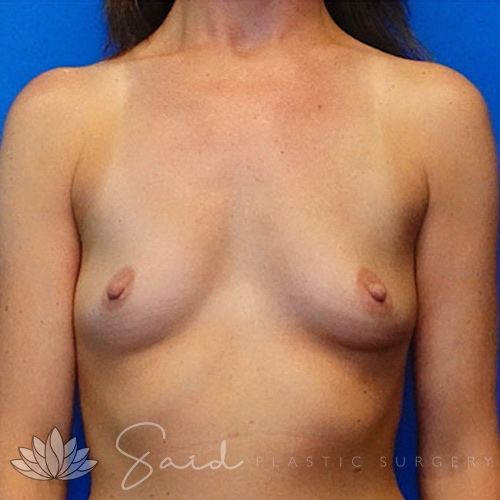
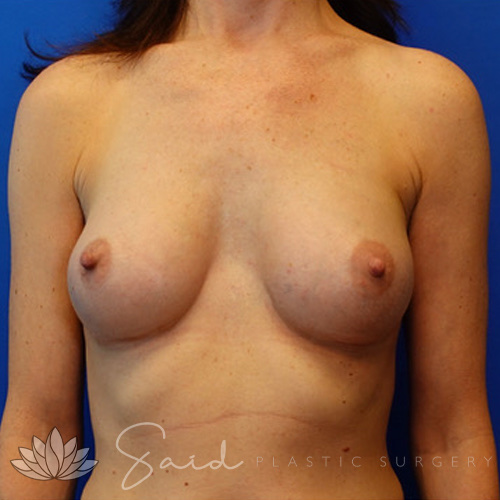
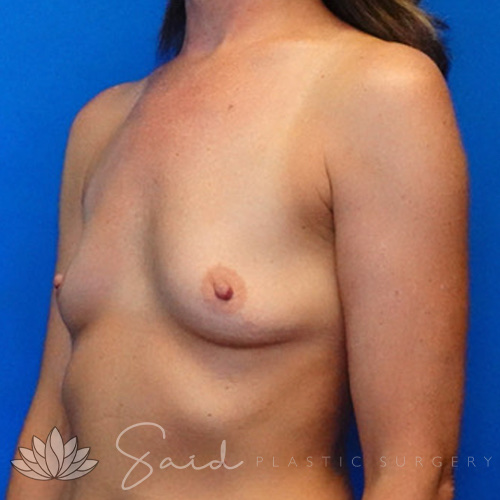
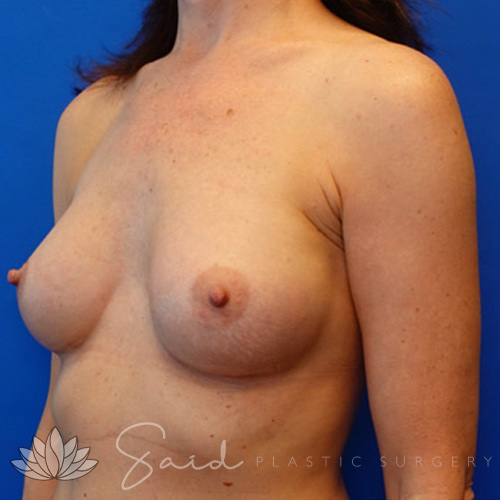
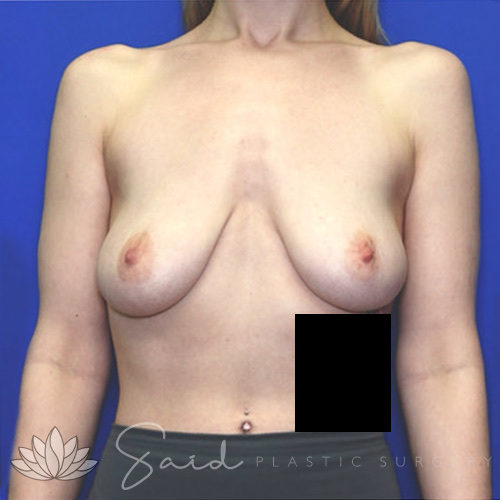
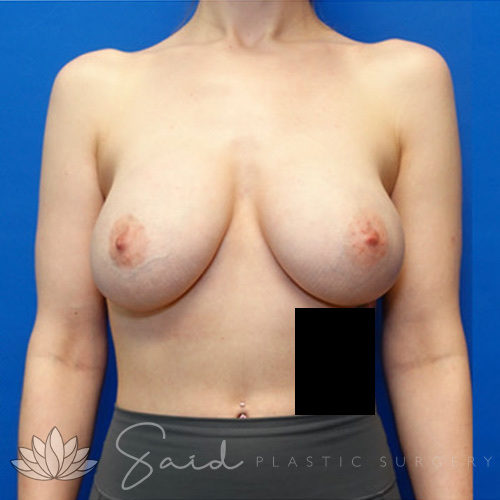
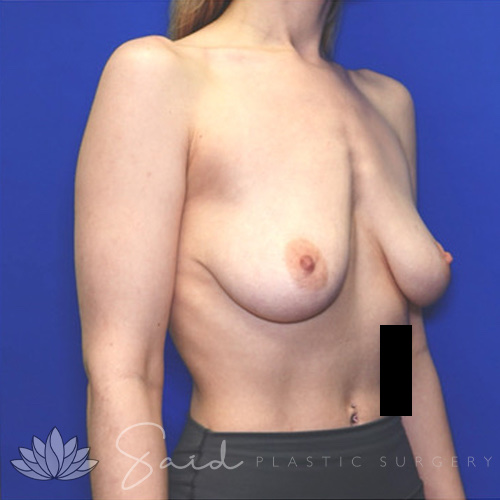
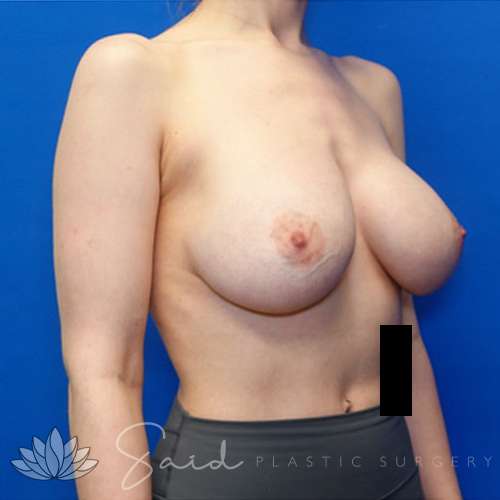
Dr. Said has an extensive breast augmentation before-and-after gallery you can review in clinic, and it can be a useful way to start figuring out what you like. Pay as much attention to the before photos as you do to the after photos. Look for people with a chest and breast shape similar to yours, then notice what you like about their proportions. You might be drawn to the amount of projection, the overall shape, or the fullness in the upper breast.
These photos help you describe what you want, but they don’t guarantee that the same implant will give you the same result.
 Swipe To Next
When Dr. Hakim Said plans breast augmentation in Seattle, he starts by focusing on you, not just a cc number. He uses a three phase approach for figuring out the right sizes for you.
If you’re getting ready for a breast augmentation consultation, you don’t need to know exactly which implant you want. Dr. Said has a proven process for helping you find a happy size. Bring photos you like, explain what you like about them, and talk about what would feel too small or too full. During this process, you will find there are multiple good sizes for you, each with slightly different looks and consequences. One size might work better for running, but look more modest. Narrowing down to the size that works best with your lifestyle and priorities is the key to a happy result. Dr. Said will be happy to answer your questions with a breadth of knowledge and decades of experience. No question is too small, and it’s important that you feel good about your decision.
A few good questions are:
Remember, you are not trying to match someone else’s cc number. Instead, you’re choosing from multiple good options that fit your body, and picking the one that comes closest to the size and shape you want. If you need more help deciding, Dr. Said would be happy to see you in consultation, and offer guidance on your journey toward breasts you feel good about.
Got a question? CALL (206) 467-1101
or use this online form